
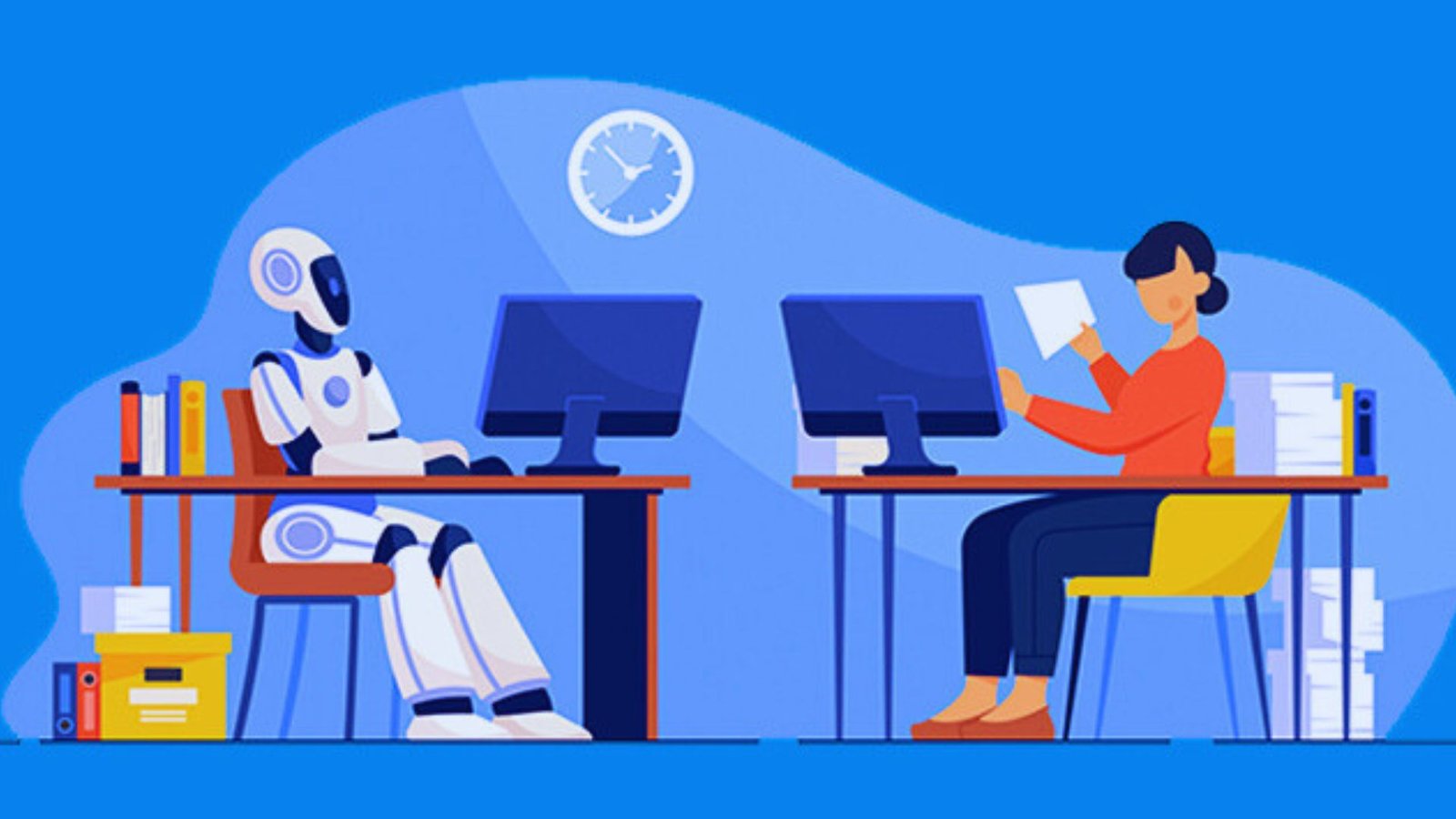
I’ve spent years watching technology grow fast. Robots, AI, automation – it feels like machines are taking over everything.
But here’s what I’ve learned: why technology cannot replace humans roartechmental is a question worth taking seriously. In this blog, I’ll cover emotional intelligence, creativity, ethics, and real-life problem-solving.
You’ll also find practical tips to balance tech and human strengths. I’ll help you understand exactly why humans still hold the edge and always will.
With over a decade of research in this space, trust me when I say this: no machine can replace what you bring to the table.
The Unique Value of Humans
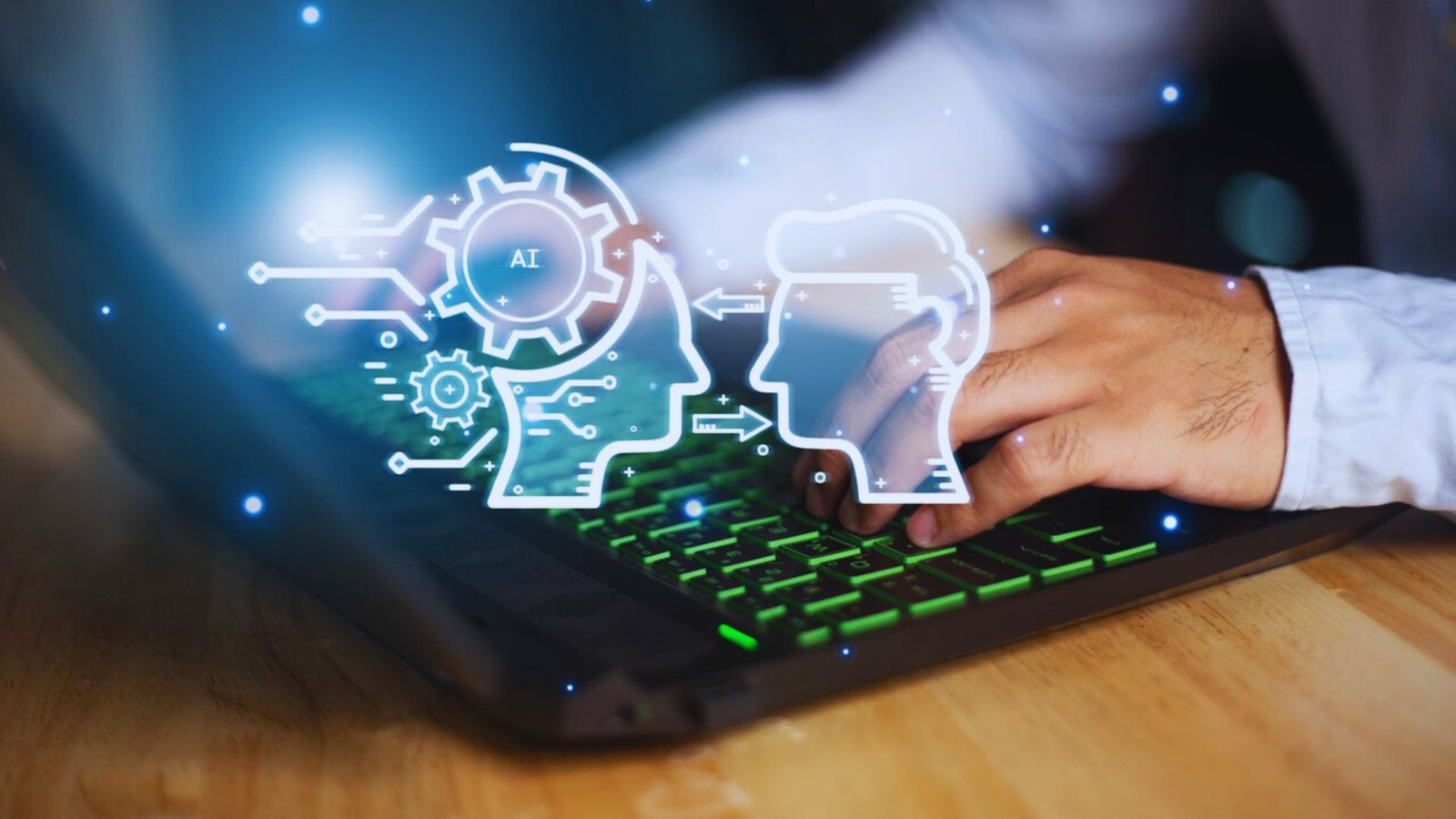
Think about the people who shaped your life. A teacher who believed in you. A friend who stayed when things got hard. A parent who knew exactly what you needed without being told.
None of that came from a machine. Humans bring something machines simply cannot copy consciousness, empathy, and lived experience.
Machines follow instructions. They process data and run programs. But they do not feel. They do not care. They cannot look at a person and truly understand what that person is going through on a deeper level. Humans carry three things no machine can replicate.
First, consciousness, which is the ability to be aware of yourself and your surroundings. Second, emotional depth, which is the capacity to feel and respond to others.
Third, creative thinking, which is the power to imagine what does not yet exist. These qualities are what make humans irreplaceable in work, relationships, and everyday life. Technology is growing fast, but it still cannot touch what makes us human.
Emotional Intelligence and Human Connection
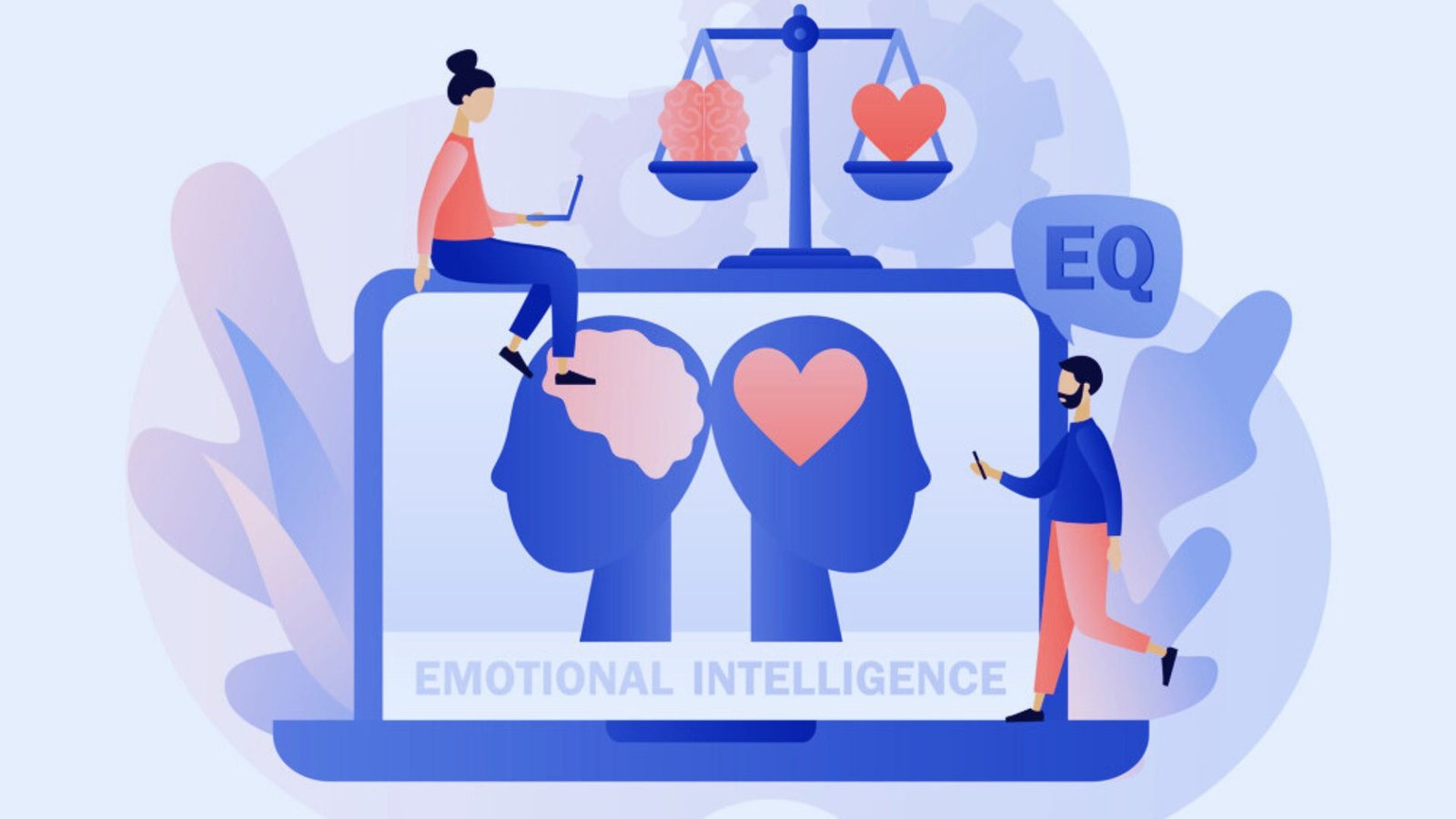
This section covers how humans feel, connect, and build trust in ways no AI can match.
Understanding Emotions
AI can detect patterns in data. It can identify that someone used sad words in a text or that their voice sounds stressed. But detecting a pattern is not the same as understanding a feeling.
In healthcare, a nurse who holds a patient’s hand during a scary moment is doing something no machine can do. That small gesture says, “I see you. I’m here.” An AI cannot mean that.
In the workplace, a manager who picks up on team tension and adjusts their approach is using emotional skill. They read the room. They respond with care. That kind of awareness shapes team culture and morale in ways that no software can.
Building Trust and Relationships
Trust is built over time through actions, honesty, and consistency. Humans do this naturally. We mentor each other. We support friends through hard times. We build communities around shared values.
A chatbot can answer questions. But it cannot be your mentor. It cannot check in on you after a hard day. It cannot celebrate your wins like someone who truly knows you. Genuine relationships are built by humans for humans. That will not change.
Creativity and Original Thinking
Humans imagine, invent, and create in ways that go far beyond what AI can produce.
Innovation Through Experience
Every great invention started as an idea in a human mind. The wheel, the airplane, the internet none of these came from a machine running a program. They came from people who looked at the world and asked, “What if it could work differently?”
Humans draw from personal experience, failure, curiosity, and emotion. A designer who grew up in a small town brings a different perspective than one who grew up in a city. That lived experience shapes everything they create.
AI can generate content, but it pulls from existing data. It remixes what already exists. It does not know what it feels like to lose something, to hope for something, or to fight for something. That gap matters.
Art, Music, and Expression
A song that makes you cry. A painting that stops you in your tracks. A poem that says exactly what you could never put into words. These things move people because a human being poured something real into them.
AI can write a song that sounds technically correct. But it does not come from pain, love, or personal truth. The result may look similar, but it does not hit the same way. Art is an act of human communication. It says, “This is what it feels like to be me.” Machines have no “me” to share.
Ethics, Morals, and Decision-Making
Humans carry the responsibility of making choices that affect real lives – machines cannot carry that weight.
Making Difficult Choices
Some decisions are not about finding the right answer. They are about choosing between two hard options. Should a doctor share difficult news gently or directly? Should a leader protect one person’s privacy or warn a group about a risk?
These choices involve values. They involve weighing what matters most in a specific moment, for specific people, with real consequences. Humans carry the moral weight of those moments.
Machines do not. AI can suggest an option based on data. But it cannot feel the gravity of the decision. It does not understand what it means to get it wrong.
Responsibility and Accountability
When something goes wrong, someone has to take responsibility. A human can own a mistake, feel regret, and work to make it right. That process of accountability is part of what makes organizations and relationships function.
A machine cannot apologize and mean it. It cannot carry guilt or learn from failure in the way a human does. Responsibility requires a conscience. Machines do not have one.
Adaptability and Problem-Solving
When things go sideways, humans find a way – through improvisation, instinct, and experience.
Everyday Flexibility
Life does not follow a script. A parent managing a sick child, a dinner that burns, and a work call all at the same time has to think fast and pivot. A teacher whose lesson plan falls flat mid-class has to find another way to reach their students on the spot.
This kind of real-time flexibility is something humans do naturally. We improvise. We adjust. We pull from past experiences and apply them in new situations. AI needs training data.
It needs clear inputs and outputs. When the unexpected happens when the context shifts completely machines struggle. Humans adapt.
Intuition and Learning
Humans often know something is wrong before they can explain why. A parent senses when their child is upset. A doctor notices something small that does not add up. A leader feels tension in the room before anyone speaks.
That gut instinct comes from years of lived experience, pattern recognition built through emotion, and an awareness that goes beyond data. AI learns from large datasets.
But it does not have a gut. It does not feel. It misses nuance, tone, and context in ways that can matter a lot.
Tips for Balancing Technology and Human Strengths
Smart use of technology means knowing what it is good at and what it is not. Here are a few simple ways to find that balance
- Use technology for repetitive tasks like data entry, scheduling, and sorting so you can focus on work that needs a human touch.
- Practice listening and paying attention to how people feel, not just what they say, to build stronger emotional intelligence.
- Think about the values behind your decisions and ask yourself who is affected and how.
- Let humans and machines work together by using AI for data insights while humans make the final call.
- Stay connected to mentors, colleagues, and communities because people teach things no algorithm can.
- Keep learning new skills that machines cannot copy, like leadership, critical thinking, and creativity.
- Never rely on technology alone. Always bring your own judgment, care, and awareness to every situation.
Conclusion
I believe technology is one of the best tools we have. I use it every day.
But after everything I’ve seen and learned, I keep coming back to the same truth: why technology cannot replace humans roartechmental is not just a question it is a reminder. It reminds us to stay human.
To lead with empathy. To keep creating, connecting, and taking responsibility. Technology works best when people guide it with wisdom.
So use it well, but never forget what you bring to the table. Drop a comment below I’d love to hear your thoughts.
Frequently Asked Questions
Can AI ever fully replace human workers?
AI can handle specific tasks, but it cannot replace human skills like empathy and creative thinking. Most industries still need humans to lead and make responsible decisions.
Why is emotional intelligence important in the workplace?
Emotional intelligence helps people communicate and resolve conflict in ways data and logic cannot. It builds trust and creates healthier work environments.
How is human creativity different from AI-generated content?
Human creativity comes from personal experience and genuine emotion. AI only recombines existing data and cannot create from real feelings.
What role do ethics play in human decision-making?
Ethics help humans consider the real impact of their choices on people and communities. Machines do not have the moral awareness to make those judgments.
How can people stay relevant as automation grows?
Focus on skills machines cannot copy, like critical thinking, leadership, and emotional intelligence. Stay curious and keep investing in human connections.