


Backup cameras are now a standard feature in every new car sold in the U.S. But when exactly did that become the law? The short answer: May 1, 2018.
In this post, I cover the full timeline, what the law actually requires, how Canada compares, and why the rule was introduced in the first place.
I also include tips on using your backup camera the right way. I’ve researched the NHTSA regulations so you don’t have to.
By the end, you’ll have a clear answer and know exactly what the law means for you.
When Did Backup Cameras Become Mandatory?

Backup cameras didn’t always come standard. The Federal Motor Vehicle Safety Standard No. 111 made them a legal requirement for all new passenger vehicles in the U.S. starting May 1, 2018.
The rule covered all new light vehicles under 10,000 pounds, including cars, SUVs, trucks, vans, and low-speed vehicles.
Any vehicle manufactured after this date had to include a rearview video system from the factory.
The main goal was straightforward: reduce backover accidents and protect children and elderly pedestrians from serious injury.
When Did Backup Cameras Become Mandatory in the US?
The 2018 date didn’t come out of nowhere. There’s a long legislative history behind it.
The Kids Transportation Safety Act
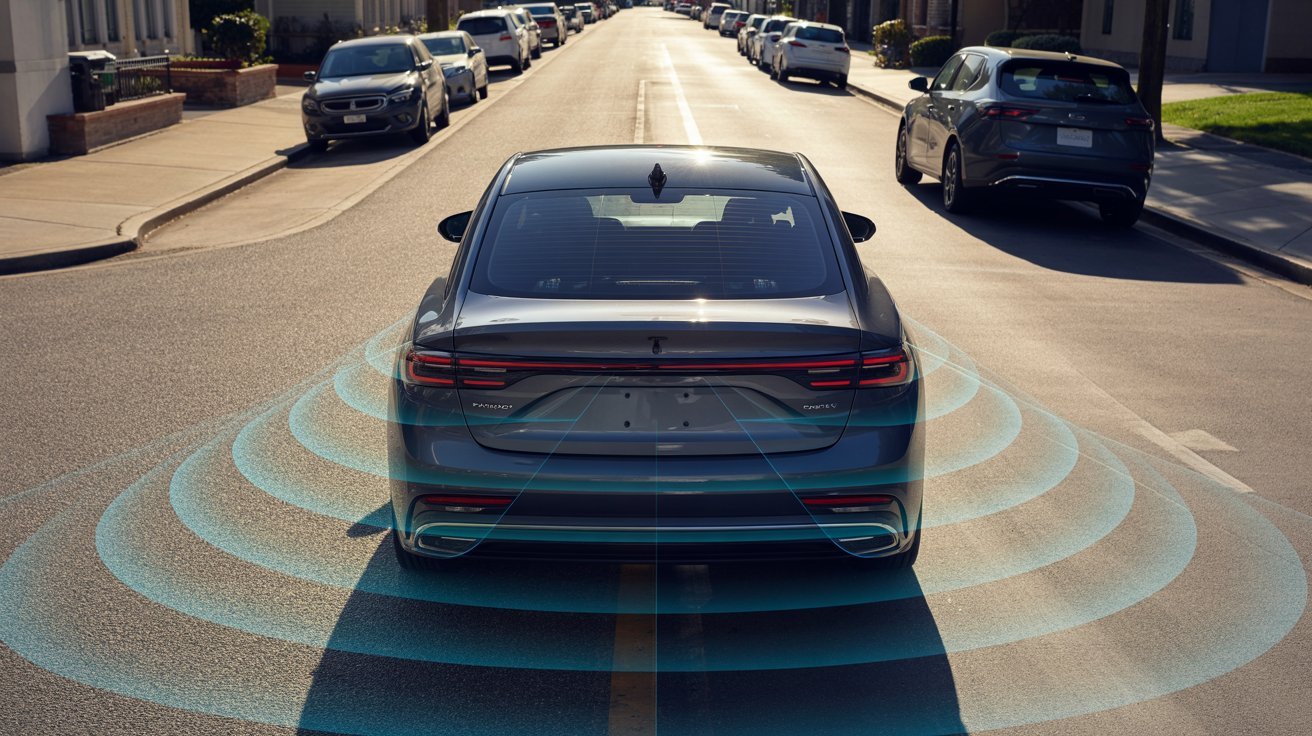
In 2002, a two-year-old named Cameron Gulbransen was killed in a backover accident. That tragedy led to federal action.
The Cameron Gulbransen Kids Transportation Safety Act was signed in 2008, directing NHTSA to create rules improving rear visibility in vehicles.
It gave NHTSA the authority to set the standard but didn’t set a hard deadline.
The NHTSA Final Rule

NHTSA issued its final rule in March 2014. It set the technical specs for rearview video systems, including a minimum field of view of 10 feet behind the vehicle, image size requirements, and camera response time. It also set a phased compliance schedule for manufacturers.
The Road to 2018

It started with Cameron’s death in 2002, followed by the 2008 act, then the 2014 NHTSA rule.
By 2016, all new light vehicles were targeted under the phased rollout. The full compliance deadline landed on May 1, 2018.
When Did Backup Cameras Become Mandatory in Canada?
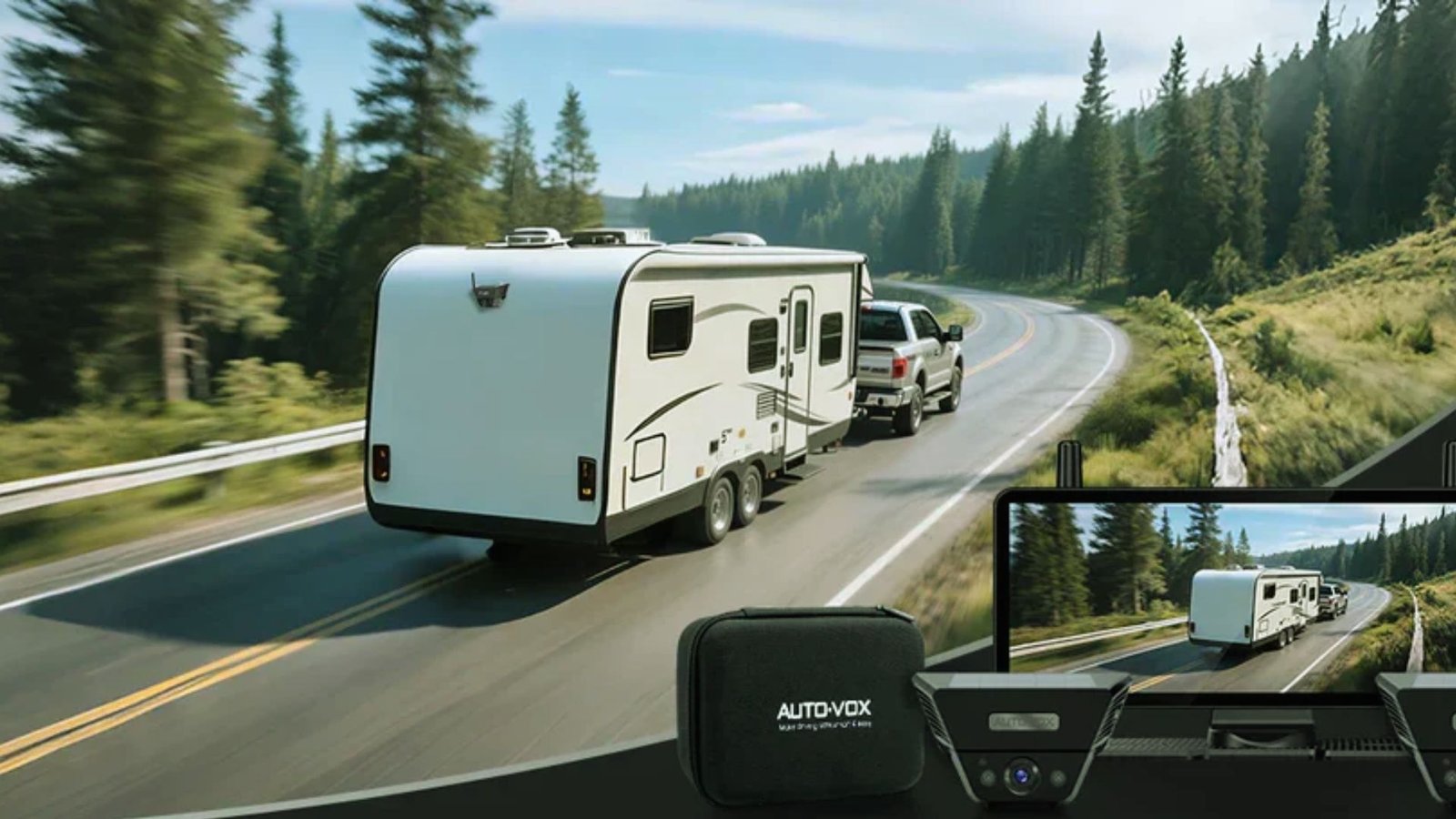
Canada followed a similar path and landed in the same year.
Canada’s 2018 Rule
Transport Canada amended the Motor Vehicle Safety Regulations to require backup cameras in all new light-duty vehicles as of May 1, 2018.
The rule applied to vehicles weighing 4,536 kg or less, closely mirroring the American standard.
U.S. vs Canada: Key Differences
The U.S. rule came from NHTSA while Canada’s came from Transport Canada under the Motor Vehicle Safety Act.
Both require a 10-foot by 20-foot rear visibility zone, but each references its own domestic standard. In practice, most vehicles sold in both countries meet both rules at thwhen did backup cameras become mandatorye same time.
Do All New Cars Have Backup Cameras Today?

Yes. Every new light vehicle sold in the U.S. or Canada since May 1, 2018, comes with a backup camera. That’s the law.
What the Law Requires
Any light vehicle manufactured for sale in the U.S. after May 1, 2018, must include a factory-installed rearview video system. It’s a hard requirement under federal law. The same applies in Canada under Transport Canada’s regulations.
Are There Exceptions?
Yes. Heavy-duty vehicles over 10,000 lbs GVWR are not covered. Motorcycles and trailers fall outside the scope of the law. Older cars made before 2018 don’t need to be retrofitted. If you’re buying used, it depends on the make, model, and year.
Why Backup Cameras Became Mandatory
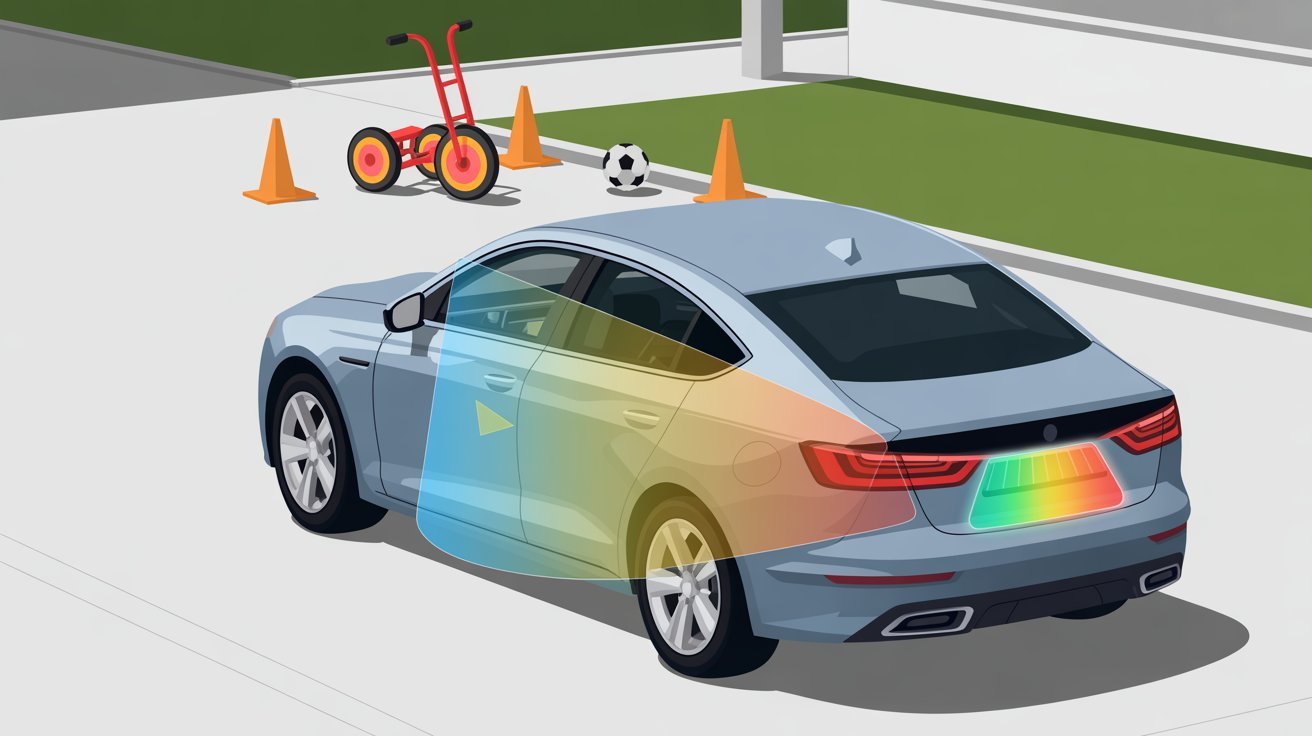
This wasn’t just a tech upgrade. There were real safety numbers behind the push.
The Accident Numbers
Before the mandate, backover accidents caused around 15,000 injuries and 210 deaths per year in the U.S., according to NHTSA data. Most happened in driveways, parking lots, and residential streets where drivers simply couldn’t see behind them.
Who Was Most at Risk
Children under five and adults over 70 were the most common victims. Young kids stay low to the ground and are nearly invisible over the rear of an SUV or truck. Elderly pedestrians may not react in time if caught in a blind zone. Backup cameras directly address this.
The Government’s Push for Safer Cars
The mandate was part of a broader push toward vehicle safety technology. Regulators were also pushing for electronic stability control, tire pressure monitoring, and forward collision warning systems. Backup cameras fit into this larger effort to reduce preventable accidents.
How Backup Camera Technology Has Improved Over Time
Backup cameras have come a long way since they first started appearing in vehicles.
Early Camera Systems
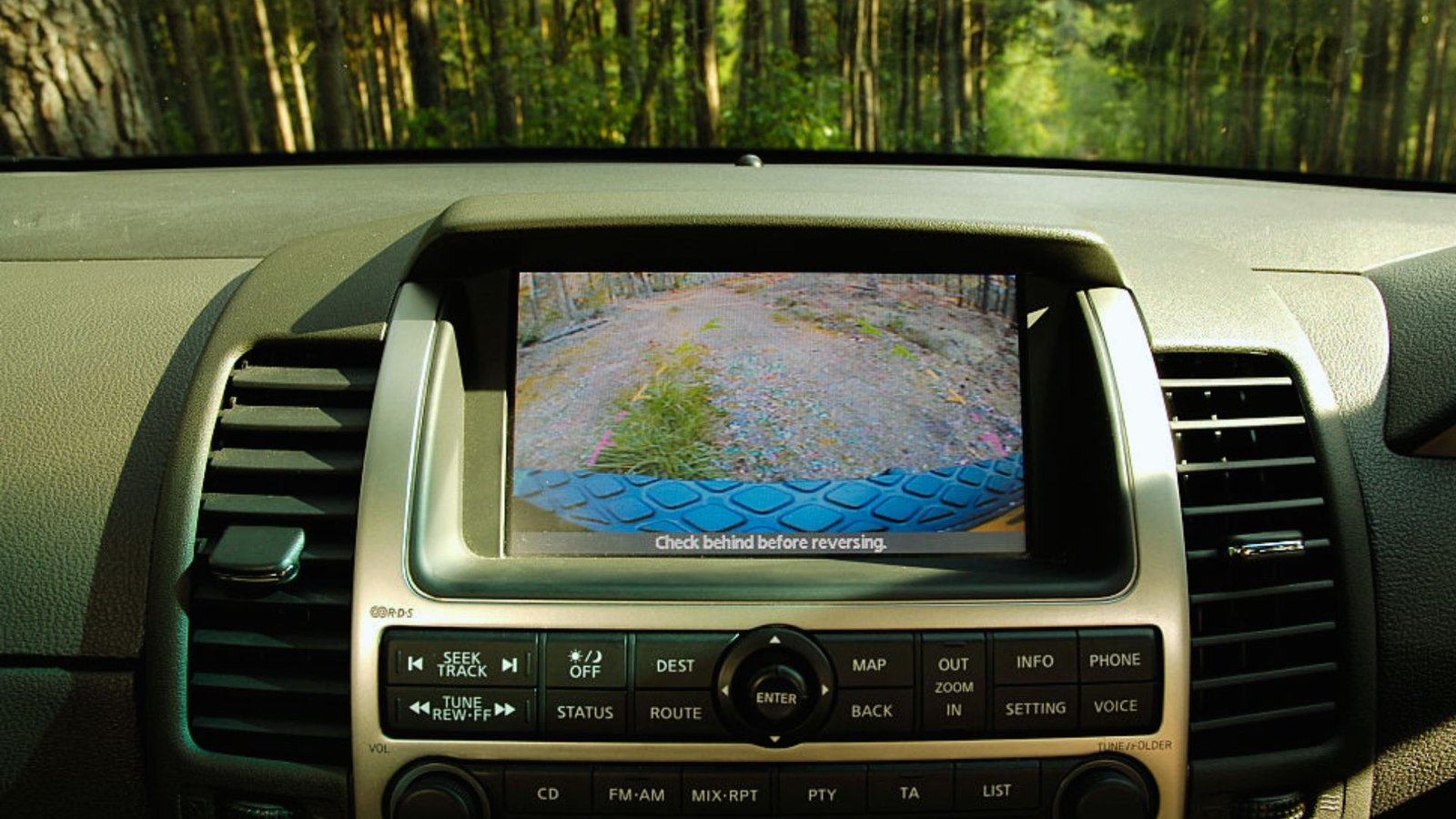
The first backup cameras were basic. Image quality was low, viewing angles were narrow, and screens were small and hard to read in bright sunlight. They were mostly found in luxury vehicles and treated as a premium feature.
Modern Camera Features
Today’s factory cameras are a big step up. Most come with wide-angle lenses, HD displays, and dynamic guidelines that move with your steering wheel. Some systems now include object detection and integration with surround-view technology.
What’s Coming Next
Many newer models are pairing backup cameras with 360-degree surround view systems that combine multiple camera feeds into one overhead view. Some automakers are even replacing side mirrors with camera-based systems. The backup camera mandate was just the beginning.
Tips for Using Backup Cameras Safely
Having a backup camera doesn’t mean you can skip basic safe reversing habits. Here are some quick tips to keep in mind:
- Always do a physical walkaround before reversing in tight or unfamiliar spots
- Check both side mirrors before you touch the gas pedal
- Turn and look over your shoulder, then use the camera to confirm
- Never rely on the camera alone since it won’t show what’s coming from the sides
- Clean your camera lens regularly, especially in winter when salt and mud build up
- Use a microfiber cloth to wipe the lens before driving in low visibility conditions
- Learn your car’s parking guidelines: green means safe, yellow means close, red means stop
Conclusion
Backup cameras became mandatory in the U.S. and Canada on May 1, 2018, and for good reason. The stats on backover accidents were hard to ignore.
I remember being genuinely surprised by how many of these accidents happened in driveways, not on highways. It made the law feel very human and necessary.
If this post helped you, I’d love to hear from you in the comments. Share it with someone buying a used car. And check out our other posts on vehicle safety features and road rules.
Frequently Asked Questions
When did backup cameras become mandatory in the US?
Backup cameras became mandatory in the U.S. on May 1, 2018. This applied to all new light vehicles sold after that date.
When did backup cameras become mandatory in Canada?
Canada also made backup cameras mandatory on May 1, 2018. Transport Canada aligned the rule closely with the U.S. standard.
Are backup cameras required in all new cars?
Yes, all new light-duty vehicles sold in the U.S. and Canada after May 1, 2018, are required to have a backup camera installed from the factory.
Can you add a backup camera to an older car?
Yes, aftermarket backup cameras are widely available. They can be installed on most older vehicles and connect to a new or existing display screen.
What vehicles are not covered by the backup camera law?
Heavy-duty commercial vehicles over 10,000 lbs GVWR are not covered. Motorcycles and trailers are also outside the scope of the mandate.