

Slow Wi-Fi is frustrating. Buffering, dropped connections, and lagging video calls are real problems in most homes today.
A dual band router can fix a lot of that.
In this guide, I’ll explain what a dual band router is, how it works, and what it’s good for. I’ve researched this so you don’t have to dig through confusing tech talk.
We’ll cover the definition, how it functions, the 2.4 GHz vs 5 GHz difference, what it’s used for, and tips to get the best performance.
What Is a Dual-Band Router?

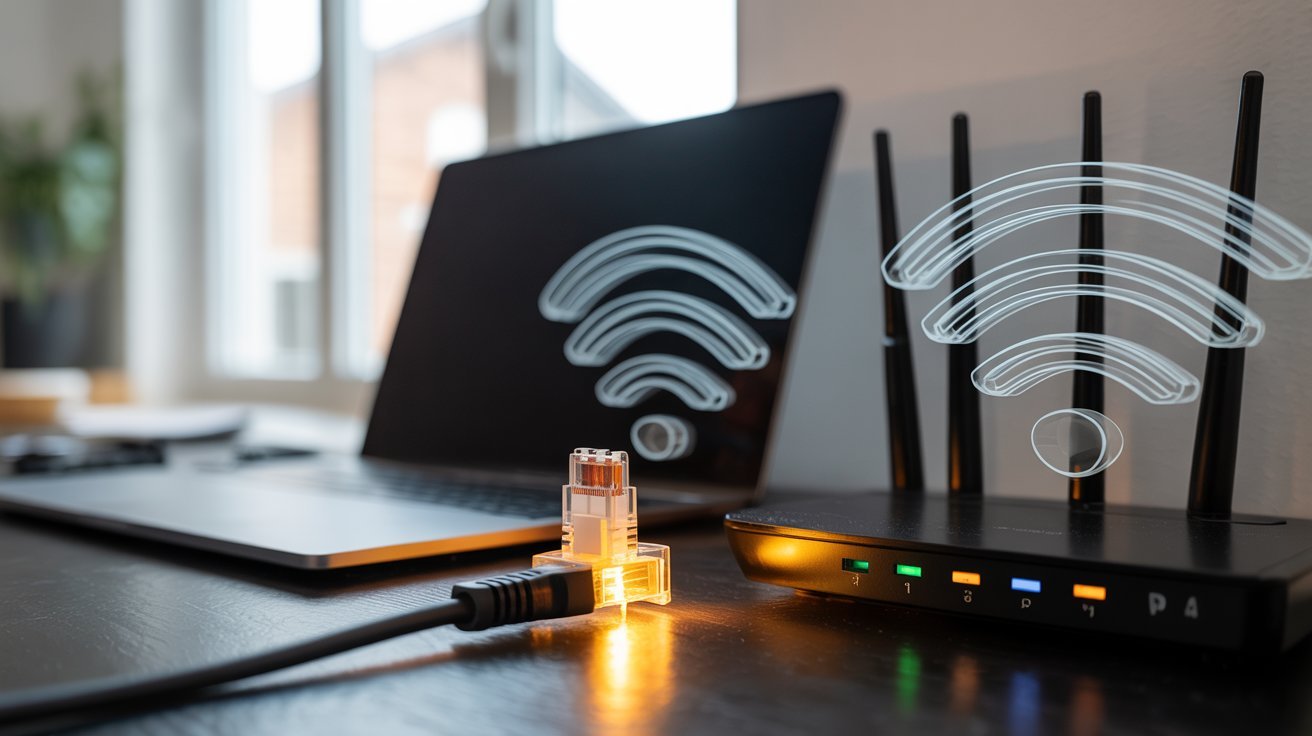
A dual band router broadcasts two Wi-Fi frequencies at the same time 2.4 GHz and 5 GHz.
A standard router only uses one. Having two means your devices can connect to whichever band fits their needs.
The 2.4 GHz band travels farther and passes through walls better, but it’s slower and picks up more interference. The 5 GHz band is faster with less interference, but it doesn’t reach as far.
Together, they give your network a lot more flexibility.
How Do Dual Band Routers Function?

A dual band router runs two wireless signals at once, giving your devices more options to connect.
Dual Frequency Operation
The router broadcasts both the 2.4 GHz and 5 GHz bands at the same time. Each band has its own network name (SSID), or some routers combine them under one name.
Devices in your home connect to whichever band works best for them.
Automatic Band Selection (Band Steering)
Some dual band routers use a feature called band steering. This means the router automatically moves your device to the better band based on signal strength and traffic. You don’t have to choose manually.
For example, if you move closer to the router, it may shift you from 2.4 GHz to 5 GHz automatically.
Device Compatibility and Behavior
Not all devices are the same. Older devices may only support 2.4 GHz. Newer phones and laptops usually support both bands. Smart home devices like bulbs and plugs typically stick to 2.4 GHz since they don’t need high speeds.
Your router handles all of this in the background.
2.4 GHz vs 5 GHz: Key Differences
These two bands serve different purposes, and knowing which one to use makes a real difference.
2.4 GHz Band

This is the older, slower frequency. But it covers more ground. It can pass through walls and floors better than 5 GHz. That makes it useful for devices that are far from the router.
The downside is interference. Because so many devices use this band, it gets congested. Speed can drop. Connections can feel unstable.
Good for: smart home devices, devices far from the router, basic browsing.
5 GHz Band

This is the faster option. It handles large amounts of data without slowing down. It also has more available channels, which reduces interference from nearby networks.
The catch is range. The 5 GHz signal doesn’t travel as far. Thick walls can weaken it quickly.
Good for: streaming, gaming, video calls, devices close to the router.
Which Band Should You Use?

It depends on what you’re doing.
Use 5 GHz when you’re close to the router and need fast speeds. Use 2.4 GHz when you’re farther away or using a device that only needs a basic connection. Many routers handle this automatically if band steering is turned on.
What Is a dual-band router used for and Good For?

Dual band routers are built for homes and offices with lots of devices and varying Wi-Fi needs.
Handling Multiple Devices
Most homes have a lot of devices connected to Wi-Fi at the same time. Phones, laptops, tablets, TVs, game consoles, smart speakers. A single band router struggles with this load. A dual band router splits that traffic across two bands, so things run smoother.
Streaming, Gaming, and Video Calls
These tasks need fast and stable connections. The 5 GHz band handles them well. Less interference means fewer drops. Faster speeds mean less buffering.
Reducing Network Congestion
When all devices share one band, things slow down. A dual band router spreads the load. Less congestion means better speeds for everyone on the network.
Ideal For
Homes with five or more connected devices, people who stream HD or 4K content, remote workers on video calls, gamers who need low latency, and anyone with smart home devices.
Benefits of a Dual-Band Router

Switching to a dual band router has real, everyday benefits worth knowing.
Faster Internet Speeds
With two bands available, devices that need speed can use 5 GHz without competing with slower devices. Everyone gets a better experience.
More Stable Connections
Less interference on 5 GHz means fewer dropped connections during video calls or streams. Devices stay connected longer without interruptions.
Better Network Efficiency
Traffic gets split automatically. Heavy-use devices go on one band. Light-use devices go on the other. The network works smarter, not harder.
Improved Overall Experience
Everything just works better. Pages load faster. Videos don’t buffer. Calls don’t drop. For most users, the difference is noticeable right away.
Tips to Get the Best Performance from a Dual Band Router
Small changes in how you set up your router can make a big difference in speed and stability.
- Use 5 GHz for streaming, gaming, and video calls
- Use 2.4 GHz for smart home devices and devices far from the router
- Place your router in a central location in your home
- Keep it off the floor and away from walls when possible
- Reduce interference by keeping the router away from microwaves, cordless phones, and other electronics
- Update the router firmware regularly to fix bugs and improve performance
- Restart your router occasionally to clear congestion
Conclusion
A dual band router is a simple but smart upgrade for any home or office network.
It runs two Wi-Fi frequencies at once: 2.4 GHz for range and 5 GHz for speed. Devices connect to the best available band, which reduces congestion and improves overall performance.
For most people today, a dual band router is the right choice. It handles multiple devices well, supports high-bandwidth tasks, and keeps connections stable.
If your current router is slow or overloaded, going dual band is one of the most practical fixes you can make.
Frequently Asked Questions
What is a dual band router?
A dual band router is a router that broadcasts two Wi-Fi frequencies at the same time: 2.4 GHz and 5 GHz. This gives your devices more options for connecting based on speed or range needs.
How do dual band routers function?
They run both Wi-Fi bands simultaneously. Devices connect to whichever band suits them best. Some routers use band steering to automatically assign devices to the most efficient option.
What is a dual band router used for and good for?
It’s great for homes with many connected devices. It handles streaming, gaming, video calls, and smart home devices all at once without slowing everything down.
Is 5 GHz better than 2.4 GHz?
It depends on the situation. 5 GHz is faster and has less interference. But 2.4 GHz covers more distance. Both have their uses depending on where the device is and what it needs.
Can I use both bands at the same time?
Yes. A dual-band router runs both bands at once. Different devices on your network can use different bands simultaneously. That’s the whole point of having two.