

Technology is everywhere, and keeping up with it can feel overwhelming. I get it. That’s why I put together this guide on the 53 types of technology, so you don’t have to search all over the web.
In this article, I’ll break down each type in plain, simple terms. No confusing jargon. No fluff. Just clear definitions, categories, and real examples you can relate to.
Here’s what you’ll find: A simple definition of technology All 53 types explained clearly Tips to help you pick the right tech
I’ve spent time making sure this guide is accurate and easy to follow. Let’s get into it.
What Is Technology?

Technology is the use of tools, systems, and knowledge to solve problems and make life easier. It has been part of human life since the very beginning.
Early humans used sticks and stones to hunt and build. Over time, those simple tools turned into engines, electricity, and eventually computers and AI.
Today, technology is everywhere. It’s in the phone in your pocket, the car you drive, the hospital that treats you, and the classroom where kids learn.
It shapes how we communicate, how we work, and how we spend our free time.
At its core, technology has one job: to make hard things easier. Whether it’s a hammer, a search engine, or a life-saving medical device, the goal is always the same.
Solve a problem. Save time. Improve life. Today, there are many different types of technology covering almost every part of life and work.
53 Types of Technology: Definitions, Categories & Examples
Here is a clear, simple breakdown of all 53 types of technology. Each one plays a role in how we live, work, learn, and connect.
1. Information Technology (IT)

IT is the backbone of how businesses store, share, and manage data every day.
IT covers the use of computers and systems to store, send, and manage data. Think of your company’s email system or data servers. IT keeps businesses running smoothly every day.
2. Communication Technology

This is how people connect and share messages across any distance, instantly.
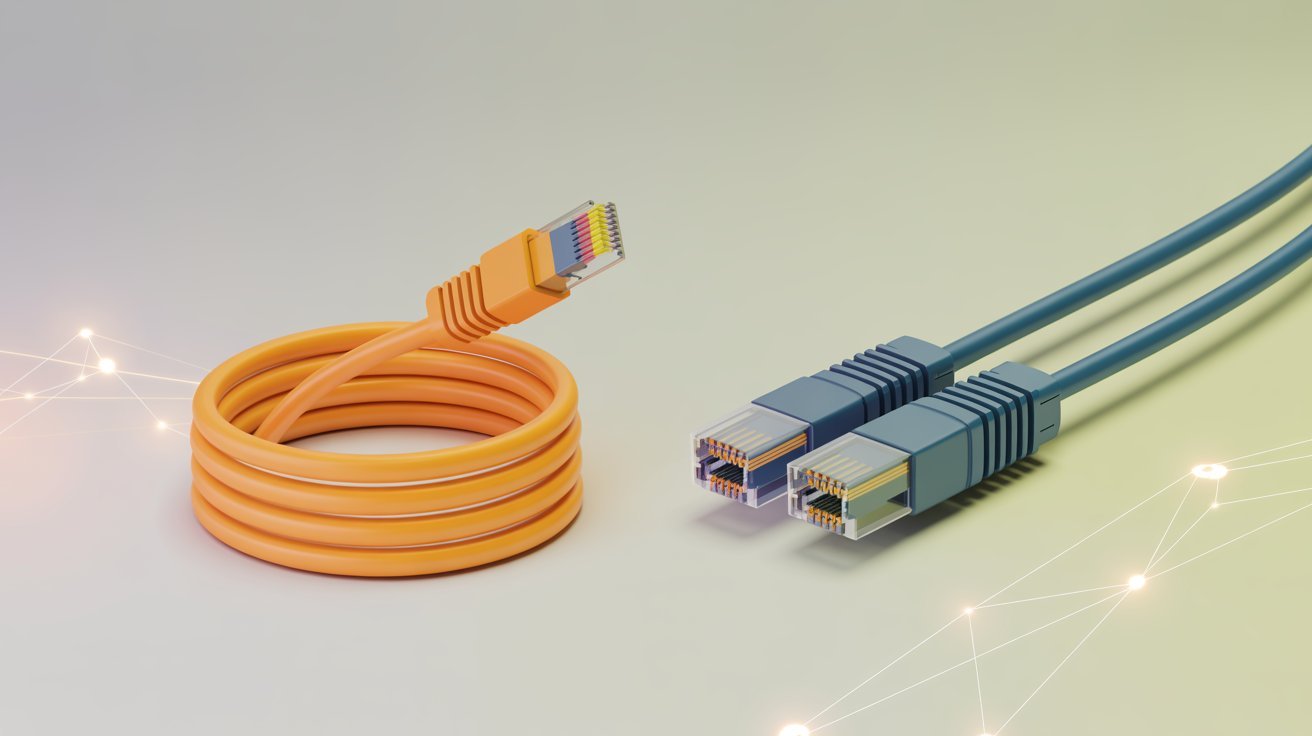
This type covers tools that let people send and receive messages. Phones, video calls, and messaging apps all fall here. It connects people across the world in seconds.
3. Computer Technology

Computers are the foundation that almost every other type of modern technology is built on.
Computer technology includes the hardware and software that make computers work. From laptops to servers, this is the foundation of most modern tech systems.
4. Software Technology
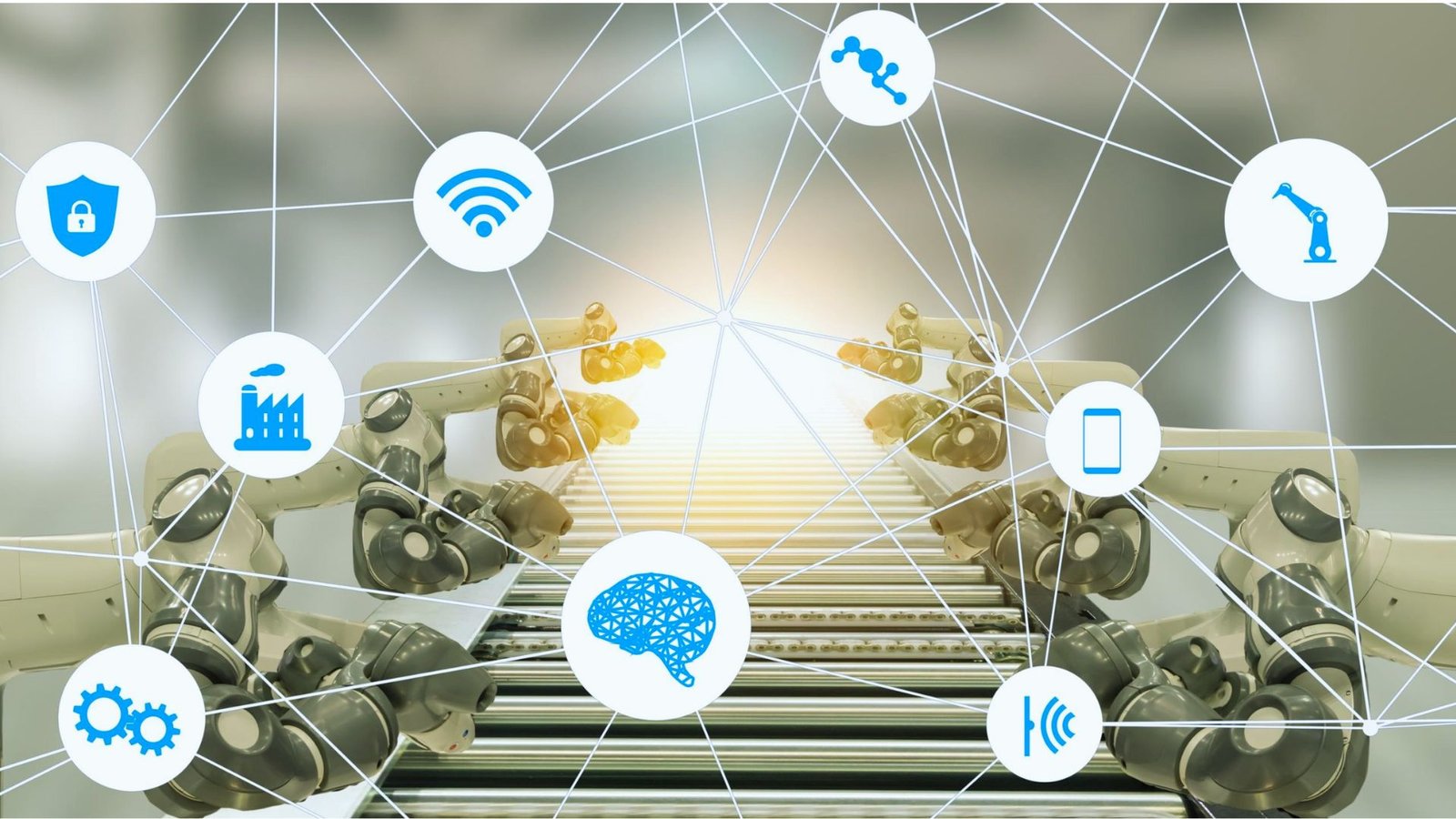
Software is what tells a computer what to do and how to behave.
Software is the set of instructions that tells a computer what to do. Apps, operating systems, and programs are all software. It runs on nearly every device you use.
5. Hardware Technology
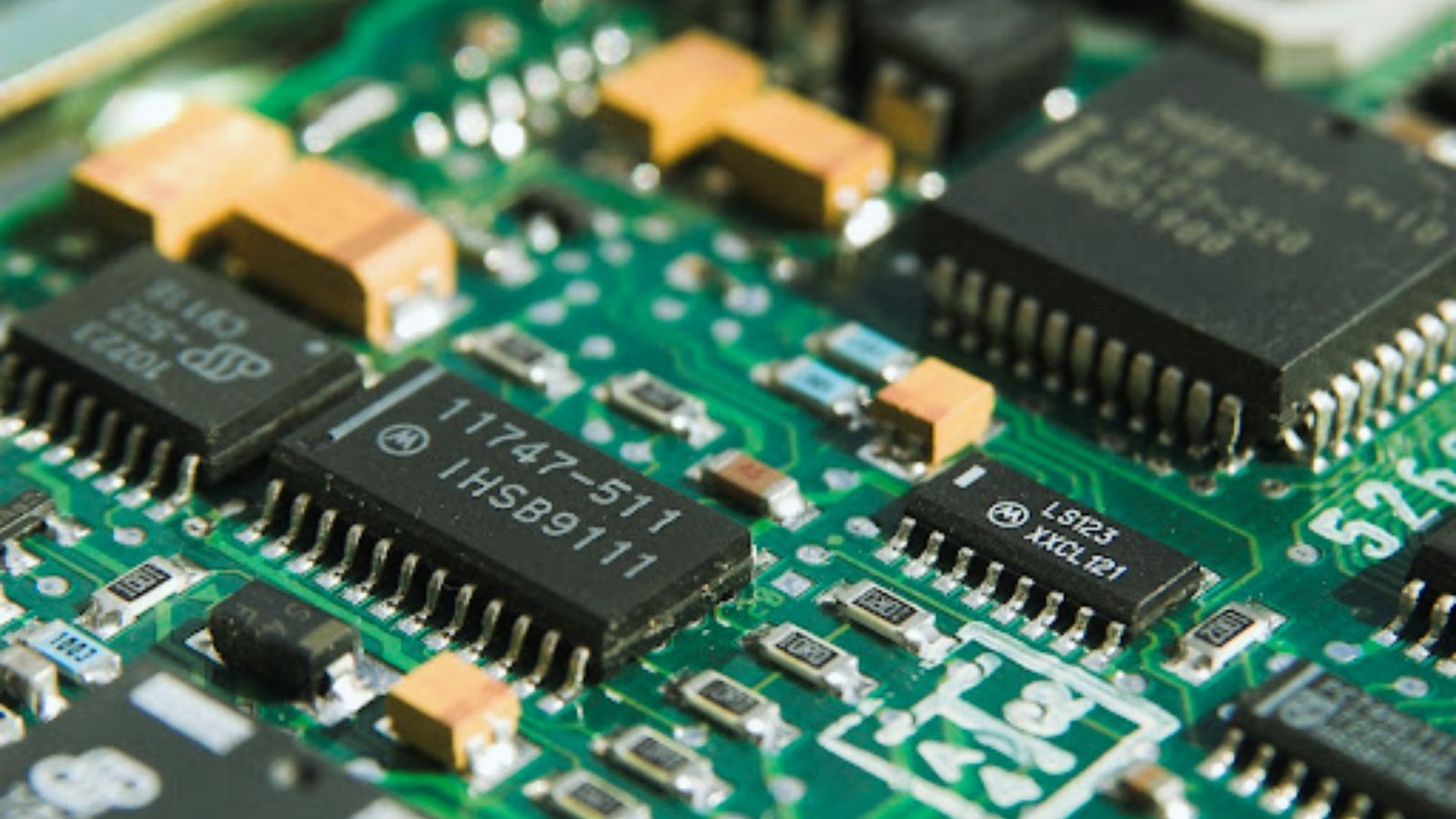
Hardware is the physical side of technology that you can actually see and touch.
Hardware is the physical part of a computer system. Keyboards, monitors, processors, and hard drives are all hardware. You can touch it, which makes it different from software.
6. Artificial Intelligence (AI)

AI gives machines the ability to think, learn, and make decisions like humans do.
AI allows machines to mimic human thinking. It powers voice assistants, recommendation systems, and self-driving features. AI is one of the fastest-growing tech areas right now.
7. Machine Learning Technology

Machine learning helps computers get smarter over time by learning from data.
Machine learning is a branch of AI where computers learn from data. The more data they get, the smarter they become. Spam filters and product suggestions use this type.
8. Data Analytics Technology

Data analytics turns raw numbers into insights that help businesses make better decisions.
This type turns raw numbers into useful insights. Businesses use it to track sales, customer behavior, and trends. Good data analytics leads to smarter decisions.
9. Cloud Computing Technology

Cloud computing lets you access your files and data from anywhere with an internet connection.
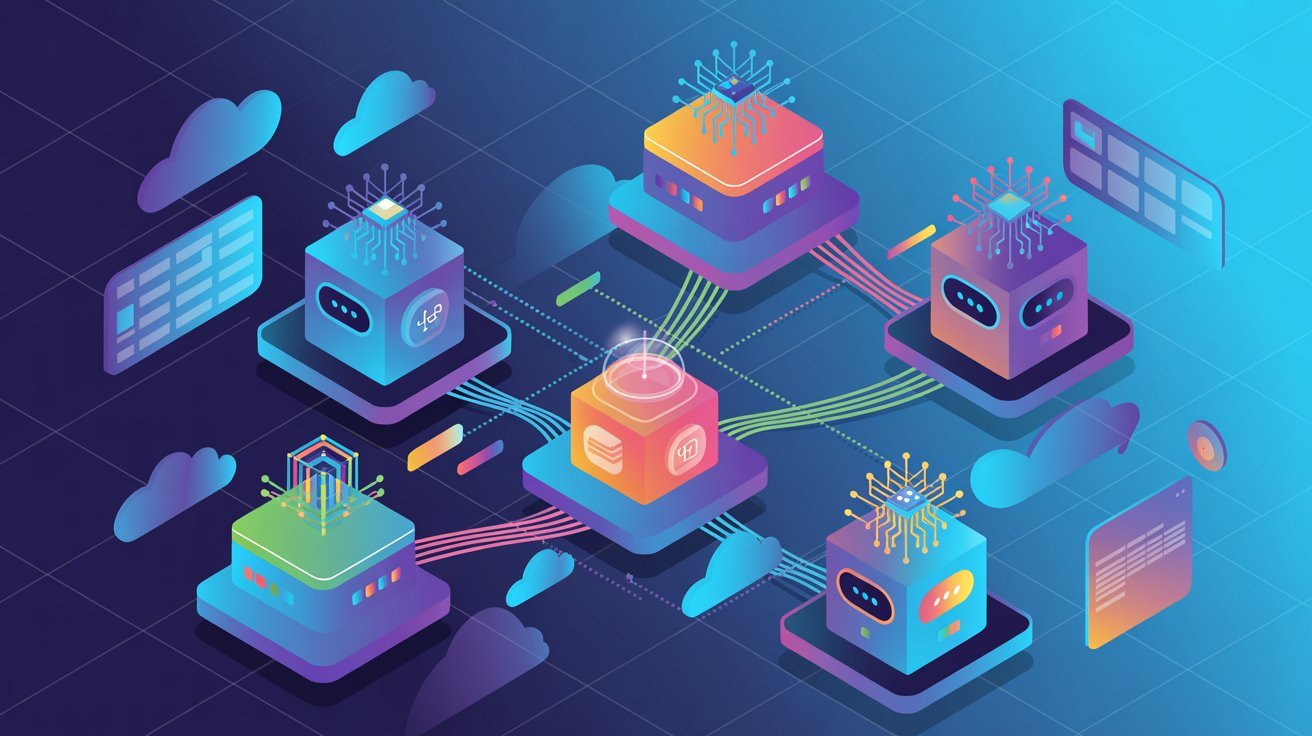
Cloud computing lets you store and access data over the internet instead of a local hard drive. Google Drive and Dropbox are great examples. It makes remote work much easier.
10. Cybersecurity Technology

Cybersecurity keeps your systems, data, and personal information safe from online threats.
Cybersecurity protects systems and data from hackers and threats. It includes firewalls, antivirus software, and encryption. As more life moves online, this type becomes more important.
11. Internet Technology
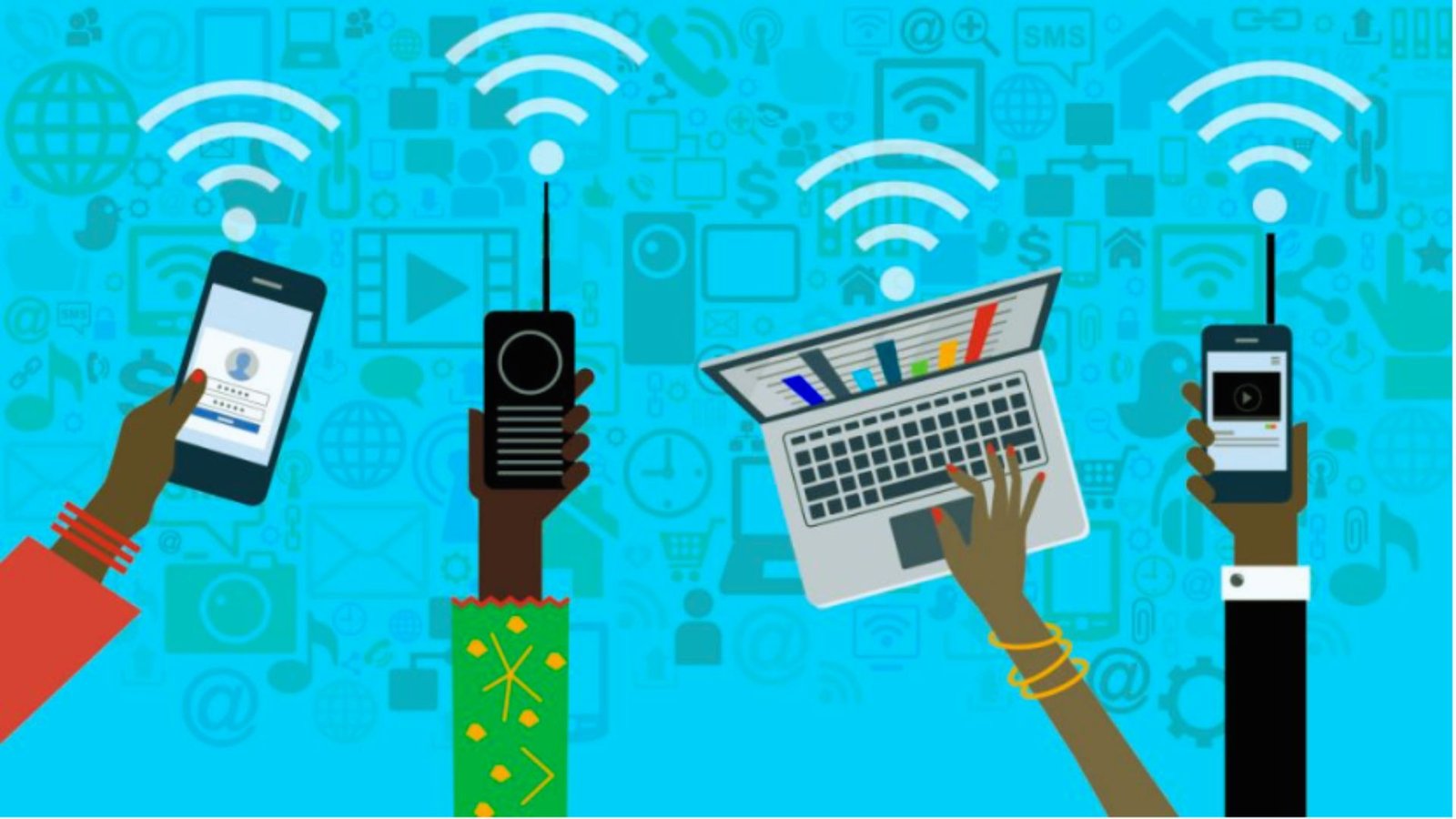
The internet is the invisible system that connects nearly every device and platform in use today.
Internet technology is the system that connects devices worldwide. It includes web servers, browsers, and protocols. Almost every other tech type depends on it today.
12. Mobile Technology
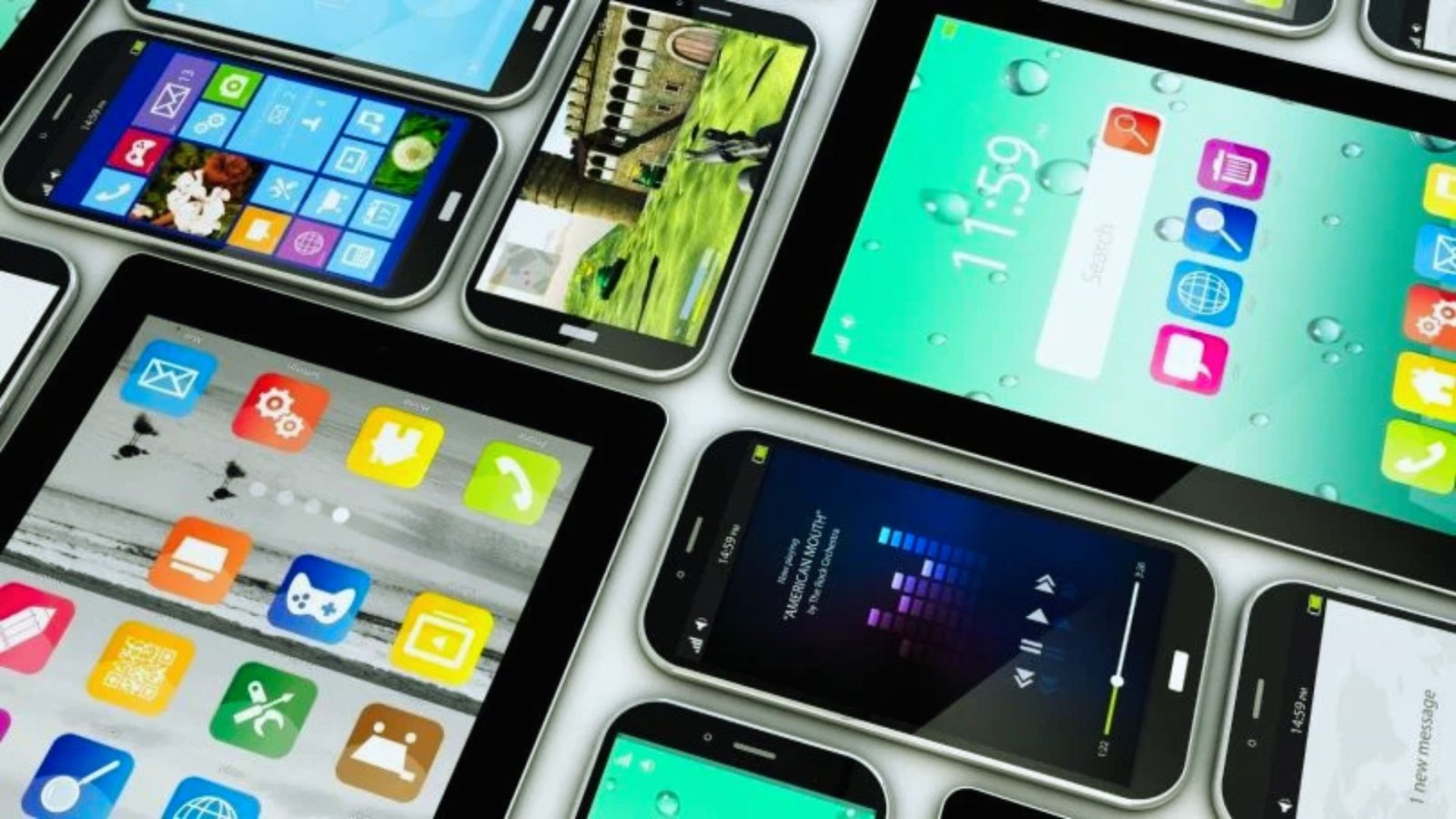
Mobile technology puts powerful computing right in the palm of your hand.
Mobile tech refers to smartphones, tablets, and the networks they use. Apps, mobile banking, and GPS are all part of this. Most people interact with it dozens of times a day.
13. Wireless Technology

Wireless technology cuts the cord and lets you connect from almost anywhere.
Wireless technology sends data without physical cables. Wi-Fi, Bluetooth, and cellular networks are all wireless. It gives us the freedom to connect from almost anywhere.
14. Radio Wave Technology

Radio waves have carried wireless signals through the air for over a century.
Radio waves carry signals for broadcast radio, TV, and wireless communication. They travel through the air and cover long distances. This is one of the oldest forms of wireless tech.
15. Satellite Technology

Satellites orbit Earth to support GPS, weather data, and global communication networks.
Satellites orbit Earth and support GPS, weather forecasting, and global communication. They make it possible to get real-time data from nearly any location on the planet.
16. Medical Technology

Medical technology includes the devices and tools that doctors use to treat and care for patients.
Medical tech includes devices and tools used in healthcare. MRI machines, pacemakers, and blood glucose monitors fall in this group. It saves lives and improves patient care.
17. Healthcare Technology

Healthcare technology goes beyond devices to cover the full system of managing patient care.
Healthcare technology is broader than medical devices. It covers health records systems, hospital management software, and patient tracking tools. It makes healthcare more organized and efficient.
18. Diagnostic Technology

Diagnostic technology helps doctors spot health problems early before they become serious.
Diagnostic tech helps doctors find out what’s wrong with a patient. X-rays, CT scans, and lab tests are examples. Early and accurate diagnosis leads to better treatment.
19. Surgical Technology

Surgical technology gives doctors the precision tools they need to perform complex operations safely.
Surgical tech includes the tools and systems used during operations. Robotic surgery systems and laparoscopic tools are part of this. They help surgeons work with more precision.
20. Telemedicine Technology

Telemedicine brings doctor visits to your screen, no matter where you are.
Telemedicine lets patients talk to doctors through video calls or apps. It became very popular during the COVID-19 pandemic. It makes healthcare more reachable for people in remote areas.
21. Educational Technology

EdTech covers the tools and platforms that support learning inside and outside the classroom.
EdTech covers tools that support learning. Tablets in classrooms, digital textbooks, and online platforms all count. It makes education more interactive and accessible.
22. Classroom Technology

Classroom technology helps teachers engage students and deliver lessons in more dynamic ways.
This includes the specific tools used inside school classrooms. Smartboards, projectors, and student response systems are examples. They support teachers and engage students more effectively.
23. E-Learning Technology

E-learning lets people study at their own pace from anywhere in the world.
E-learning refers to online education and digital training. Platforms like Coursera and Khan Academy are part of this. It allows people to learn from anywhere at their own pace.
24. Learning Management Systems (LMS)
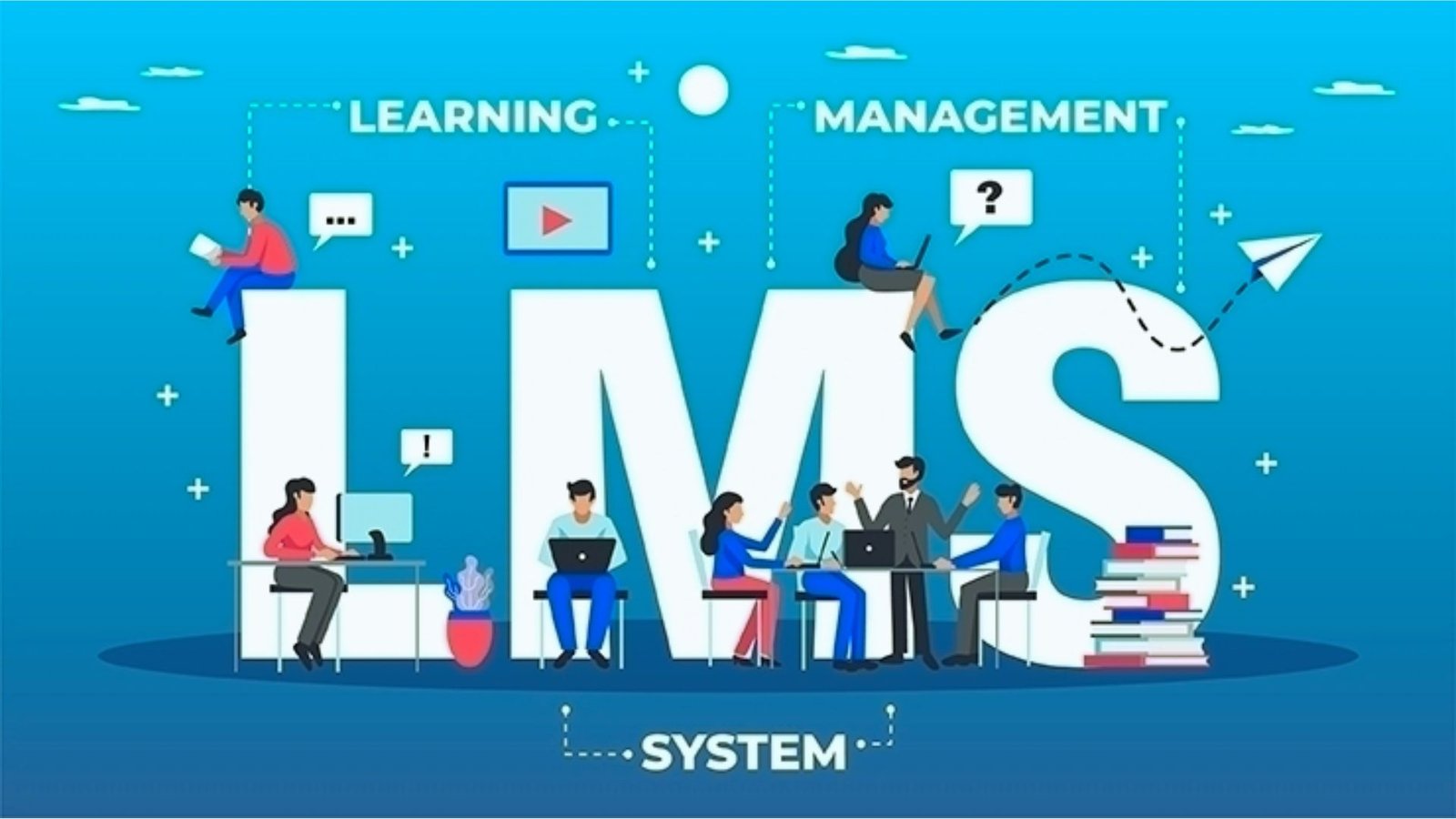
An LMS is the software platform that organizes and tracks online courses and training programs.
An LMS is software that manages online courses and training. Schools and companies use platforms like Moodle and Canvas. It tracks progress, assigns work, and organizes content.
25. Smart Classroom Technology

Smart classrooms blend devices, internet, and software into one connected learning environment.
Smart classrooms combine devices, internet, and software to create interactive learning spaces. Students can collaborate on screens, submit work digitally, and get instant feedback.
26. Business Technology

Business technology covers every tool a company uses to operate, communicate, and grow.
Business tech refers to any tool that helps a company operate. CRM software, accounting systems, and communication platforms all fit here. It keeps teams connected and workflows running.
27. Workplace Technology

Workplace technology shapes how productive and connected a team can be on any given day.
Workplace tech includes the physical and digital tools employees use daily. Computers, project management apps, and collaboration tools are all part of this. It affects how productive a team can be.
28. Office Automation Technology

Office automation handles the repetitive tasks so your team can focus on higher-value work.
This type automates repetitive tasks in an office. Things like automated emails, scheduling software, and invoice generation save time. It lets staff focus on higher-value work.
29. Enterprise Technology

Enterprise technology is built to handle the complex needs of large organizations at scale.
Enterprise tech is built for large organizations with complex needs. ERP systems, large-scale databases, and supply chain software fall here. It handles big data and many users at once.
30. Financial Technology (FinTech)

FinTech makes banking, payments, and financial services faster, easier, and more accessible.
FinTech covers digital tools used in banking and finance. Mobile payments, online lending, and cryptocurrency platforms are all examples. It makes financial services faster and more accessible.
31. Manufacturing Technology

Manufacturing technology helps factories produce goods faster, more accurately, and at greater scale.
This type supports the creation of goods at scale. CNC machines, conveyor systems, and production monitoring tools are included. It helps factories work faster and with fewer errors.
32. Automation Technology
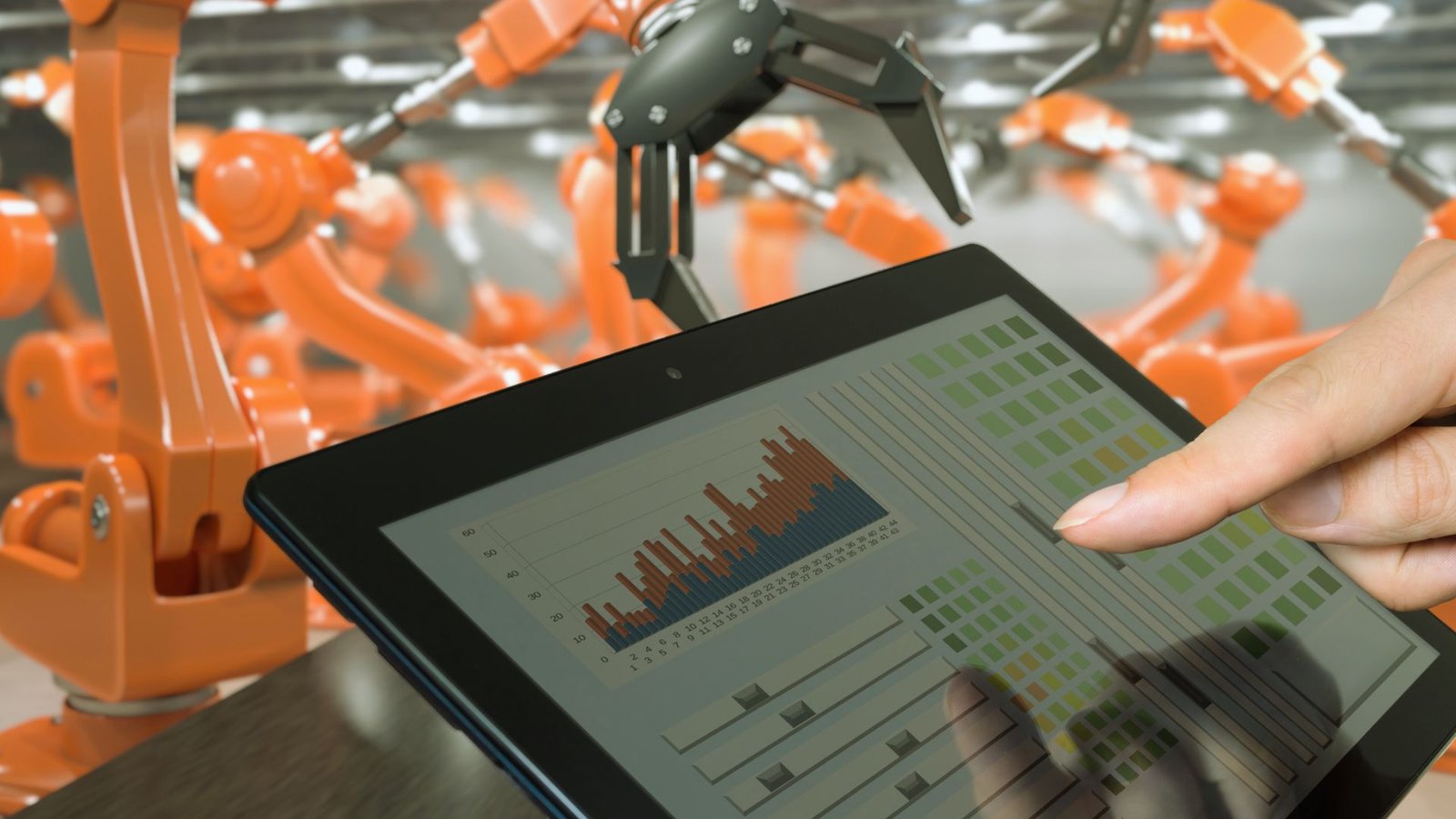
Automation handles repetitive tasks so machines and software can do the heavy lifting.
Automation uses machines and software to perform tasks with minimal human input. Factory robots and automatic billing systems are examples. It reduces cost and increases output.
33. Robotics Technology
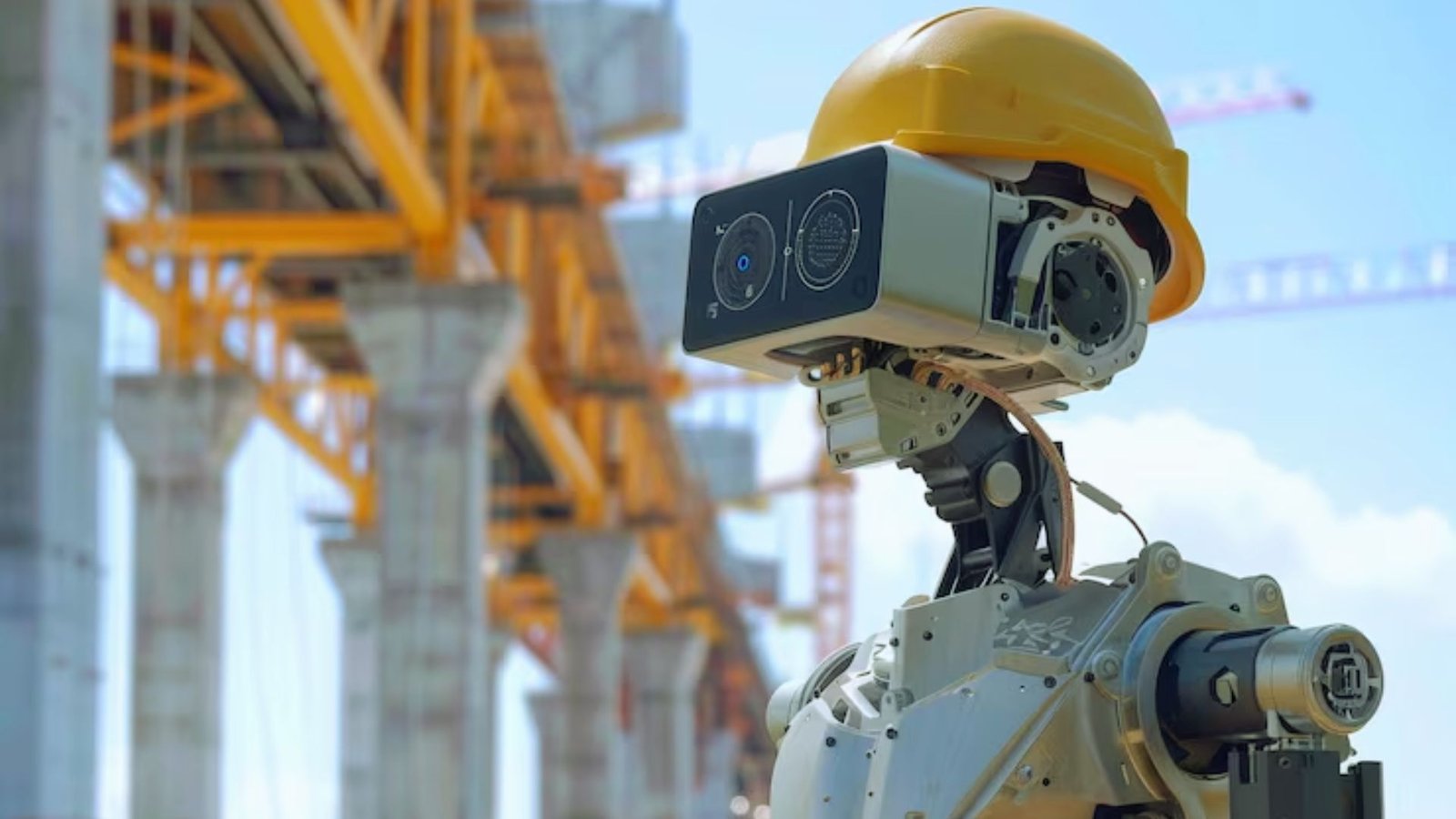
Robotics brings machines to life with the ability to perform physical tasks on their own.
Robotics combines mechanics, electronics, and software to build machines that can perform tasks. They’re used in manufacturing, surgery, and even customer service. This field is growing fast.
34. 3D Printing Technology

3D printing turns a digital design file into a real, physical object layer by layer.
3D printing builds physical objects layer by layer from a digital file. It’s used in product design, medicine, and construction. It makes custom production much faster and cheaper.
35. Industrial Technology
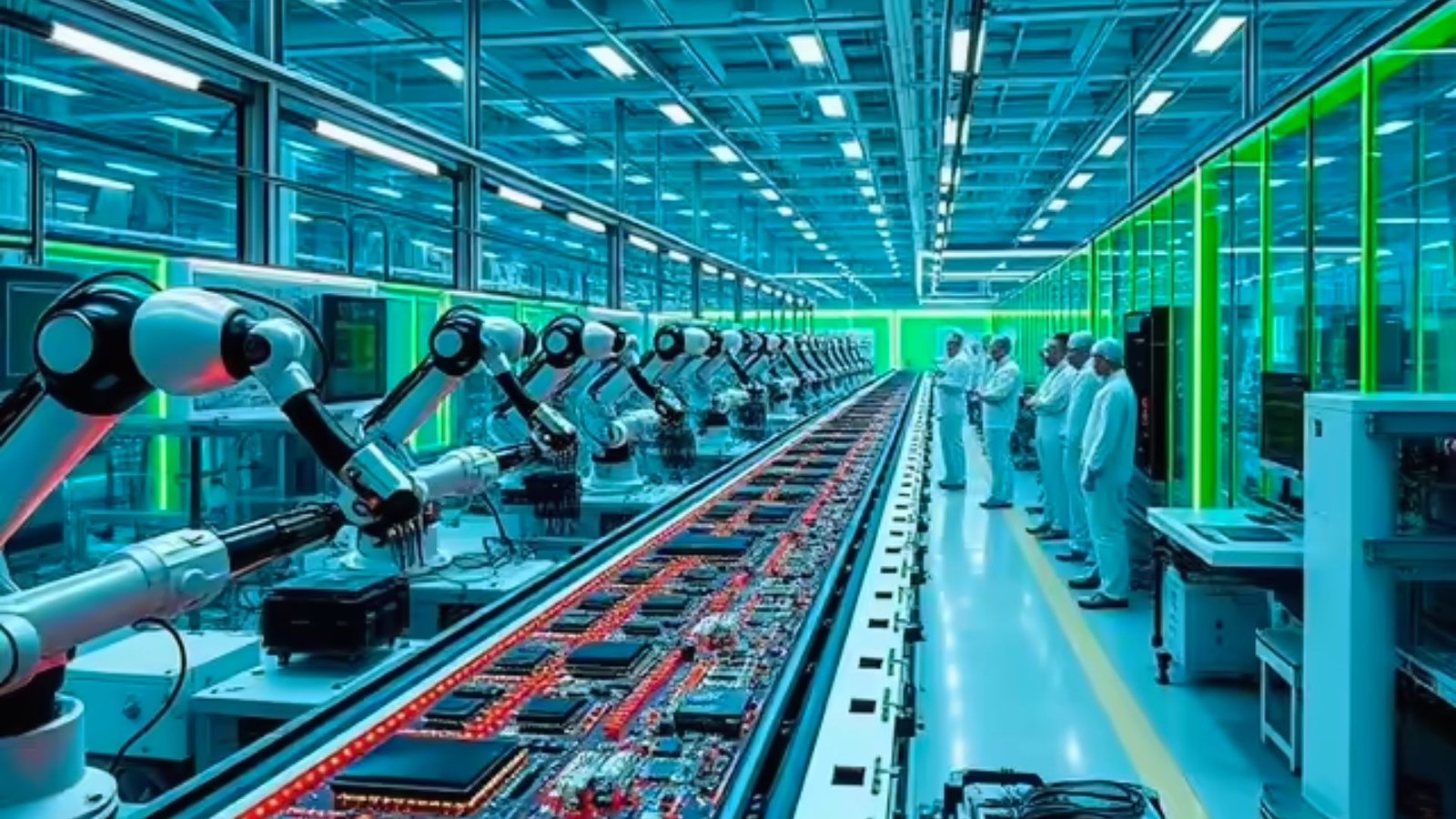
Industrial technology powers the heavy machinery and systems behind large-scale production.
Industrial tech refers to machinery and systems used in heavy industries. Mining equipment, oil refinery systems, and industrial sensors are examples. It supports large-scale production and infrastructure.
36. Transportation Technology

Transportation technology covers every system and tool involved in moving people and products.
This covers systems and tools that move people and goods. Traffic management systems, logistics software, and vehicle tracking tools are all part of it. It makes moving things more efficient.
37. Vehicle Technology

Today’s vehicles are packed with electronics and software that would have seemed futuristic 20 years ago.
Vehicle tech includes the electronics and systems inside modern cars and trucks. Engine control units, backup cameras, and in-car navigation are examples. Cars today are rolling computers.
38. Electric Vehicle Technology

EV technology replaces the gas tank with rechargeable batteries for cleaner, greener driving.
EV technology powers vehicles using rechargeable batteries instead of gasoline. Brands like Tesla have pushed this forward. It’s a major part of cleaner transportation efforts worldwide.
39. Autonomous Vehicle Technology
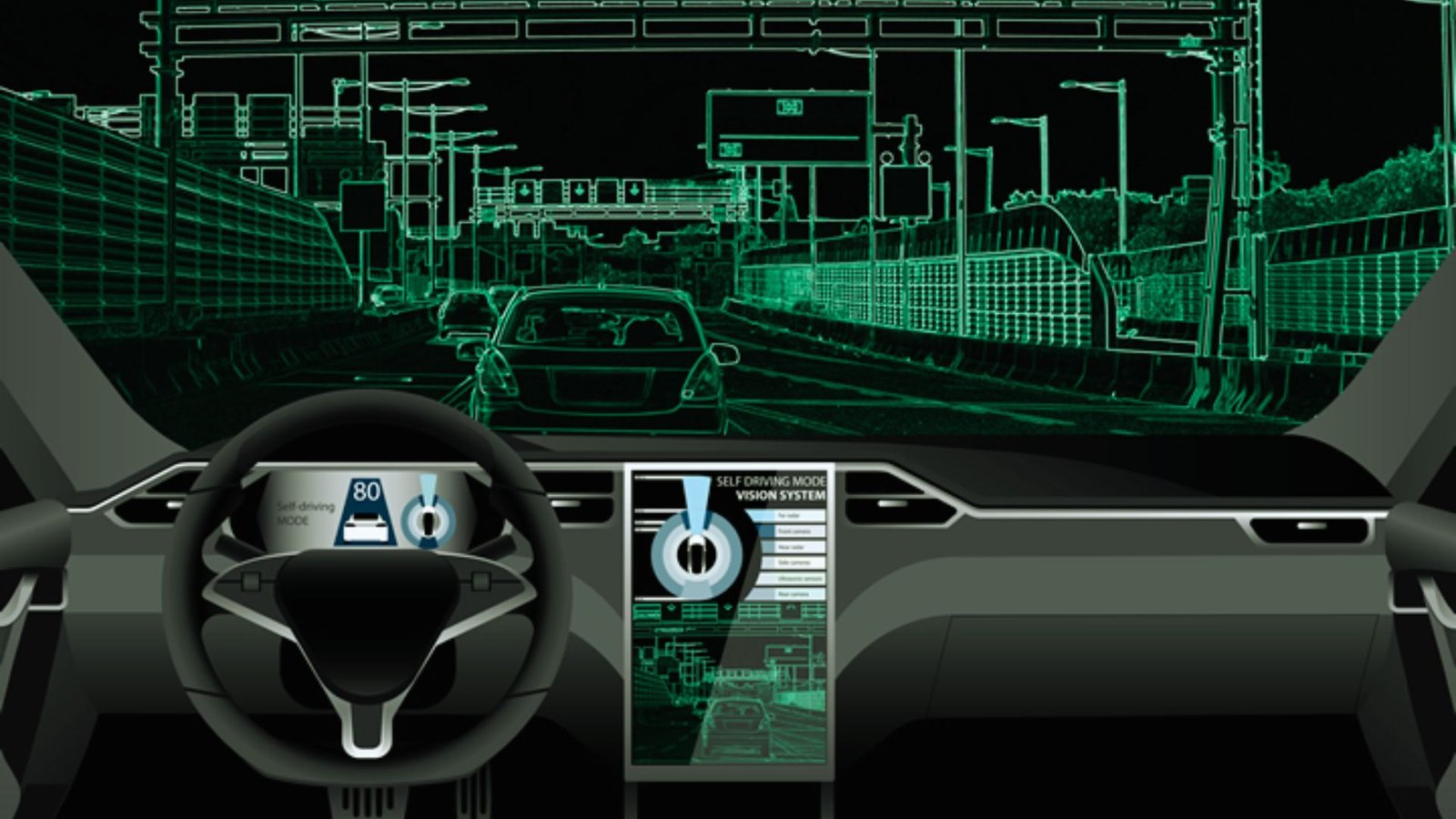
Self-driving technology uses AI and sensors to operate vehicles without a human behind the wheel.
Self-driving vehicles use sensors, cameras, and AI to operate without a human driver. This technology is still developing but has major potential to change transportation forever.
40. GPS Technology
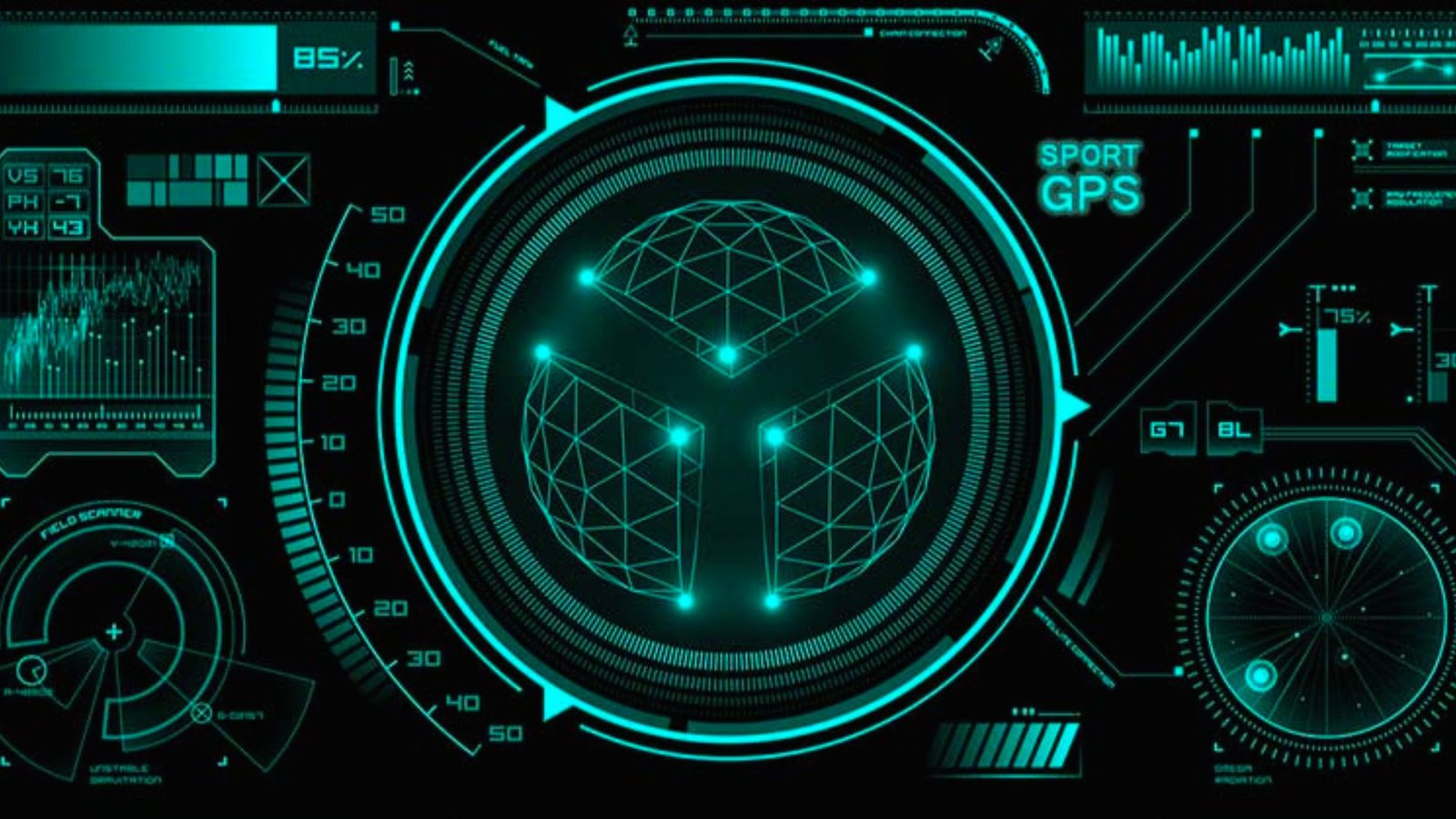
GPS uses satellite signals to give you accurate location data anywhere on Earth.
GPS uses satellites to give accurate location data. It’s in your phone, your car, and many business systems. It makes navigation, tracking, and logistics far more reliable.
41. Energy Technology

Energy technology covers how we generate, store, and distribute power across homes and businesses.
Energy tech covers systems used to generate, store, and distribute power. Power grids, batteries, and smart meters are all included. It’s central to how homes and businesses run.
42. Renewable Energy Technology

Renewable energy pulls power from sources that naturally replenish, unlike fossil fuels.
This focuses on generating energy from sources that don’t run out. Solar panels, wind turbines, and hydroelectric systems are examples. It’s key to reducing dependence on fossil fuels.
43. Solar Technology

Solar technology captures sunlight and converts it directly into clean, usable electricity.
Solar technology captures energy from the sun and converts it to electricity. Solar panels on rooftops and large solar farms are common uses. It’s one of the most accessible green energy options.
44. Wind Energy Technology

Wind turbines harvest the power of moving air and turn it into electricity for thousands of homes.
Wind turbines convert wind into electricity. Offshore and onshore wind farms generate power for thousands of homes. This type of energy is growing fast around the world.
45. Clean and Green Technology
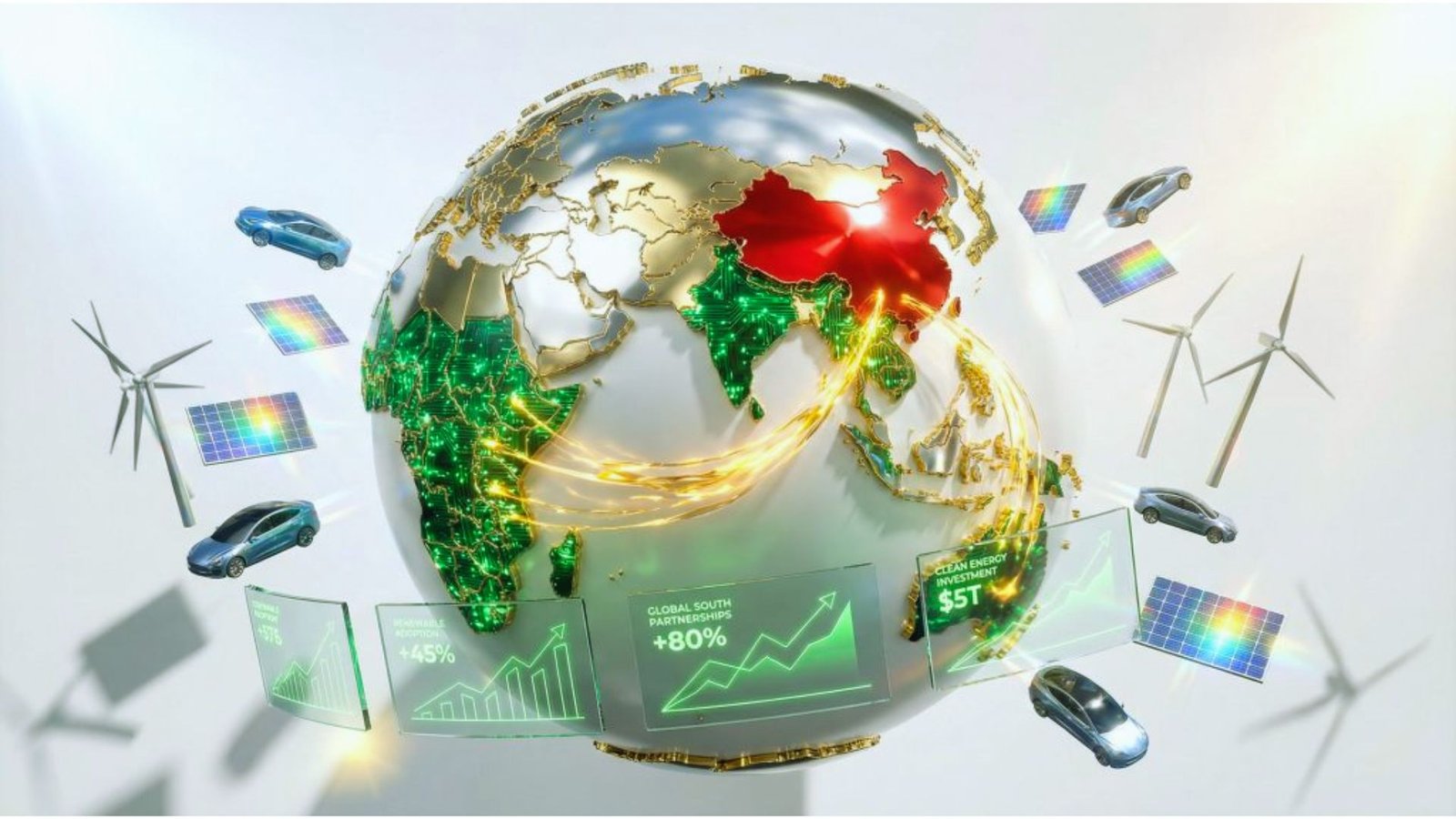
Green technology focuses on protecting the planet while still meeting the needs of modern life.
Green tech focuses on reducing environmental harm. It includes eco-friendly materials, carbon capture systems, and energy-efficient appliances. The goal is to protect the planet while meeting human needs.
46. Consumer Technology
Consumer technology includes the personal devices that most people use in their daily lives.
Consumer tech refers to devices made for everyday personal use. Smartphones, laptops, tablets, and smart TVs all count. This is the tech most people interact with at home.
47. Smart Home Technology

Smart home technology connects your household devices so you can control them from anywhere.
Smart home tech connects household devices to the internet for remote control. Smart thermostats, security cameras, and voice-controlled lights are popular examples. It makes homes more convenient and efficient.
48. Wearable Technology
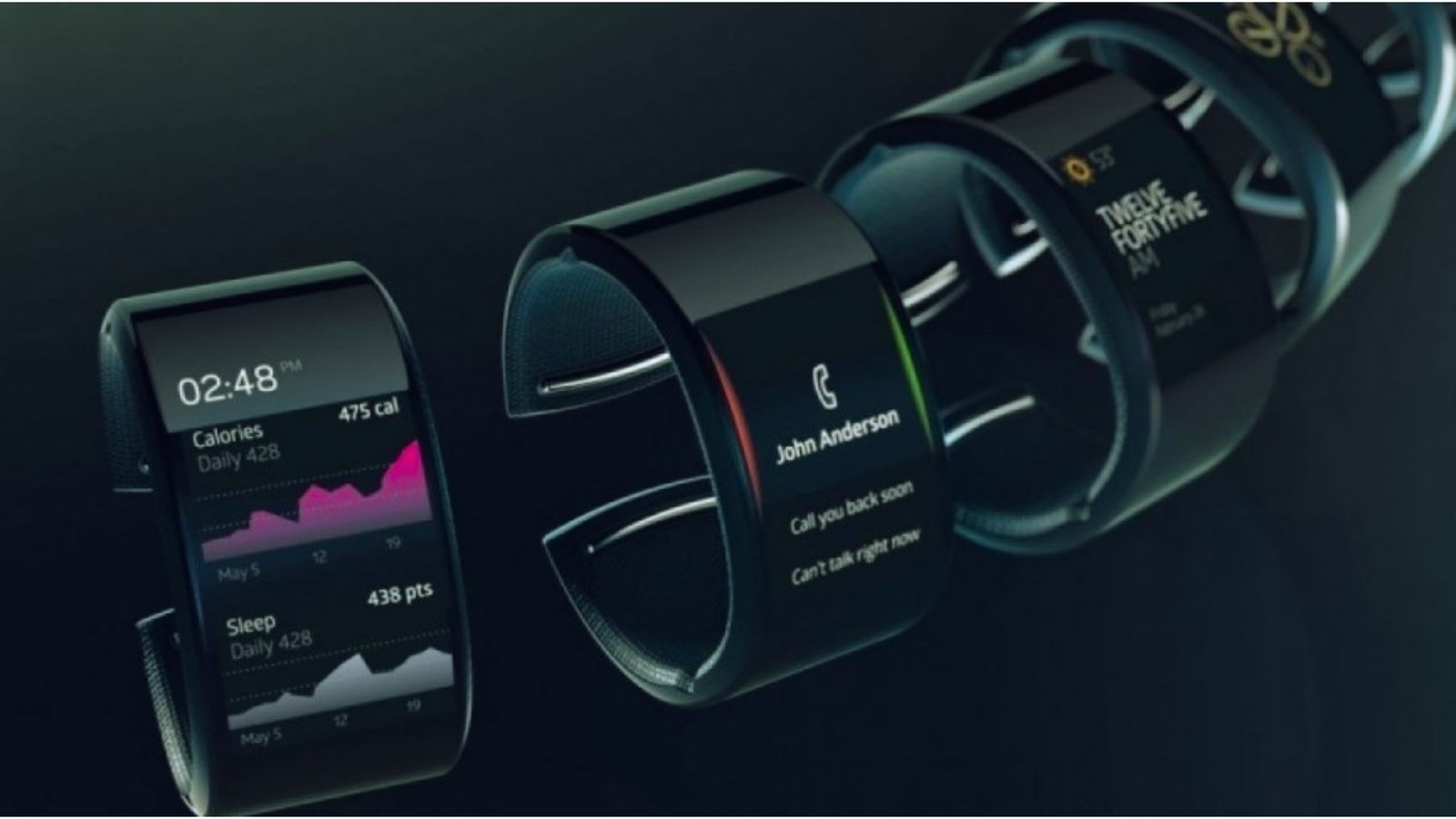
Wearables are tech devices you put on your body to track health, fitness, and daily activity.
Wearables are devices worn on the body that collect or display data. Smartwatches, fitness trackers, and health monitors are all wearables. They track health and keep users connected on the go.
49. Entertainment Technology

Entertainment technology covers all the platforms and devices we use to unwind and have fun.
This covers tools and platforms used for fun and leisure. Streaming services, gaming consoles, virtual reality headsets, and digital music platforms all belong here. It shapes how we spend our free time.
50. Biotechnology

Biotech combines biology and technology to develop products that improve medicine, food, and the environment.
Biotech applies biology and technology together to develop products and processes. It’s used in medicine, agriculture, and environmental science. Gene editing and vaccine development are leading examples.
Emerging and Specialized Technology

These cutting-edge fields are shaping the future of science, farming, and smart living.
- Agricultural Technology: AgriTech helps farmers grow more food with fewer resources using smart, data-driven tools.
- Internet of Things (IoT): IoT connects everyday objects to the internet so they can communicate and respond in real time.
- Computer Security Technology: Computer security protects every connected system from the threats that target it daily.
Tips to Understand and Choose the Right Types of Technology
Picking the right technology is easier when you know what to look for from the start.
- Start by identifying the problem you need to solve. Your goals should always come before your tools.
- Build a foundation in the basics first. Learn how computers, software, and the internet work before moving into AI or robotics.
- Factor in cost, scalability, and maintenance. Cheap upfront doesn’t always mean affordable in the long run.
- Never skip security. Any technology handling personal or business data needs strong privacy protections built in.
- Stay informed and keep learning. Following tech trends and building in-demand skills like coding or cybersecurity will always pay off.
Conclusion
I hope this guide made the 53 types of technology feel a lot less overwhelming. When I first started looking into this topic, I was surprised by how much variety there really is.
Technology isn’t just one thing. It’s hundreds of tools working together to make life easier.
Now it’s your turn. Which type of technology do you use most in your daily life?
Drop a comment below and let me know. And if this helped you, share it with someone who could use it too.
Frequently Asked Questions About Types of Technology
Got questions about the different types of technology? Here are the answers people ask most.
What Are the Types of Technology?
Technology types are categories of tools and systems that solve specific problems, ranging from information and communication to medical, agricultural, and energy technology.
What Types of Technology Are There?
There are over 53 recognized types, covering areas like AI, cloud computing, biotech, and transportation, each serving a different purpose in business, healthcare, education, or daily life.
What Are the Different Types of Technology?
They are grouped by function and industry, including software, hardware, financial, and green technology.
Which Types of Technology Are Most Important Today?
AI, cybersecurity, cloud computing, and mobile technology are the most in-demand right now, affecting nearly every industry.
What Types of Technology Have Recently Changed the Workplace?
Cloud computing, automation, and communication platforms have had the biggest impact, making remote work and team collaboration far more efficient.