

Smartphones are no longer just for texting or scrolling. For students today, they play a key part in how learning happens, inside and outside the classroom.
In this article, I’ll walk you through the real benefits of smartphones in modern student learning, from accessing study materials to staying organized and connected with teachers.
I’ve seen firsthand how the right use of a phone can make studying easier, faster, and a lot less stressful. It changed how I prepared for exams and kept track of deadlines.
If you want to get more out of your device as a student, this guide is for you.
What Are the Benefits of Smartphones?
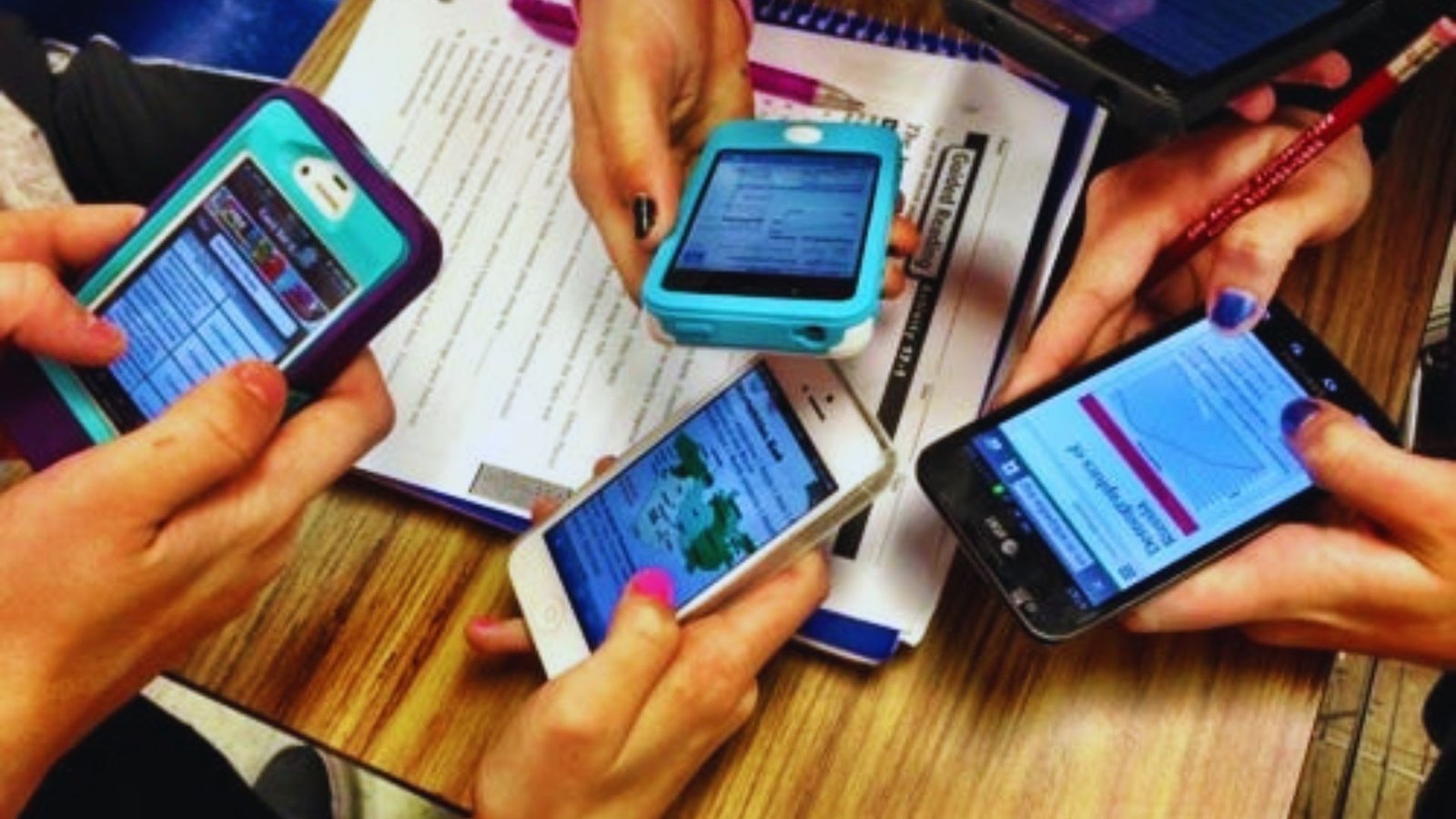
Smartphones do more than connect people. They put information, tools, and support right in your pocket, working as a calculator, planner, library, and classroom all at once.
For students, that kind of access changes how learning works every day. Need to look something up quickly? Done. Want to review notes before a quiz? Easy.
Things that used to require a computer or a library trip can now happen from anywhere.
Group chats for class projects, reminders for deadlines, and learning apps all live in the same place, with no switching between devices or waiting to get home.
From early morning alarms to late-night study sessions, smartphones fit into almost every part of student life.
How Smartphones Are Changing Modern Education
Smartphones have changed how students access knowledge, connect with teachers, and keep up with lessons.
1. Easy Access to Learning Resources
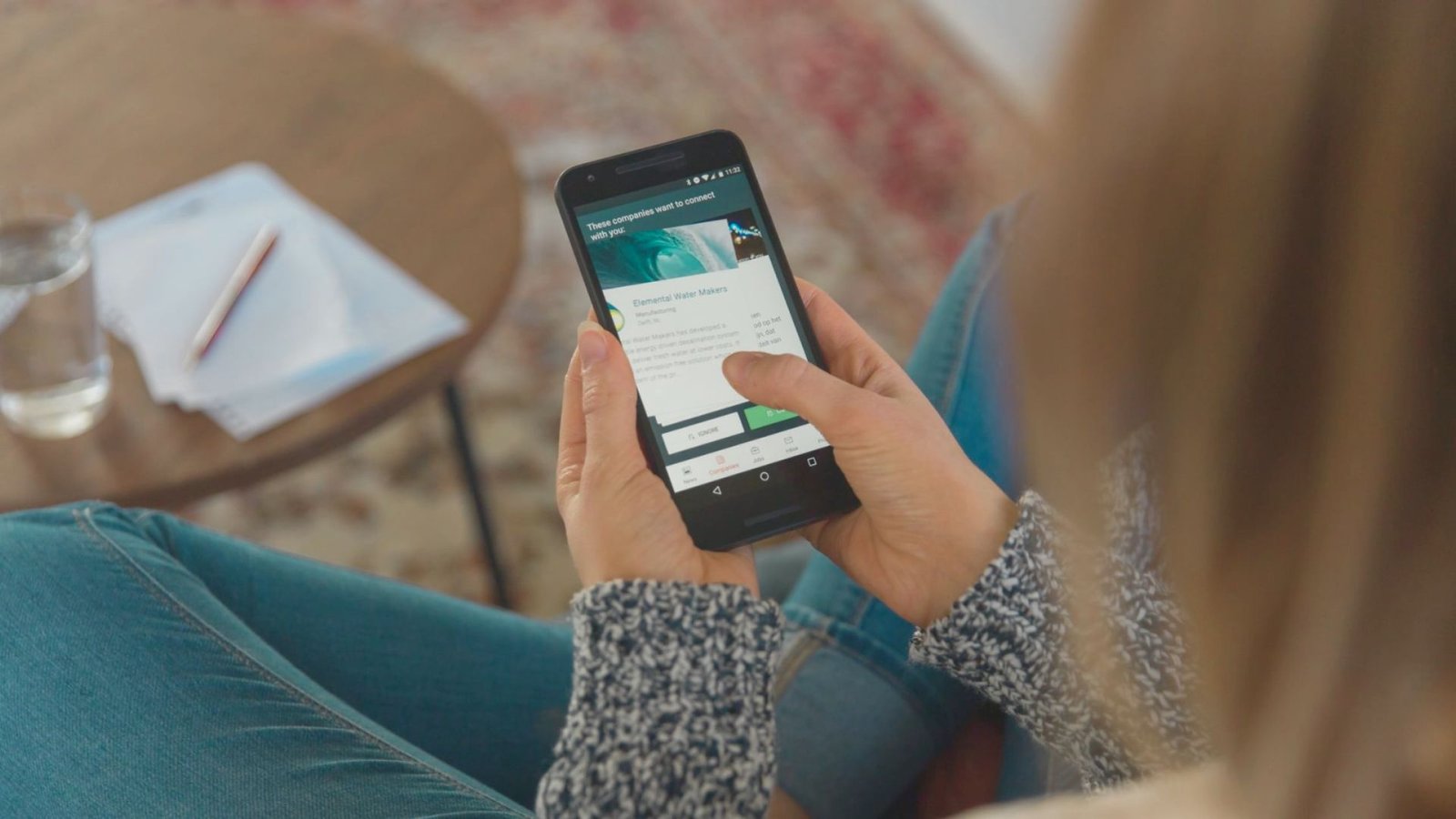
From textbooks to tutorials, everything a student needs is just a tap away.
Students can open digital textbooks, download PDFs, and log into platforms like Khan Academy or Google Classroom within seconds. No more waiting to get home to a desktop.
2. Improved Communication Between Students and Teachers

Smartphones make it easier for students to stay connected with teachers beyond the classroom.
Through emails and messaging apps, students can ask questions, submit work, and get feedback after school hours.
Students who hesitate to speak up in class often find it easier to reach out through a message.
3. Support for Online and Remote Learning

When the classroom is not an option, smartphones keep learning going.
When remote learning took over, smartphones kept millions of students connected. Recorded lectures and virtual classrooms meant learning could happen anywhere, at any time.
The benefits of smartphones in modern student learning are clearest when the classroom is not an option.
4. Better Organization and Time Management
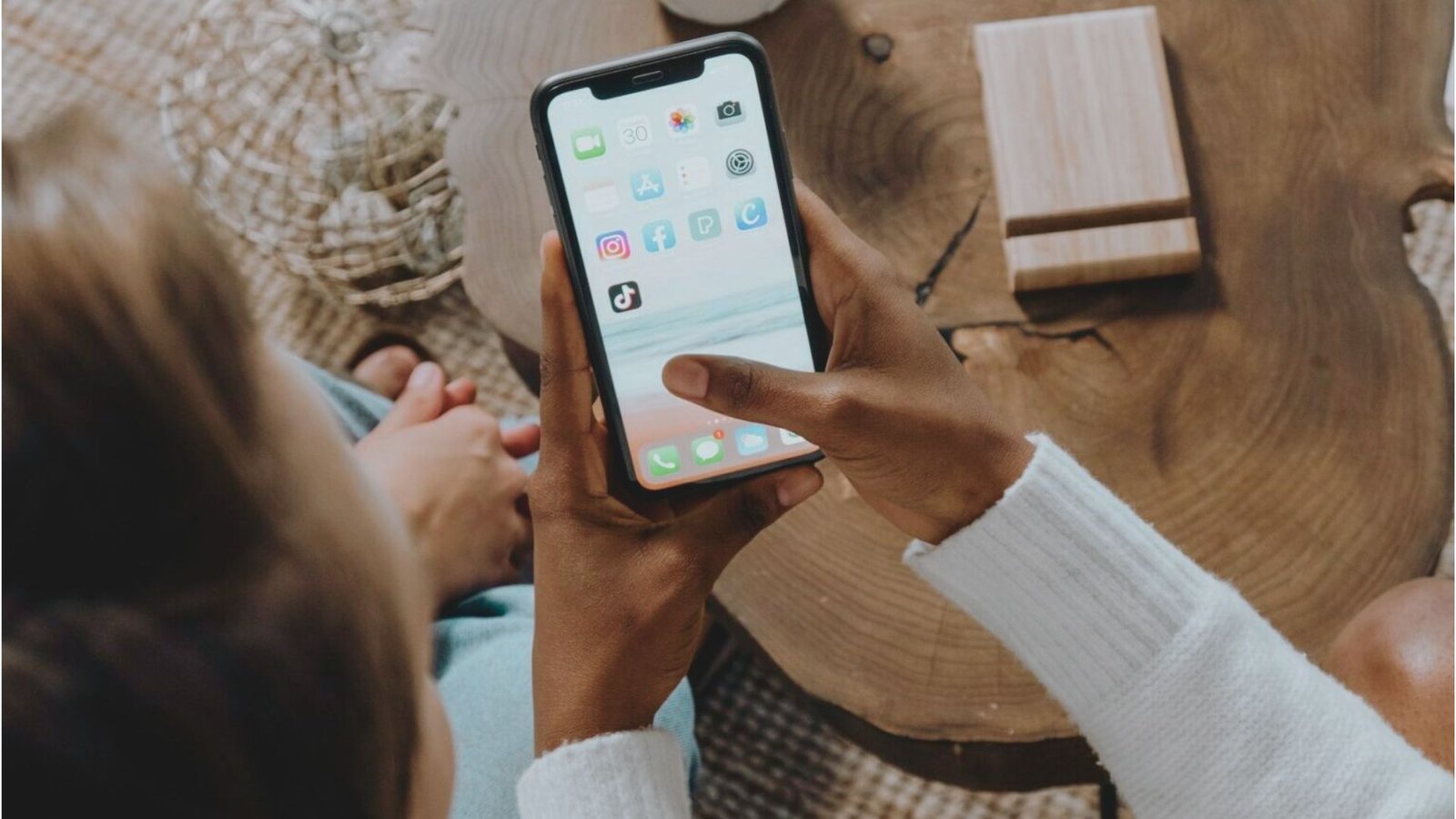
Staying on top of deadlines and exams gets a lot easier with the right apps.
Calendars, reminders, and task apps like Todoist or Notion help students track deadlines and exams without the stress of forgetting.
For college students balancing classes, jobs, and personal life, that structure makes a real difference.
5. Improved Research and Information Access
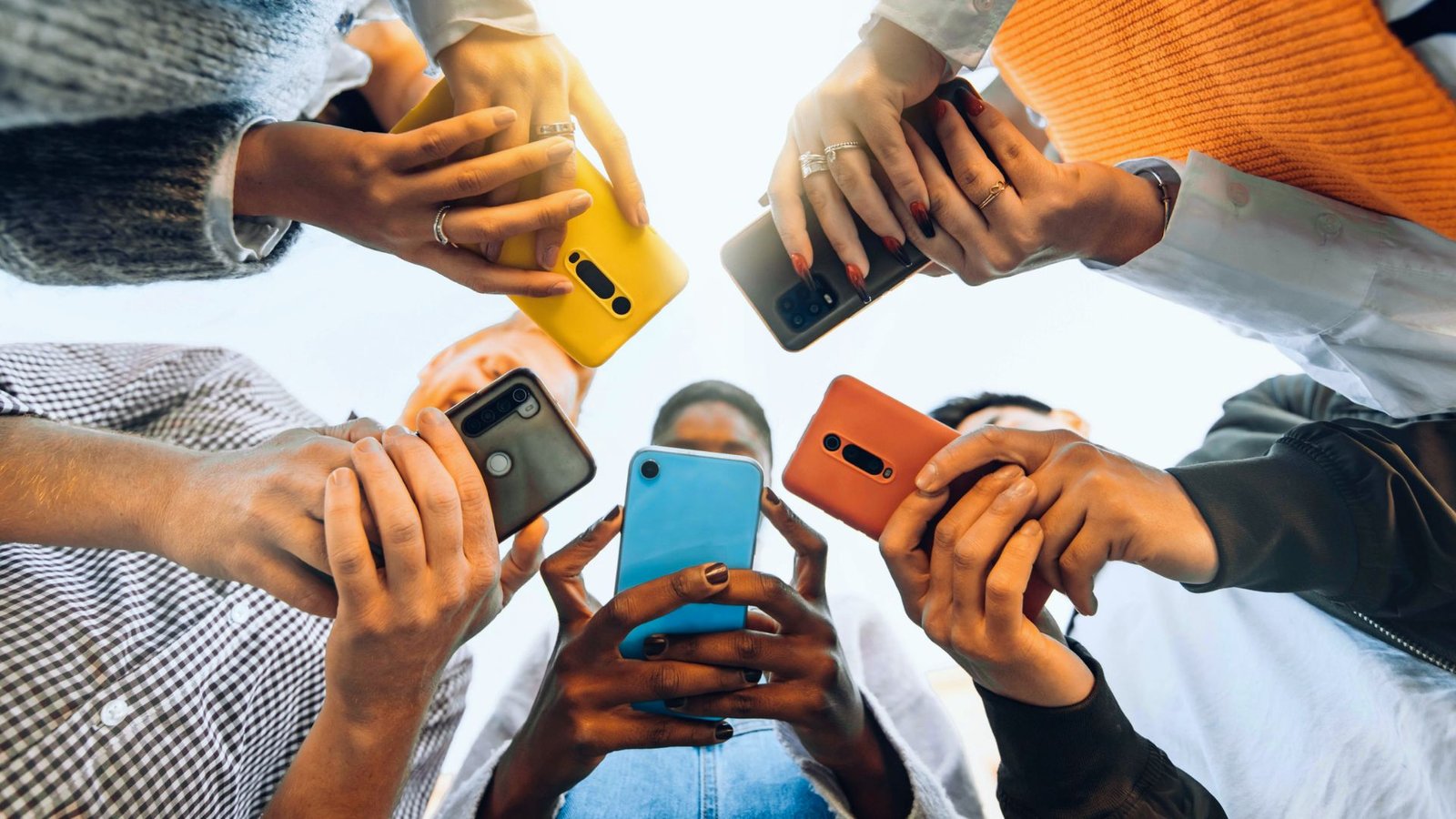
Everything a student needs to find answers fast is already in their pocket.
Research has also become faster. Search engines, YouTube tutorials, and academic databases are all within reach.
Quick access to facts and examples makes essay writing and problem-solving more efficient.
6. Personalized Learning Experience
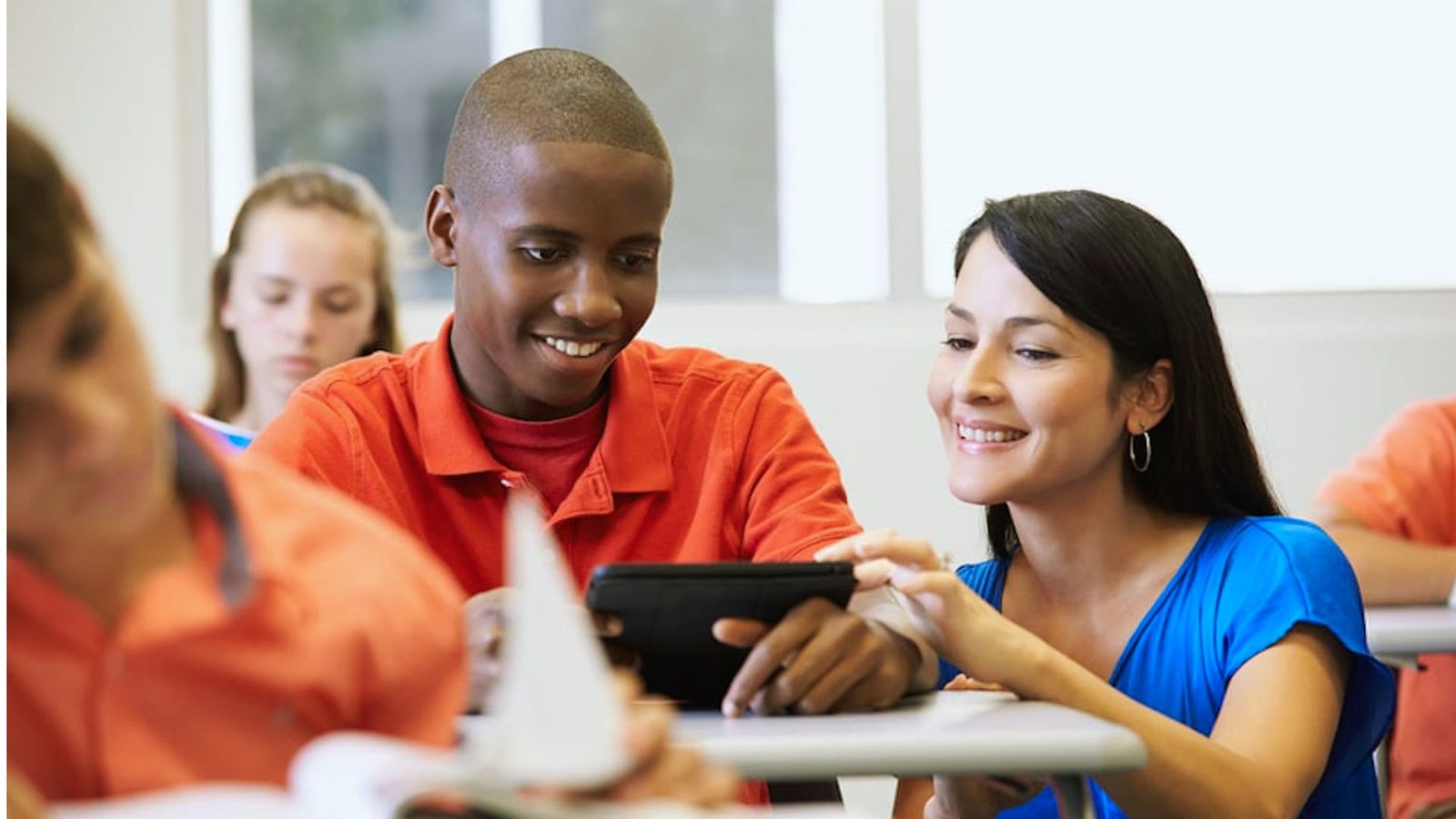
Not every student learns the same way, and smartphones make room for that.
Apps like Quizlet, Photomath, and Duolingo let students practice at their own pace and focus on what they find hardest.
The intended benefits of smartphones for education include making learning feel more personal and less overwhelming.
7. Multitasking and Productivity
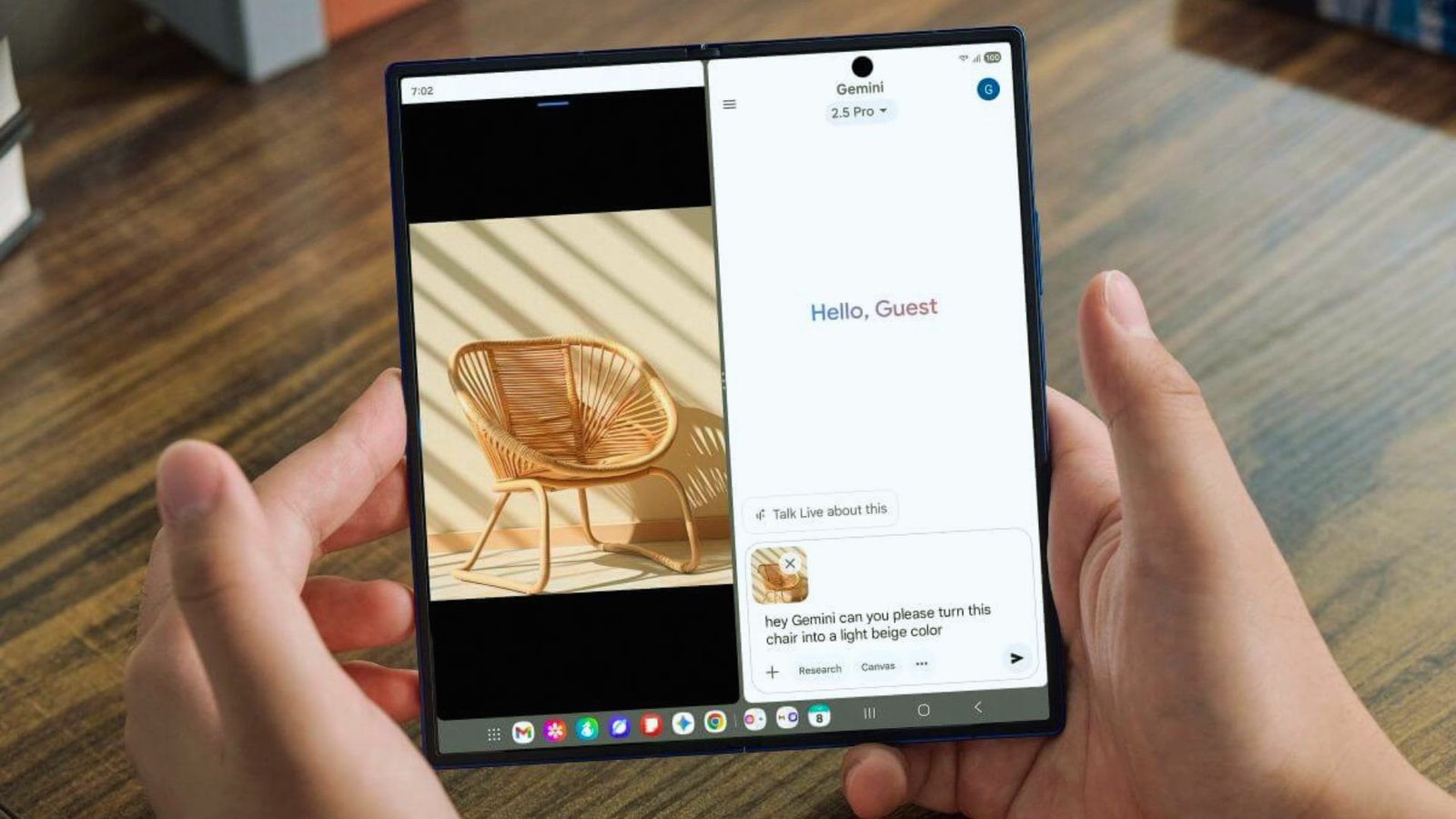
Small moments throughout the day add up when you have the right tool in hand.
Replying to emails on a commute, checking a schedule between shifts, or reviewing notes while waiting all add up over time.
Smartphones help students make the most of time that would otherwise go to waste.
8. Skill Development Beyond the Classroom

Daily phone use builds real skills that go well beyond what textbooks teach.
Digital literacy, creativity through video and photo tools, and real-time collaboration through Google Docs are all habits students build naturally through daily phone use.
These are skills employers now actively look for.
Smartphones, used with guidance, support learning and safety at every age.
9. Early Learning and Educational Apps
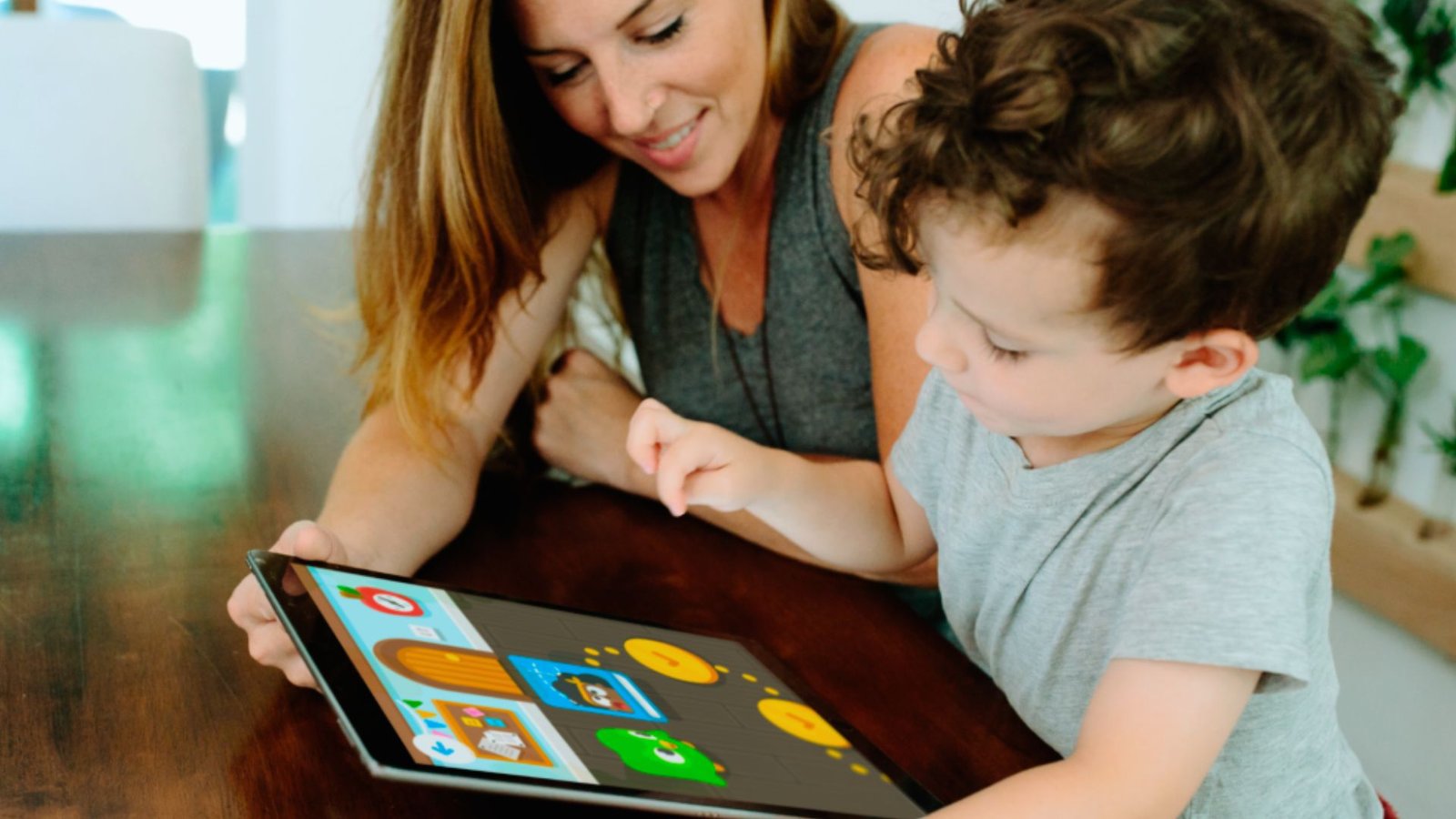
Learning starts early, and smartphones can make that process fun and effective.
Apps like ABCmouse and PBS Kids make learning feel like play for younger children. Short, guided sessions with parents can build strong foundational skills early on.
Benefits of Smartphones Beyond Education

Smartphones support students well beyond the classroom, from health to career readiness.
Taking care of your mental and physical health has never been more accessible for students. Mental health apps like Headspace and Calm help manage stress.
Telehealth access means students can speak with a doctor or counselor through a video call without missing class.
The habits students build on their phones today are the skills employers will look for tomorrow.
Managing emails, using collaboration tools, and staying organized are all habits students develop through regular phone use.
The benefits of smartphones in the workplace start well before graduation.
Tips for Using Smartphones Effectively for Learning
A few simple habits can make your phone a much better study tool.
- Turn off non-essential notifications during study time. Focus apps like Forest or Freedom help block distracting apps when you need to concentrate.
- Choose learning apps carefully. Look for ones with clear goals and good reviews that match your actual coursework.
- Set screen-time limits. Most phones have built-in trackers that show where your time goes. Use that data to make smarter choices.
- Follow your school’s device policies. Respecting those rules keeps phones available as a learning tool for everyone.
- Keep your phone charged and organized. Delete unused apps, organize your home screen by purpose, and make sure your go-to study tools are always easy to find.
Conclusion
I’ve seen how much easier studying gets when you use your phone with real purpose. The benefits of smartphones in modern student learning go beyond convenience.
They support how you learn, plan, and grow every single day. But none of that happens without balance. A phone used with intention is a powerful tool. A phone used without boundaries is just a distraction.
Start small. Pick one study app, set one boundary, and build from there. The results will follow.
Found this helpful?
Leave a comment below, share it with a classmate, or check out our other study tips for more practical advice.
Frequently Asked Questions
What are the benefits of smartphones for students?
Smartphones give students quick access to study materials, help with organization, and support communication with teachers. They make learning more flexible and accessible throughout the day.
Are smartphones useful in schools?
Yes, smartphones support classroom learning through digital resources and communication tools. When used responsibly, they work well alongside traditional teaching methods.
What are some intended benefits of smartphones in education?
They are meant to support equal access to information, encourage independent learning, and help students stay connected to coursework outside school hours.
Do smartphones improve learning outcomes?
When used with purpose for academic tasks, smartphones can improve research skills, organization, and overall study habits. Intentional use is what makes the difference.
Are smartphones beneficial for children and teenagers?
Yes, with proper guidance and parental controls, smartphones can support early learning, safe communication, and digital skill building at every age.