
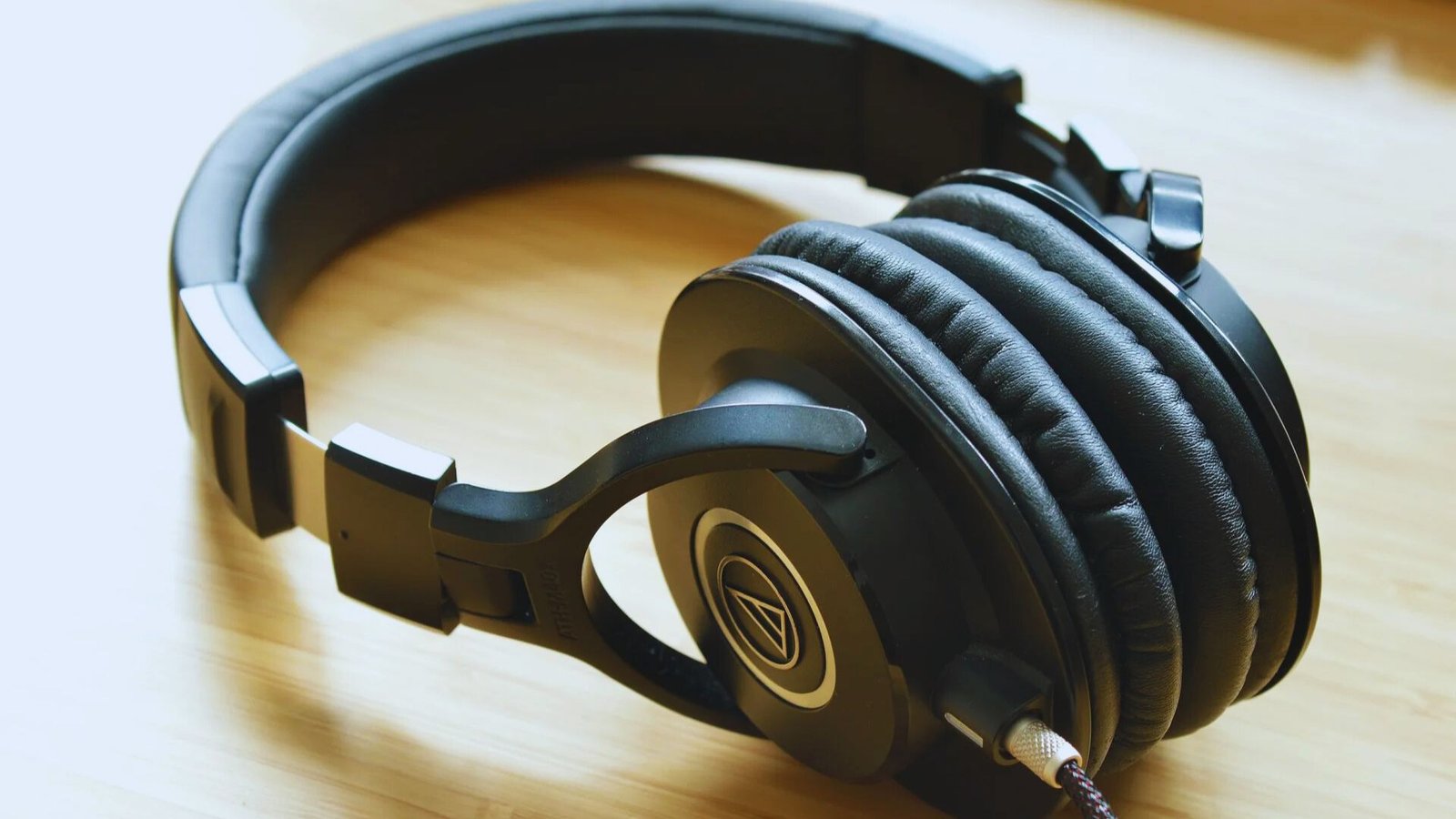
I’ve spent years researching audio gear, and one thing is clear headphone technology shapes how we hear everything. This article breaks down how headphones work, how they’ve changed over time, and what’s new in 2026.
If you’ve ever felt confused about which pair to buy or why some sound so much better than others, you’re in the right place.
I’ll cover the science, the history, driver types, and real tips to help you choose wisely. With over a decade in audio research, I know what actually matters.
Let’s get into it.
Understanding Headphone Technology
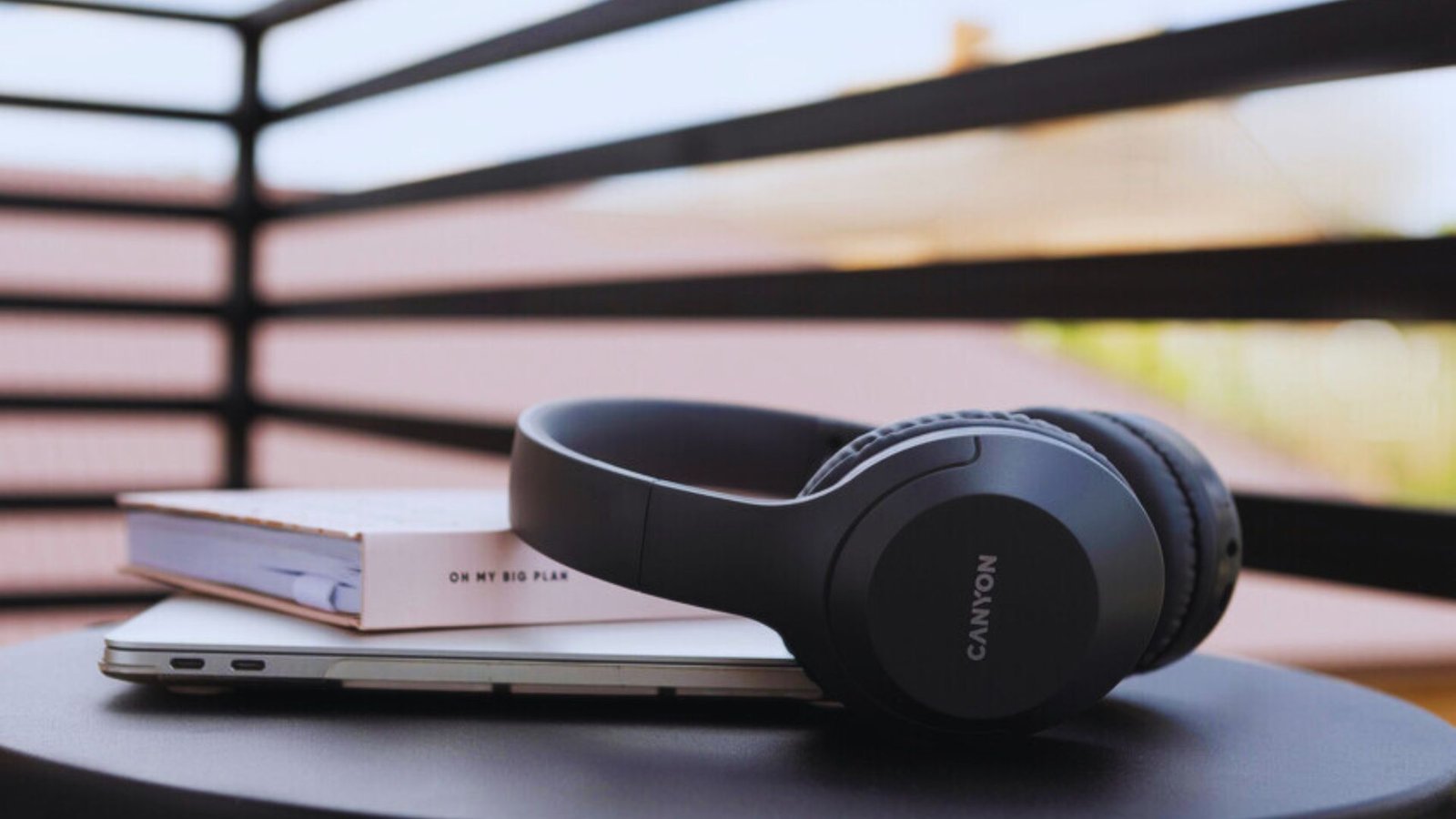
Headphone technology covers everything that goes into making sound come out of a small device sitting on your ears. At the core is the driver, a component that converts electrical signals into sound waves. The size, material, and design of the driver directly affect how music sounds to you.
Beyond the driver, there are different physical designs including over-ear, on-ear, and in-ear. Each one handles sound differently. Some wrap around your ears for deep sound isolation, while others sit lightly on top for a more casual fit.
Headphones are used across a wide range of settings, from casual music listening and gaming to studio recording, virtual reality, and even medical and military communication. Each use case demands something different from the technology inside.
The goal, however, stays the same across all of them: reproduce sound as accurately and clearly as possible for whatever the listener needs.
Evolution of Headphones
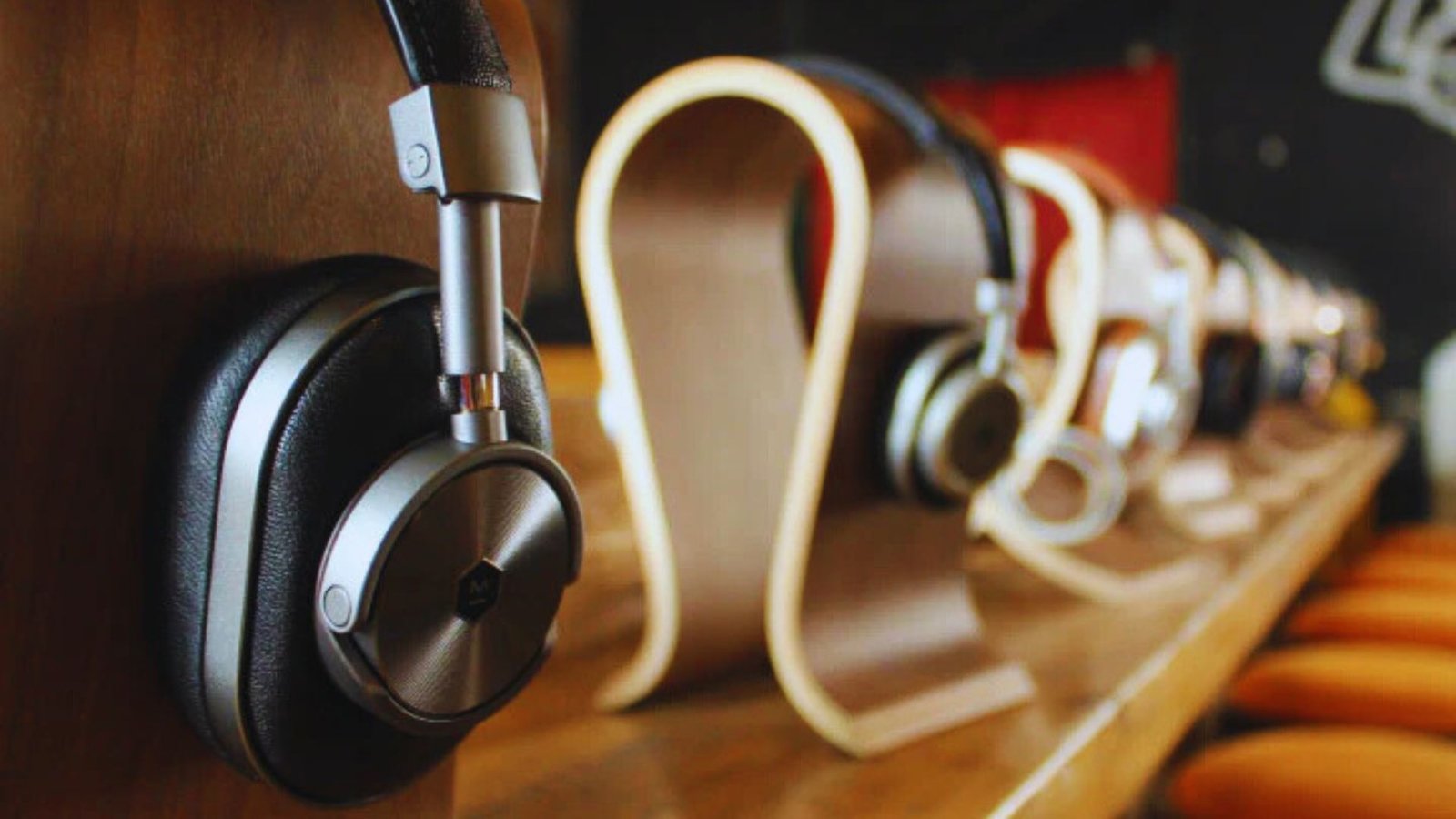
From military tools to everyday audio gear, headphones have come a long way.
Early Innovations
Headphones did not start as a music product. They were first used in military and telecommunications in the late 1800s. Operators wore early versions to receive signals through telephone lines. In 1910, Nathaniel Baldwin handmade the first modern-style headphones in his kitchen.
The U.S. Navy bought them almost immediately. Over the following decades, headphones moved from offices and military bases into homes. By the 1950s and 60s, high-fidelity home audio made headphones popular among everyday music lovers.
Modern Driver Types
As the technology grew, so did the types of drivers inside headphones. New headphone technology brought three major driver types into the mainstream. Dynamic drivers are the most common, using a magnetic field and a moving coil to push air and create sound.
Planar magnetic drivers spread sound-producing elements across a flat surface, creating more even reproduction with less distortion.
Electrostatic drivers use electrically charged films to produce very fine detail but require special amplifiers and cost more. Each type improved sound fidelity in its own way.
Latest Advancements in Headphone Technology 2026

The newest developments in headphones are making audio more accurate, comfortable, and connected than before.
Digital Audio and Design Optimization
The rise of MP3 and digital audio changed how headphones were built. Companies had to design headphones that sounded good even with compressed audio files. This pushed engineers to improve clarity at every frequency range.
Today’s latest headphone technology focuses on active noise cancellation using microphones and signal processing. Ergonomic designs now reduce ear fatigue during long use. Wireless connectivity with low latency has become standard, and foldable compact forms make headphones easy to carry anywhere.
Noise-canceling headphones now use real-time audio processing to block outside sounds. This was once only available in aviation gear. Now it’s a common feature in everyday consumer products.
Driver and Material Innovations
Materials have changed significantly. Newer driver membranes use beryllium, carbon fiber, and polymer composites. These materials are stiffer and lighter, which helps a driver respond faster to quick sounds.
Hybrid drivers combine dynamic and balanced armature designs inside a single in-ear monitor, giving deep bass from the dynamic driver and clear highs from the armature driver all in one unit. AMT (Air Motion Transformer) drivers fold a thin membrane like a fan.
When it moves, it pushes air much faster than traditional drivers. This improves high-frequency detail and transient response, making instruments sound more natural and immediate.
Headphones for Different Applications
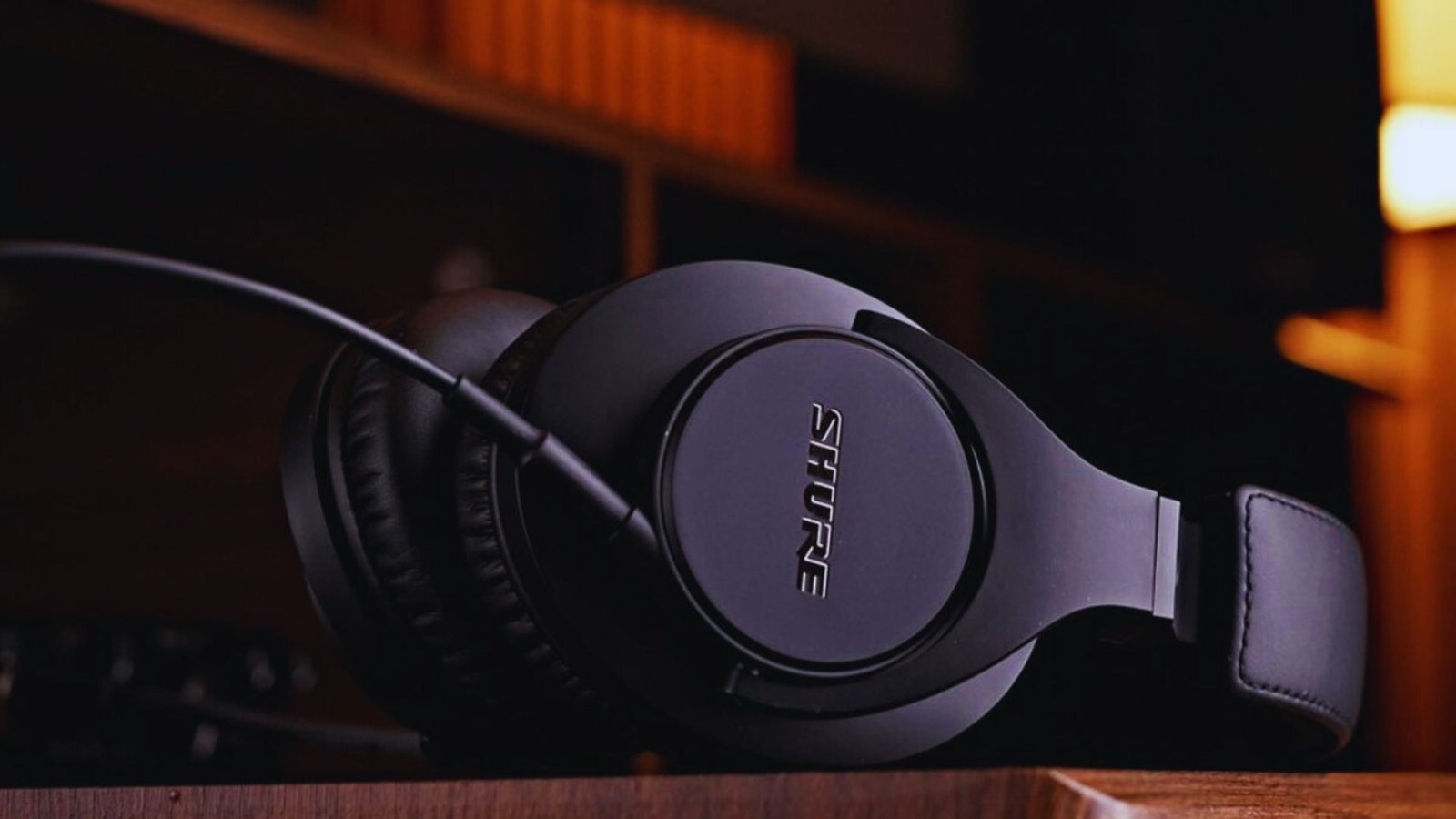
Different listening needs call for different headphone designs. Knowing which one fits your use case saves you time and money.
Over-Ear, On-Ear, and In-Ear
Over-ear headphones sit around the ears and create a seal. They are better for long sessions because they don’t press directly on the ears, and professionals in recording studios often prefer them for this reason.
On-ear headphones rest on top of the ear and are lighter and more portable but can cause discomfort during extended use. In-ear headphones sit inside the ear canal and are compact and great for workouts or commuting.
High-end in-ear monitors used by musicians can match the detail of over-ear studio headphones.
Open-Back vs Closed-Back
Open-back headphones have perforated ear cups that allow sound to pass in and out freely, creating a wide, natural soundstage that feels more like listening to speakers in a room. They work well for spatial audio research and critical listening at home.
Closed-back headphones seal the ear completely, keeping outside noise out and sound inside. The Sennheiser HD 560S is a popular open-back model used for audiophile listening. The Sony MDR-7506 is a trusted closed-back option used widely in broadcast studios.
Headphone Technology in Spatial Audio and Professional Use
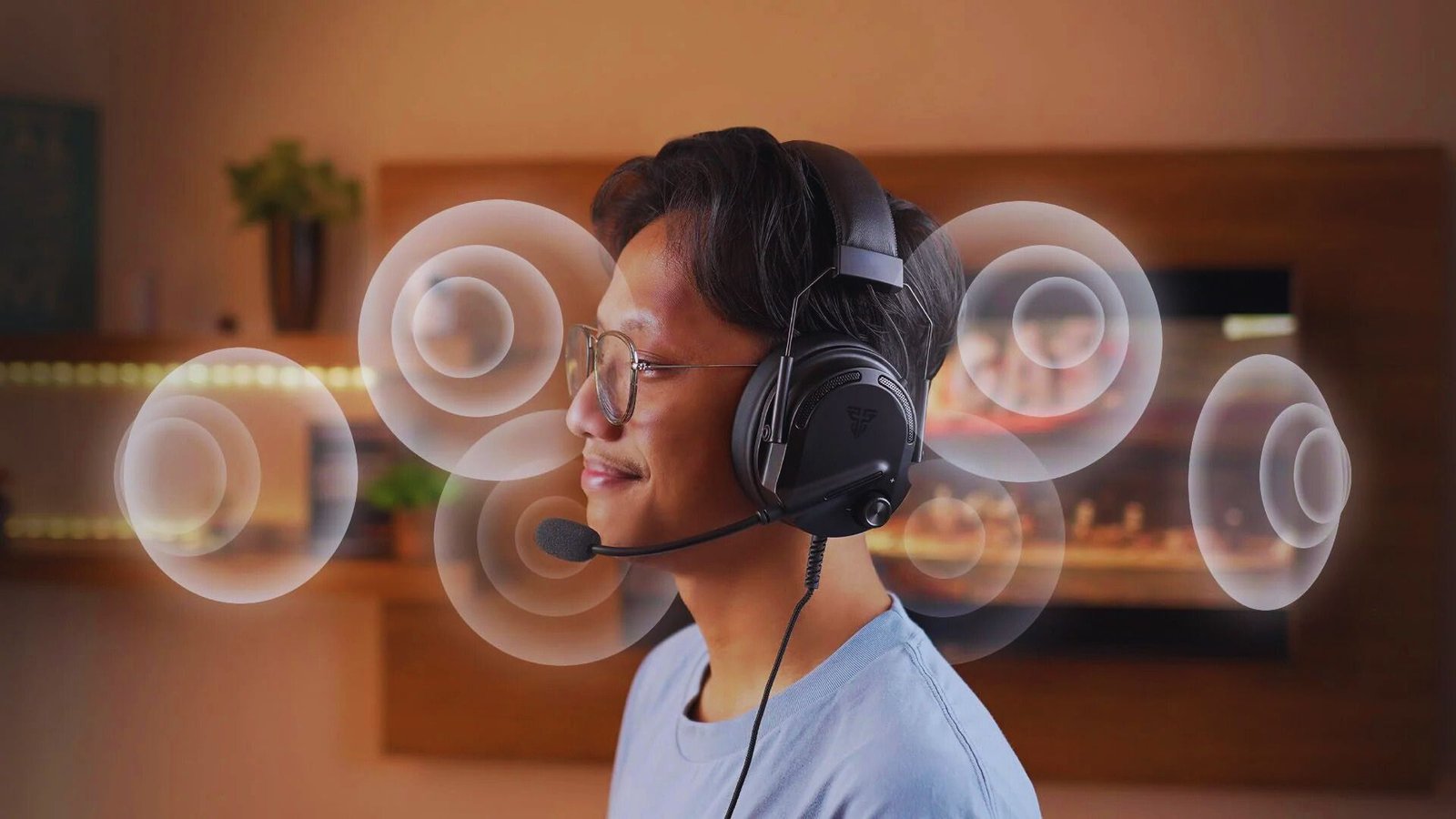
Accurate headphones are important for professional work and for getting the most out of spatial audio formats.
Importance of Accurate Frequency Response
Frequency response tells you how a headphone handles different sound pitches. A flat frequency response means the headphone doesn’t boost or cut any frequencies artificially. This is critical in professional mixing because engineers need to hear exactly what’s in the audio.
For spatial audio and immersive formats like Dolby Atmos, headphones need to reproduce subtle directional cues. If the frequency response is off, the 3D effect falls apart.
Choosing the Right Headphone
According to industry reports on headphone technology 2026, demand for high-accuracy headphones is growing in both consumer and professional markets. Studios, podcasters, game developers, and audiophiles are all looking for better performance.
Matching driver type and design to your work is key. A mixing engineer needs flat response and isolation. A gamer needs a wide soundstage. A commuter needs portability and noise cancellation.
Tips for Choosing the Right Headphones
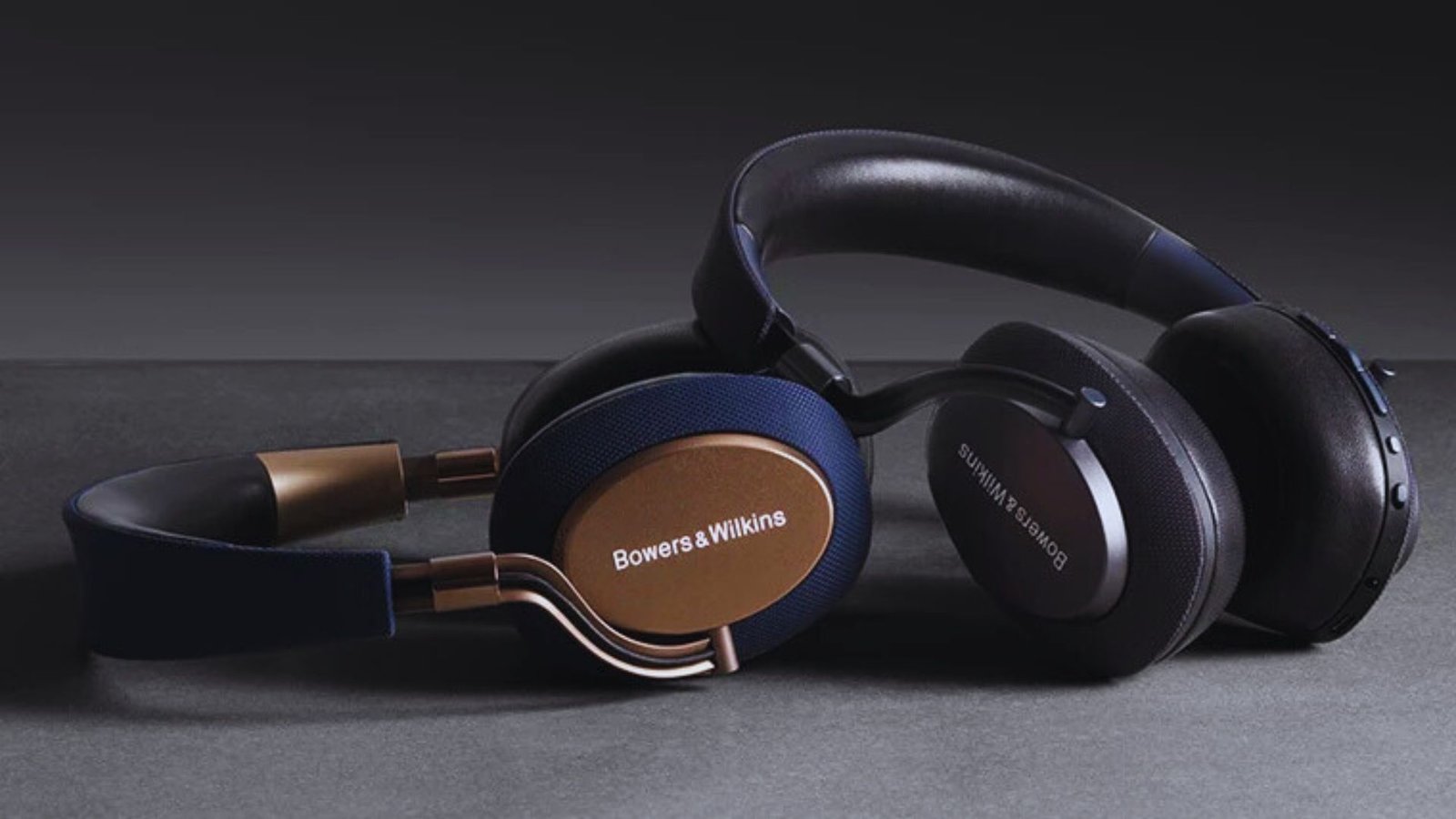
Simple, practical guidance to help you pick the right pair without overthinking it.
- Driver type matters. Dynamic drivers suit everyday use. Planar magnetic works better for critical listening. Electrostatic is for serious audiophiles with dedicated equipment.
- Open vs closed depends on your setting. Use open-back at home for natural sound. Use closed-back in noisy spaces or studios.
- Check the impedance rating. High-impedance headphones need a strong amplifier. Low-impedance models work fine with phones and laptops.
- Look at sensitivity ratings. Higher sensitivity means louder output from the same device.
- Comfort is not optional. Check ear pad material and headband padding before buying, especially for long listening sessions.
Conclusion
I remember picking my first pair of studio headphones and feeling completely lost by all the specs. Now I understand what actually matters, and I hope this breakdown helped you feel the same way.
Headphone technology has grown from simple phone receivers to precision audio tools used by professionals worldwide.
The right pair can truly change how you hear music, mix audio, or enjoy a game. If this article helped you, share it with someone who’s searching for the right headphones.
Drop a comment below with your questions. I’d love to hear from you.
Frequently Asked Questions
What is the main purpose of headphone technology?
Headphone technology converts electrical audio signals into sound waves. It aims to reproduce audio as accurately and comfortably as possible for different uses.
What is the difference between dynamic and planar magnetic drivers?
Dynamic drivers use a moving coil inside a magnetic field. Planar magnetic drivers spread the sound-producing surface across a flat membrane for more even, detailed output.
Are open-back headphones better than closed-back headphones?
Neither is better overall. Open-back gives a wider, more natural sound for home listening. Closed-back provides isolation, which is better for recording studios or noisy places.
What does active noise cancellation actually do?
Active noise cancellation uses small microphones to detect outside sounds. The headphone then creates an opposing signal to cancel those sounds before they reach your ears.
How do I know if my headphones need an amplifier?
Check the impedance rating. If it’s above 150 ohms, a dedicated amplifier will give you better performance. Lower impedance headphones work fine with standard devices.