
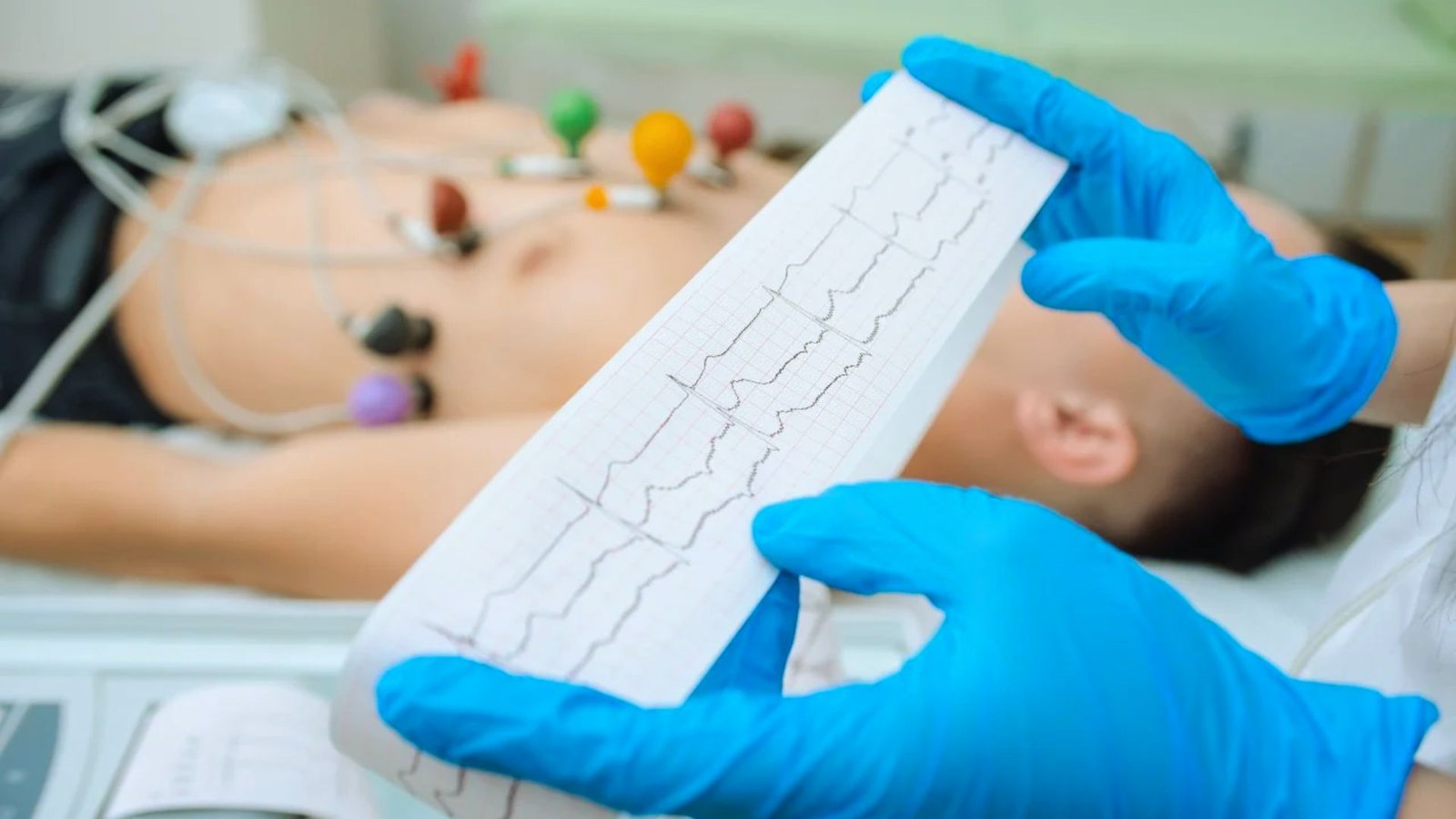
If you or someone you love has POTS, you know how unpredictable each day can feel.
I’ve spoken with people who’ve gone months without knowing why they felt dizzy every time they stood up.
This guide covers postural orthostatic tachycardia syndrome medical devices, from home monitors to wearables and compression tools.
I’ll walk you through what each device does, how it helps, and what to look for. You don’t need a medical background to understand this. By the end, you’ll feel confident about your options.
What Is Postural Orthostatic Tachycardia Syndrome?
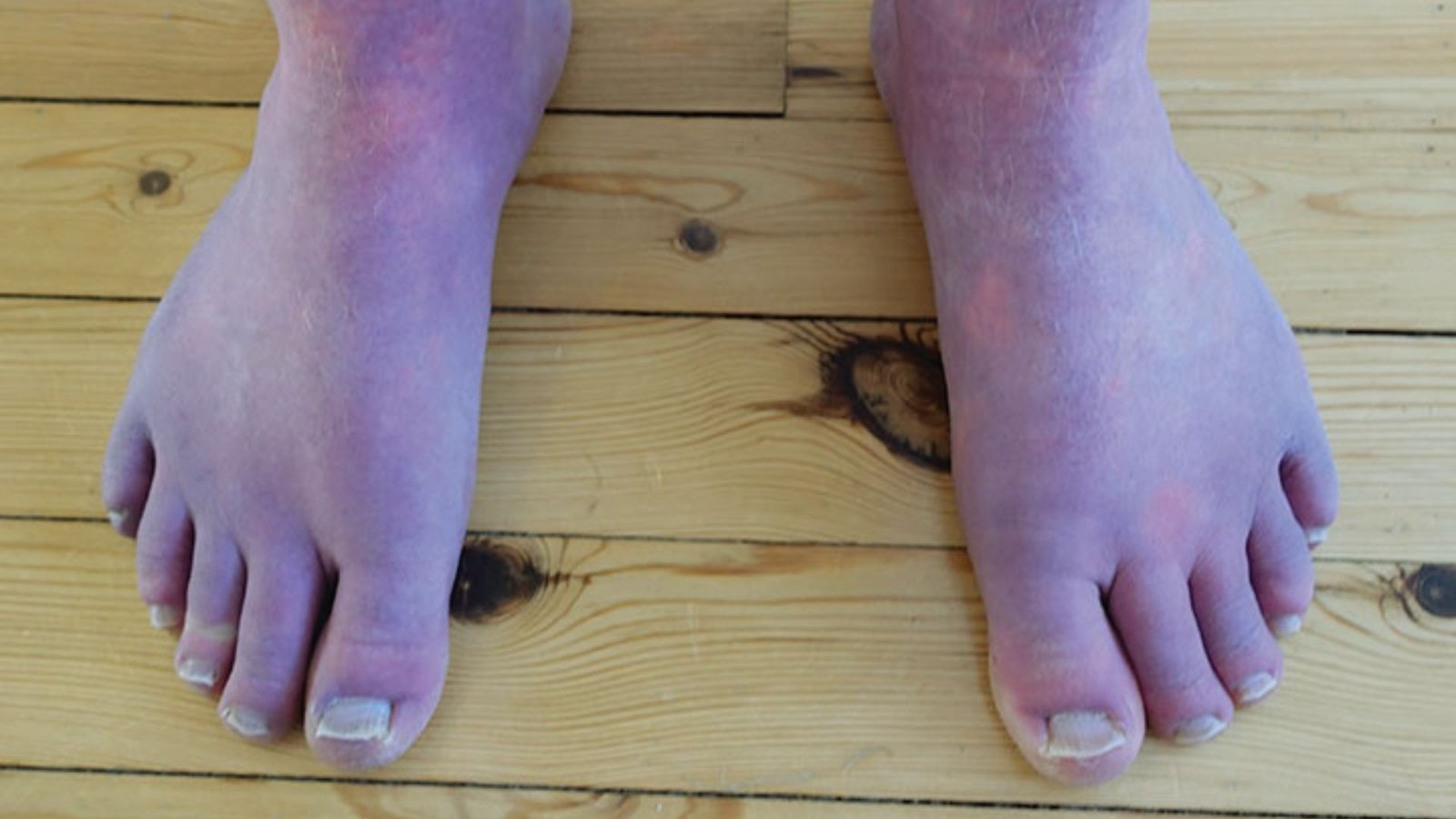
POTS is a nervous system condition that causes the heart to race when a person stands up. Heart rate jumps by 30 or more beats per minute within ten minutes of standing.
This happens because the autonomic nervous system fails to regulate blood flow properly during position changes.
Blood pools in the lower body, and the heart works harder to push it back up to the brain. Beyond heart rate, POTS also affects circulation, breathing, digestion, and energy levels.
The condition most commonly affects people between the ages of 15 and 50, with women diagnosed far more often than men.
Symptoms range from mild to severe, and no two cases look exactly the same. That is what makes consistent tracking and monitoring so important.
Why Medical Devices Are Important for POTS Patients

Devices play a key role in managing POTS by tracking heart rate changes and supporting more accurate, personalized care.
Managing POTS without data is like trying to solve a problem you can’t fully see. Symptoms shift daily based on sleep, food, stress, and activity.
A doctor seeing you a few times a year gets a very limited view of what your body is actually doing. Medical devices close that gap.
When you track heart rate, blood pressure, and oxygen levels consistently, patterns start to emerge.
You can see which activities make symptoms worse and how your body responds to treatment. That information helps your doctor make better decisions and helps you feel more in control of your day.
Wearable Medical Devices for POTS Management
Wearable devices allow continuous monitoring throughout the day, making it easier to spot patterns and identify triggers.
Smartwatches and Fitness Trackers for Heart Rate Monitoring
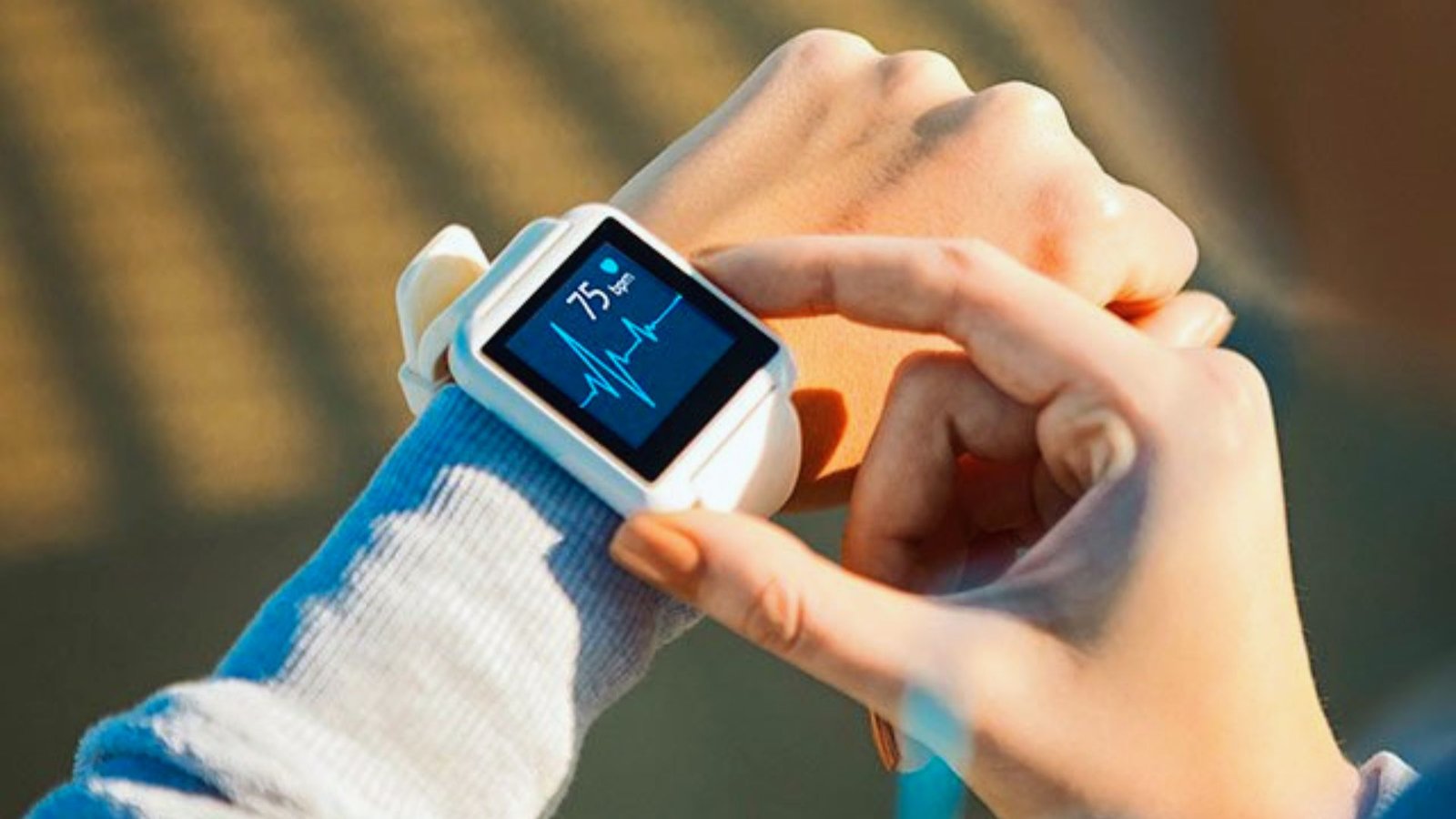
Consumer wearables offer a convenient way to keep an eye on heart rate without carrying extra equipment.
Devices like Apple Watch, Garmin, and Fitbit track heart rate continuously.
The most useful features for POTS include heart rate alerts, activity logs, sleep tracking, and data export for sharing with doctors. These don’t replace medical monitors but add helpful daily information.
Identifying Activity, Heat, and Stress Triggers With Wearables
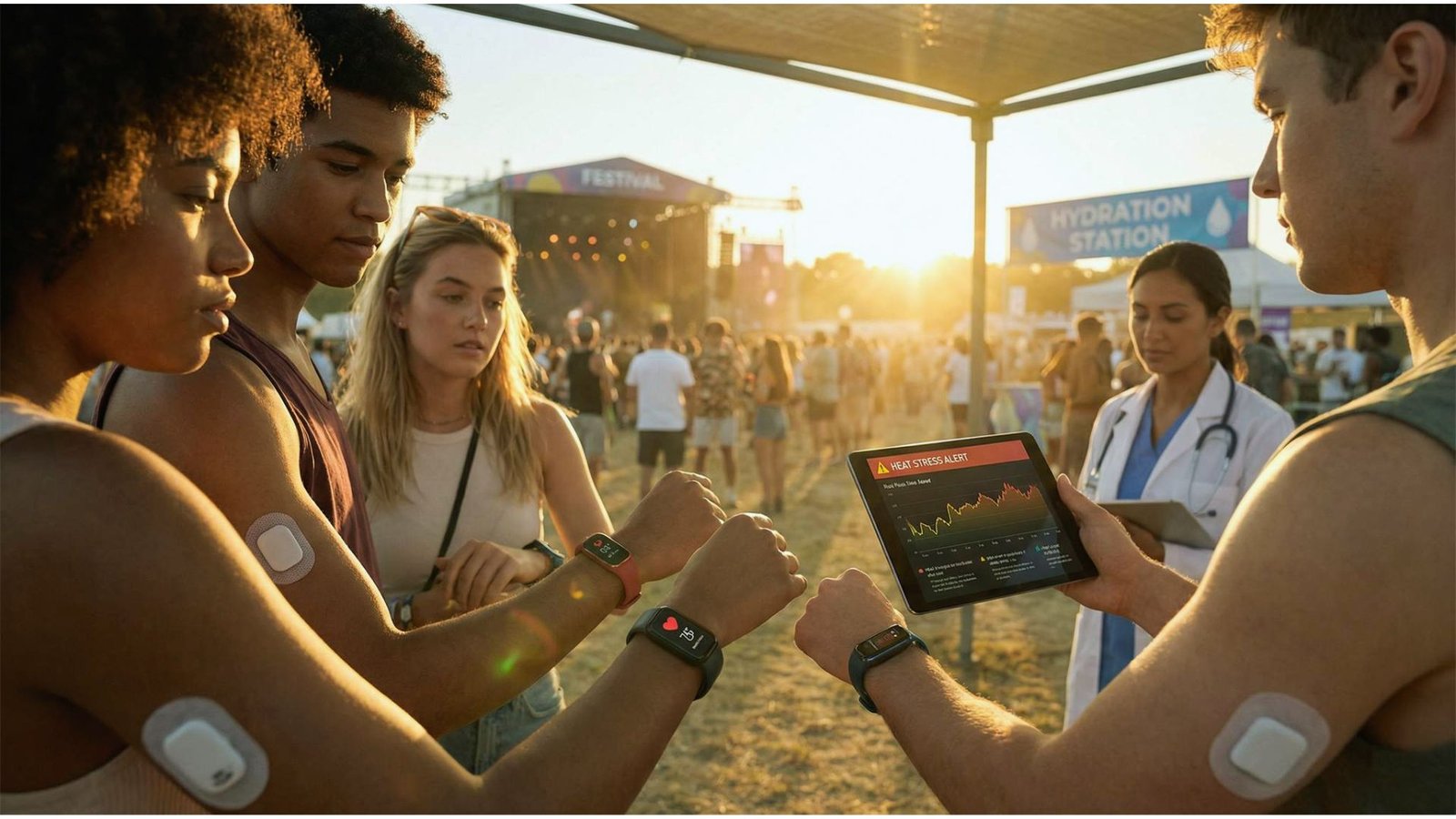
Wearable data can show you what your body was doing right before symptoms started.
Wearables show what was happening before a symptom spike.
You can track how your heart rate responds to exercise, how heat raises your baseline, and how long recovery takes after activity. This data helps you plan your day and report specific information to your doctor.
Advanced and Emerging Medical Devices for POTS
Newer technologies are expanding options for POTS patients, with research pointing toward more targeted solutions.
Neuromodulation and Vagus Nerve Stimulation Devices
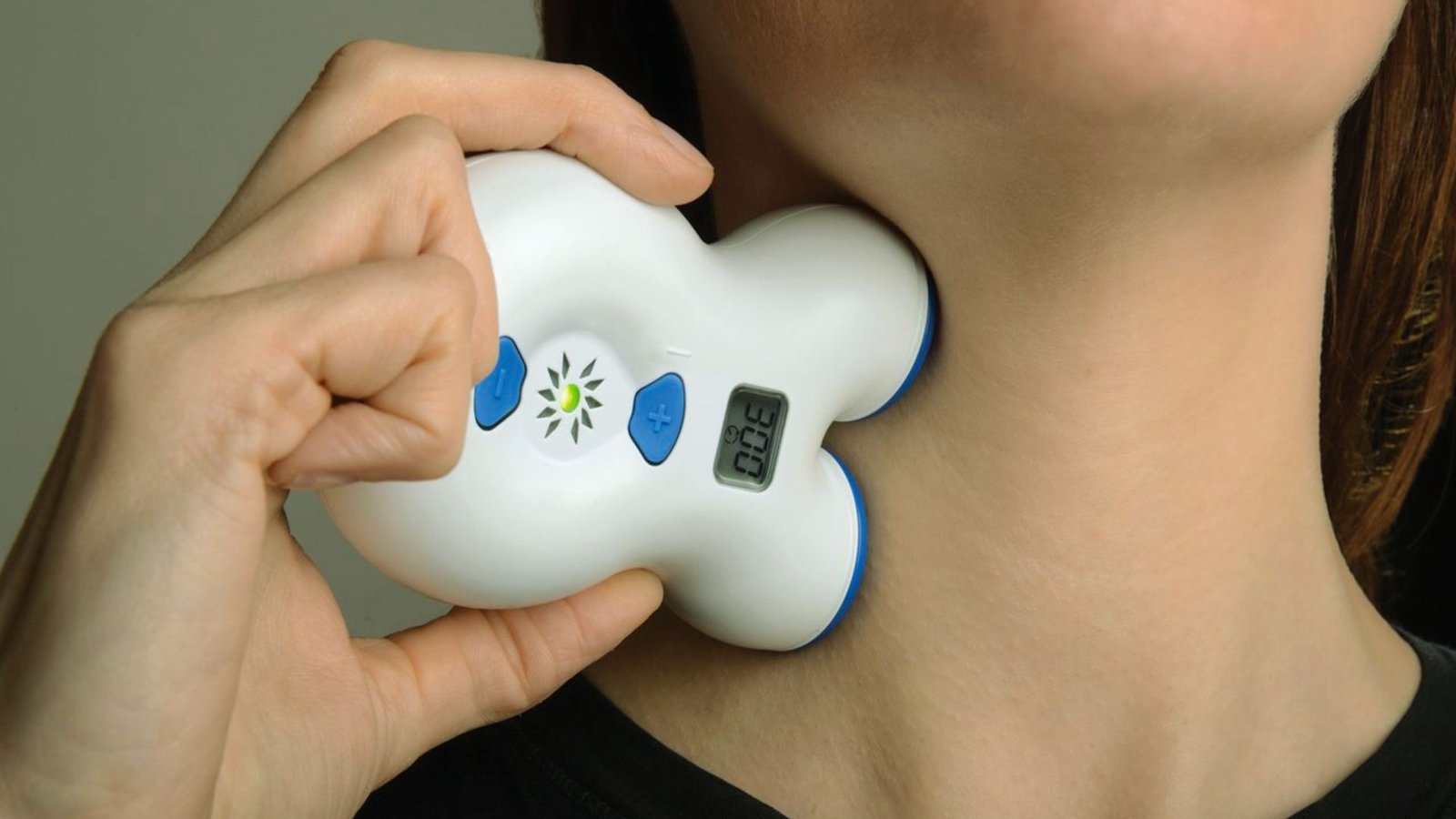
These devices target the nervous system directly to help reduce the autonomic instability behind POTS symptoms.
Vagus nerve stimulation devices deliver mild electrical impulses to help calm the autonomic nervous system.
Some non-invasive versions worn at the ear or neck are being studied for POTS use. Results are promising but always consult a specialist before trying one.
In-Ear and Head-Based Wearables for Blood Flow Monitoring
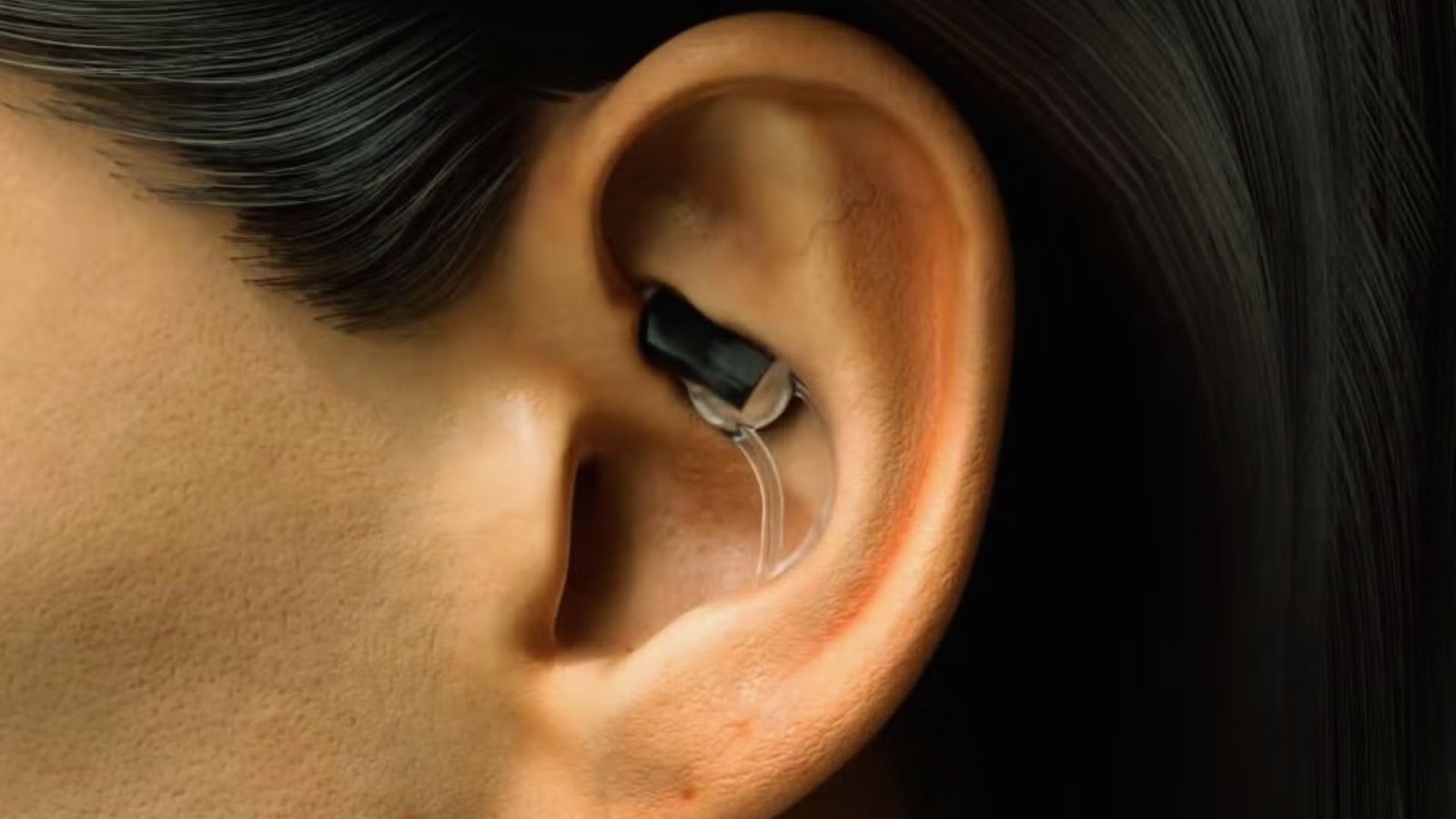
Sensors placed closer to major blood vessels can offer more precise readings than wrist-based devices.
Newer sensors placed in the ear or on the head can monitor blood flow more precisely than wrist-based devices.
These are still being tested in clinical settings and are not yet widely available for home use, but research is ongoing.
Benefits of Using Medical Devices for Daily Symptom Tracking
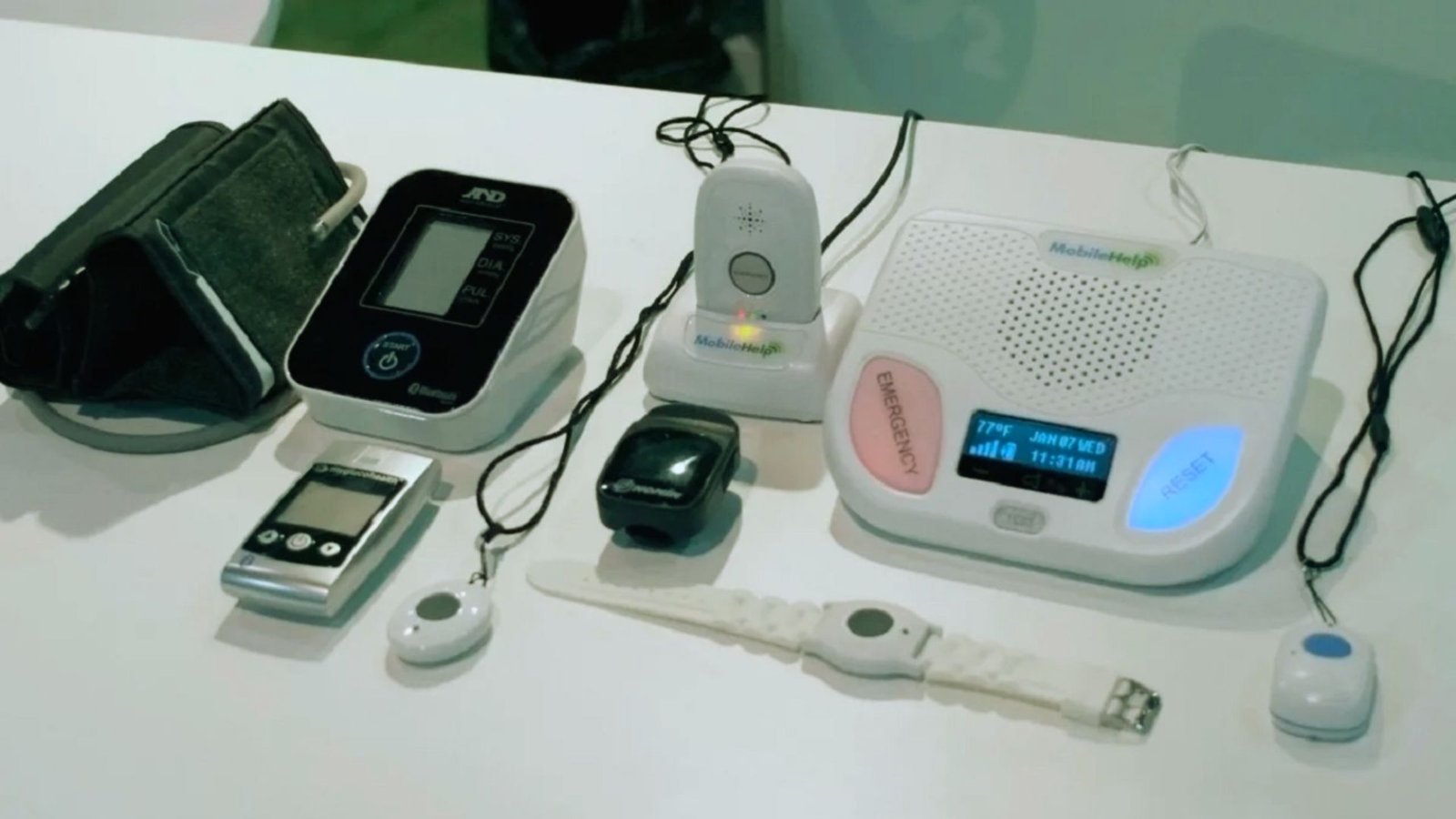
Regular device use gives patients real data to work with instead of relying on memory alone.
Identifying Triggers
Tracking daily patterns helps you spot which activities or times of day make symptoms worse.
POTS triggers are different for everyone. Some people feel worse after meals, others after standing in warm environments.
Device data helps you connect the dots between what you were doing and when symptoms spiked, so you can make smarter choices throughout the day.
Measuring Treatment Progress
Device data shows whether medications or lifestyle changes are actually making a difference.
Without consistent tracking, it is hard to know if a new medication or routine is helping.
Regular readings give you and your doctor something concrete to compare over weeks and months, making it easier to decide what to keep, adjust, or stop.
Detecting Worsening Trends Early
Consistent tracking helps you catch changes before they turn into a bigger health concern.
A single bad day doesn’t tell you much. But a pattern of rising heart rate readings or more frequent dizziness over two weeks is meaningful.
Catching that early gives your doctor a chance to step in before symptoms become harder to manage.
Reducing Emergency Visits
Real numbers help you decide when to seek care and when to manage symptoms at home.
One of the most stressful parts of POTS is not knowing when something is serious.
Having device readings on hand during a flare-up gives you and your care team real information to work with, which can reduce unnecessary trips to the emergency room.
Feeling More Informed and in Control
Understanding your own data builds confidence and makes doctor visits more productive.
POTS can feel overwhelming, especially in the early stages. Tracking your numbers regularly gives you a sense of agency.
You walk into appointments with actual data, ask better questions, and feel less like a passive patient and more like an active part of your own care.
Current Research on New POTS Technologies
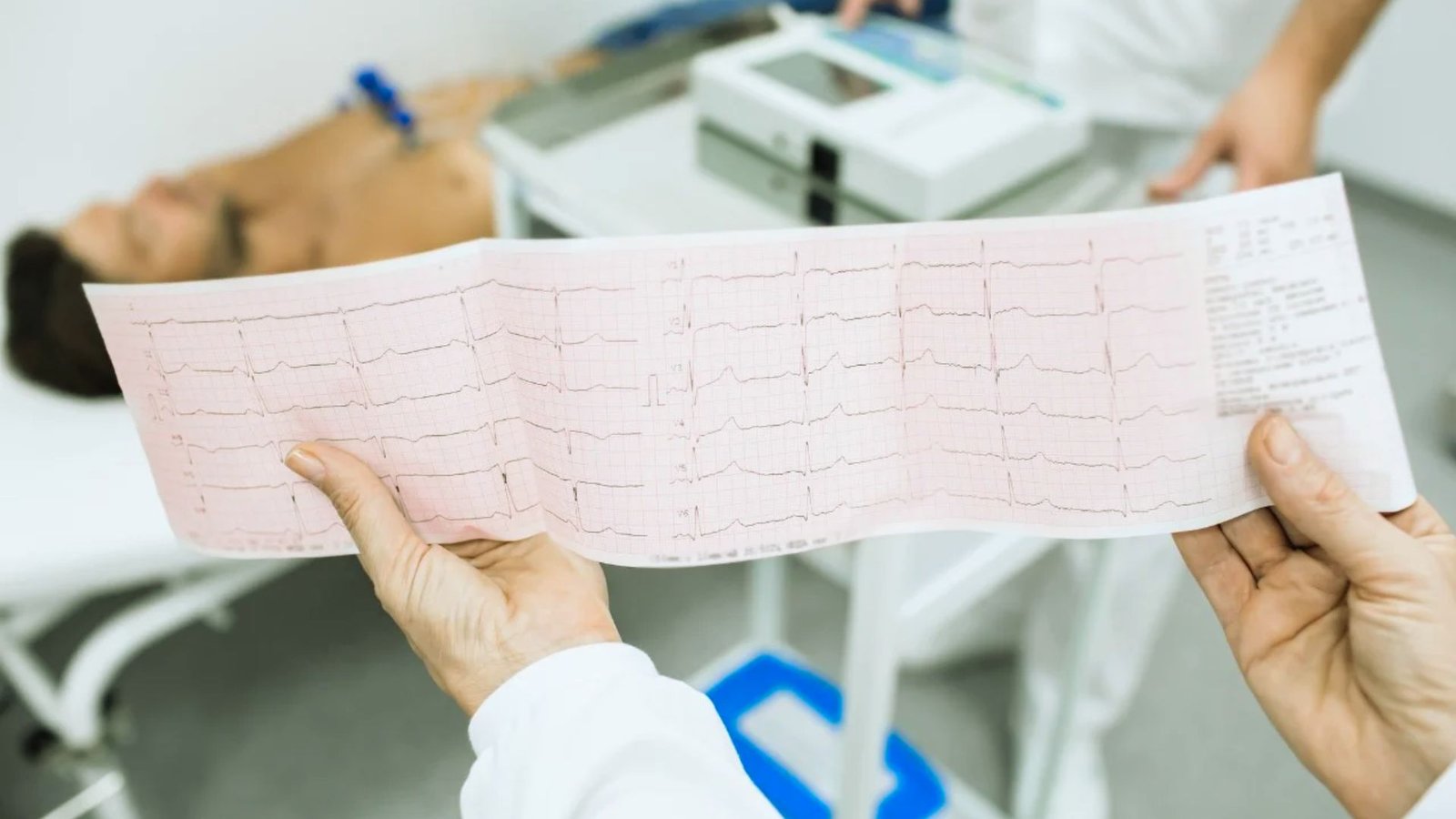
The next generation of POTS devices aims to bring clinical-level monitoring into everyday life.
Researchers are working on cuffless blood pressure monitors that track readings throughout the day without a traditional cuff.
Implantable sensors are being found to provide real-time autonomic data between appointments. AI-powered apps are also in development to detect patterns and predict flare-ups before they happen.
Portable tilt table testing devices for home use are another area of active research, which could make postural testing far more accessible.
While most of these technologies are still in development, the direction is encouraging.
Tips for Using Postural Orthostatic Tachycardia Syndrome Medical Devices
Getting consistent, meaningful data from your devices comes down to a few habits worth building from the start.
- Take readings at the same times each day, such as morning and evening, so your data stays consistent and easy to compare over time.
- Check heart rate and blood pressure lying down, sitting, and standing to capture how your body responds to position changes.
- Focus on patterns over days and weeks rather than reacting to a single high or low reading on a difficult day.
- Set specific times to check your devices and put them away afterward to avoid over-monitoring and unnecessary health anxiety.
- Keep a symptom diary alongside your device data, noting sleep, food, stress, and fluid intake to give your readings more context.
Conclusion
Living with POTS is not easy, but the right tools make a real difference.
Postural orthostatic tachycardia syndrome medical devices won’t fix everything, but they give you the information you need to take control.
Start with one device that fits your routine and build from there. If this helps, share it with someone who needs it.
And drop a comment telling me which device has worked best for you.
Frequently Asked Questions
Do POTS patients need to monitor blood pressure daily?
Not always, but regular readings help doctors track progress and catch changes before they become bigger problems.
Can medical alert systems help people with POTS?
Yes. Fall detection and GPS features are especially useful for those who faint often or spend time alone.
Do compression devices really help reduce POTS symptoms?
Yes. They reduce blood pooling in the legs and abdomen, which helps lower heart rate and ease dizziness when standing.
Are postural orthostatic tachycardia syndrome medical devices covered by insurance?
Some are. Doctor-prescribed devices are more likely to be covered, so ask your doctor for a formal prescription and check with your insurer.
How should device data be shared with doctors?
Export readings as a PDF or show app trends during appointments to help your doctor make informed decisions between visits.