
Some tech facts will genuinely stop you mid-scroll. Technology is everywhere. But how much do you really know about it?
I’ve spent hours reading about tech, and honestly, some facts left me speechless.
This article covers 11 facts about technology you probably didn’t know, the fun, the cool, and even the negative.
You’ll find interesting facts about technology from everyday life, education, addiction, and more. These are facts about technology that actually matter.
By the end, you’ll see tech in a whole new way.
What Makes Technology Facts So Interesting?

Technology touches everything we do, so learning something new about it always feels personal.
There’s something about learning a surprising tech fact that just clicks. Maybe it’s because we use technology every single day.
When you find out something unexpected about a device you hold in your hand for hours, it hits differently.
Interesting facts about technology grab attention because they connect to real life. They’re not abstract. They’re about your phone, your laptop, your habits.
Cool facts about technology also feed curiosity. Humans are wired to ask “why” and “how.” Tech facts answer those questions in ways that feel both personal and eye-opening.
That’s what makes people keep reading, keep sharing, and keep asking for more.
11 Facts About Technology You Probably Didn’t Know
These facts about technology are accurate, easy to understand, and show how deeply tech affects modern life.
Fact 1: Smartphones Are More Powerful Than Early Supercomputers
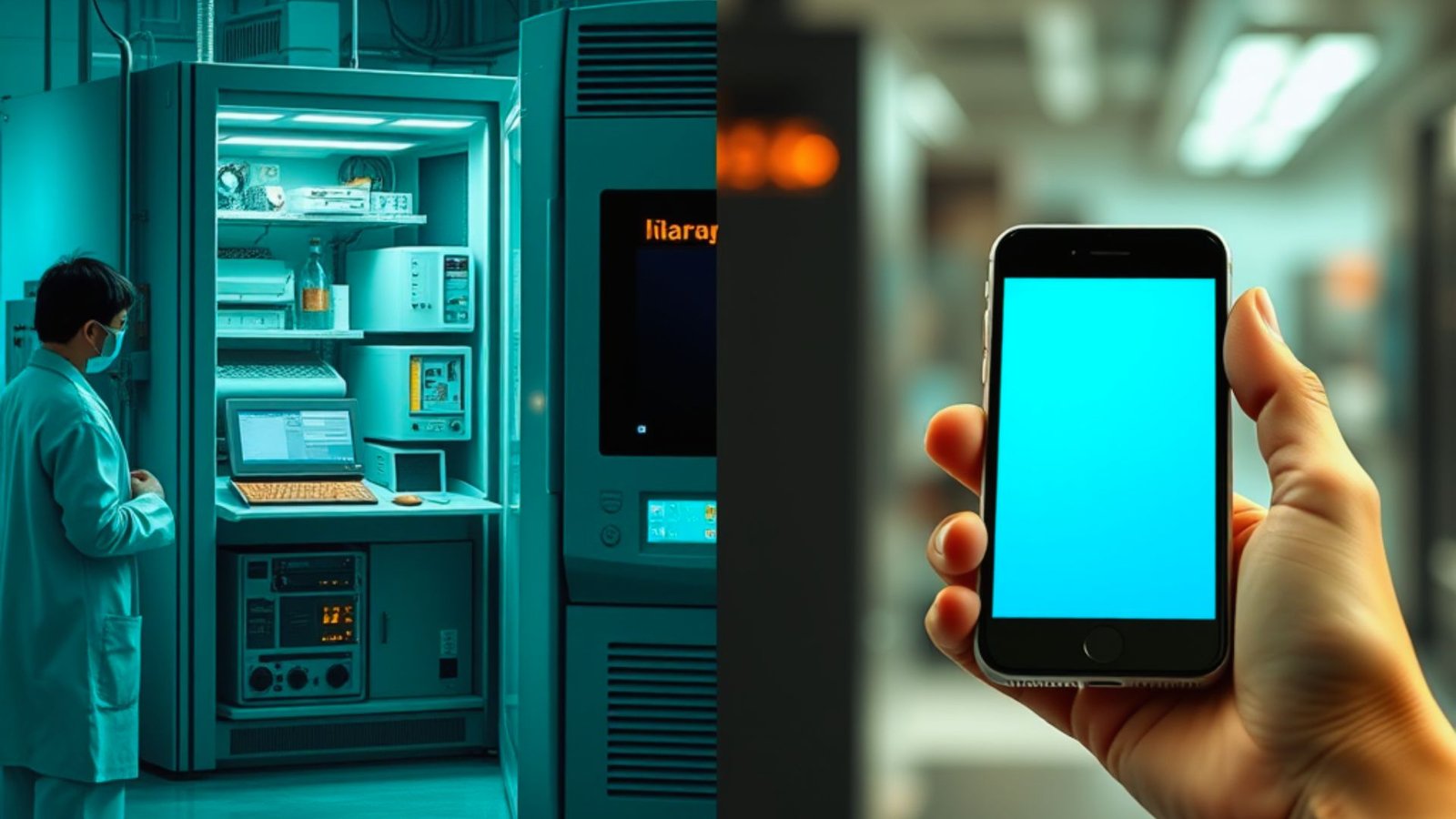
Modern phones outperform historic machines.
Your smartphone has more computing power than the computers used during early space missions and scientific research.
Machines that once filled entire rooms and required massive energy can now be outperformed by a device that fits in your pocket, showing how quickly processing power has evolved.
Fact 2: Most of the Internet Is Invisible to Users
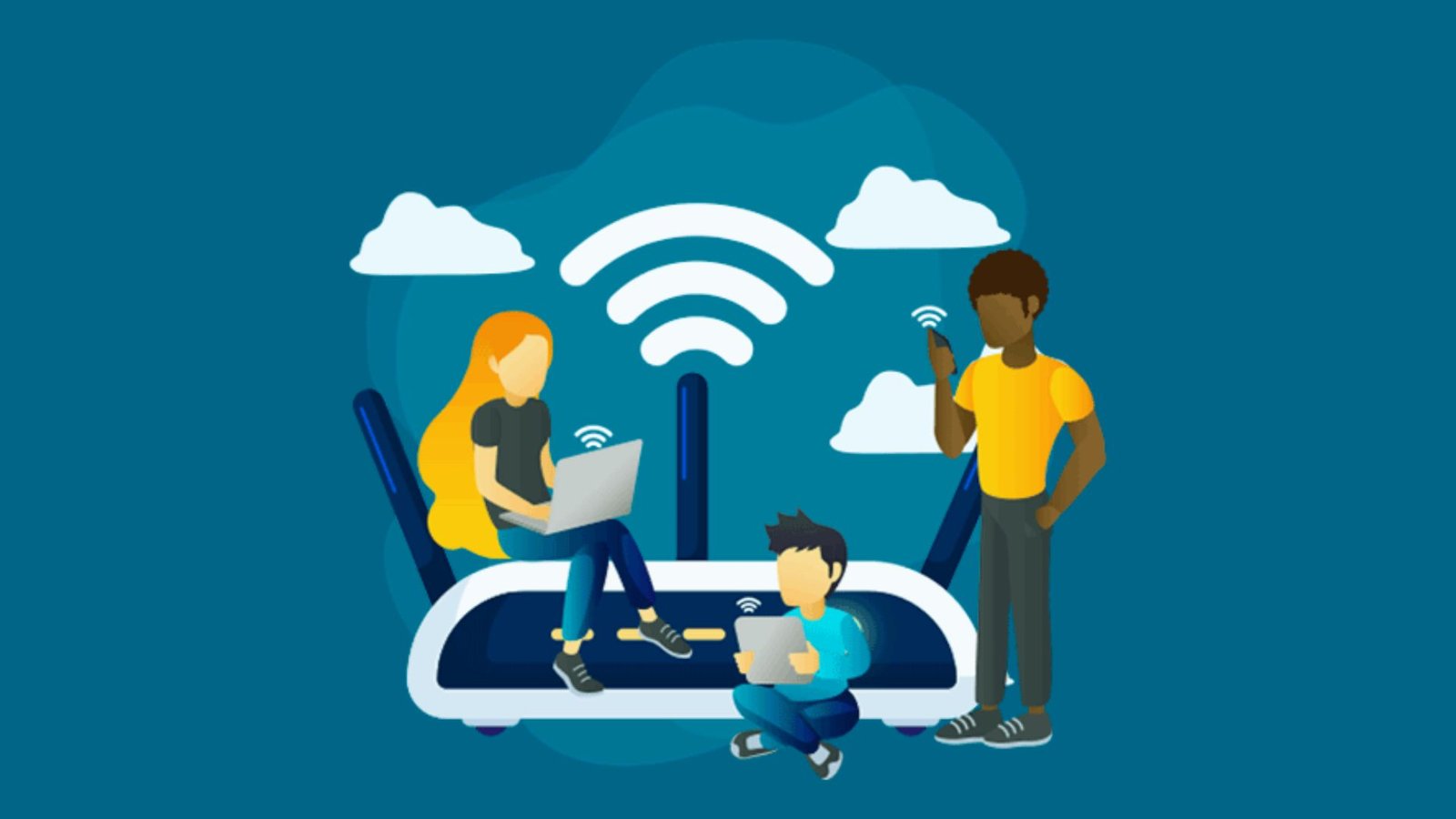
The visible web is only a small fraction.
Most online data cannot be accessed through normal search engines or public websites.
The part of the internet people use daily represents only a small section of what actually exists online, with large amounts of data stored privately or behind secure systems.
Fact 3: The QWERTY Keyboard Was Designed to Slow Typing

Efficiency was never the goal.
The QWERTY keyboard layout was created to prevent mechanical typewriters from jamming when keys were pressed too quickly.
Even though modern keyboards no longer have this problem, the layout remains standard because people are already familiar with it.
Fact 4: Email Is Older Than the Modern Internet

Digital communication existed earlier than you think.
Email systems were used on early computer networks before the internet became widely available.
People were exchanging electronic messages decades before websites, social media, or web browsers existed.
Fact 5: Technology Addiction Triggers the Brain’s Reward System
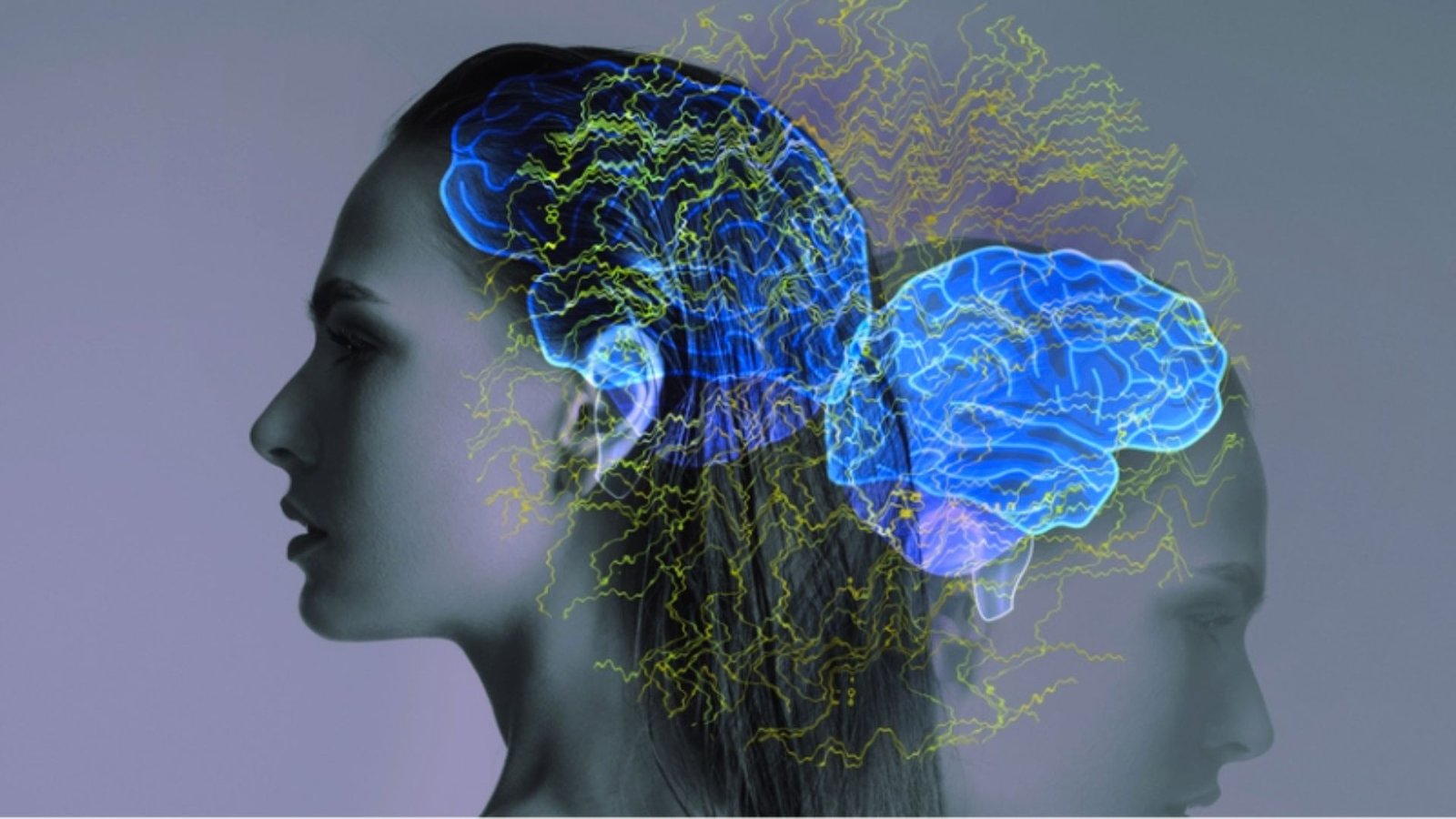
Notifications act like psychological rewards.
Phone alerts, likes, and messages trigger dopamine responses in the brain.
This makes frequent device checking feel rewarding, which explains why many people struggle to reduce screen time.
Fact 6: More Data Was Created Recently Than Ever Before

Data growth is accelerating rapidly.
Every photo, video, message, and online action contributes to massive data creation.
Most of the world’s digital data has been generated in just the last few years due to social media, streaming, and connected devices.
Fact 7: Many Apps Collect Data Even When Not in Use

Background tracking is common.
Some apps continue collecting data based on the permissions users grant.
This may include location data, usage patterns, and device information, even when the app is not actively open.
Fact 8: Technology Produces Massive Electronic Waste

Devices are discarded faster than ever.
Millions of phones, laptops, and gadgets are thrown away each year.
Because many devices are difficult to recycle, electronic waste has become a serious environmental issue worldwide.
Fact 9: Social Media Algorithms Shape What You See
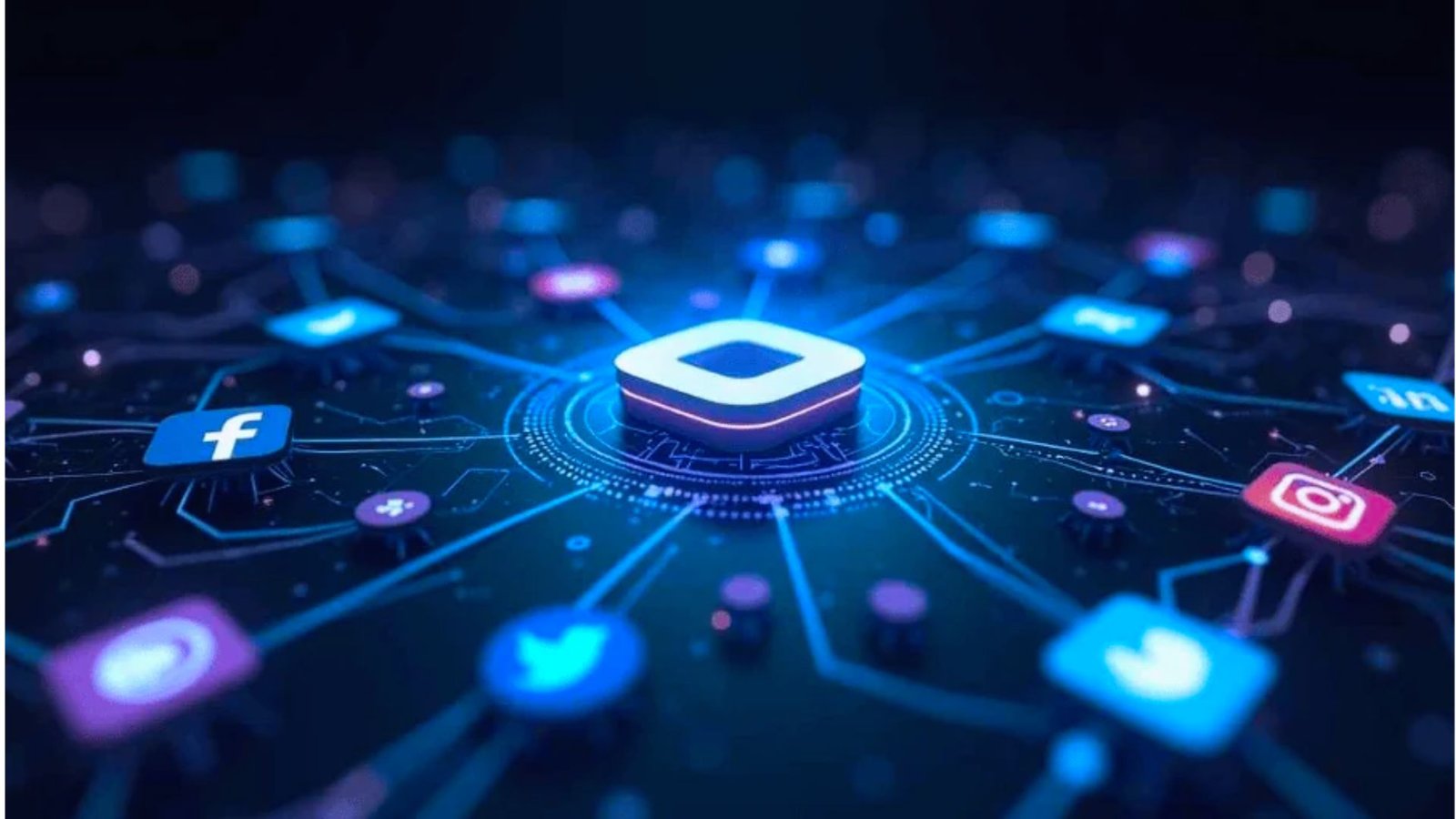
Content is filtered, not neutral.
Algorithms decide which posts, videos, and news appear in your feed.
These systems prioritize engagement and attention, influencing opinions and limiting exposure to diverse viewpoints.
Fact 10: Artificial Intelligence Is Advancing Faster Than Expected

Experts underestimated the pace.
AI technology has developed faster than many researchers predicted.
Its rapid progress is already changing how people work, learn, and interact with digital systems.
Fact 11: Technology in Education Is Changing Learning

Digital tools are now essential.
Online platforms, learning apps, and smart devices are now common in classrooms.
They improve access to education, personalize learning, and support students beyond traditional teaching methods.
Why Learning Facts About Technology Matters

Understanding technology makes you a smarter and more aware person in daily life.
Knowing facts about technology builds real digital literacy. It helps you make smarter decisions about screen time, privacy, and the apps you use every day.
When you understand what technology is doing behind the scenes, you stop being a passive user.
You start thinking critically about what you share, how long you scroll, and whether what you’re reading is actually true.
That awareness creates responsibility. Knowledge here isn’t just interesting. It’s genuinely useful for navigating modern life.
Tips to Use Technology More Smartly and Mindfully
Small daily habits can make a big difference in how technology affects your life.
- Set a daily screen time limit. Most phones have this built in. Try it for a week and see how your mood and focus shift.
- Use tech for learning, not just entertainment. Swap a few minutes of scrolling for a podcast, article, or short educational video. Small changes add up.
- Stay aware of how technology makes you feel. If you notice anxiety, restlessness, or irritability after phone use, that’s a real signal worth paying attention to.
- Follow daily facts about technology from reliable sources. Trusted outlets keep you informed without the noise and bias of social media algorithms.
- Take regular breaks from screens. Step away during meals and keep your phone out of the bedroom at night. Your brain needs that time to reset.
Conclusion
Technology is a big part of life, and learning more about it only helps you use it better.
I’ll be real with you. Before I dug into these facts about technology, I thought I knew more than I did. Some of what I found genuinely surprised me, especially around the negative effects most people never talk about.
Technology is part of all our lives. The more we understand it, the better we use it.
If this post gave you something new to think about, drop a comment below. I’d love to know which fact surprised you most. Share this with someone who’d enjoy it too.
Frequently Asked Questions
What are some interesting facts about technology?
Many everyday tools like keyboards, Wi-Fi, and smartphones have surprising origins and histories that most people never learn about.
Why are fun facts about technology so popular?
They feel personal. When a fact connects to something you already use every day, it’s easy to remember and share.
Are there negative facts about technology people should know?
Yes. E-waste, screen addiction, and fast-spreading misinformation are serious issues that affect real people daily and deserve more attention.
What are facts about technology addiction?
A large number of people feel dependent on their devices. Phone notifications are designed in ways that make stepping away genuinely hard.
How does technology affect education today?
Digital tools and educational apps have made learning more accessible for all ages, and students who use them regularly tend to retain information better.