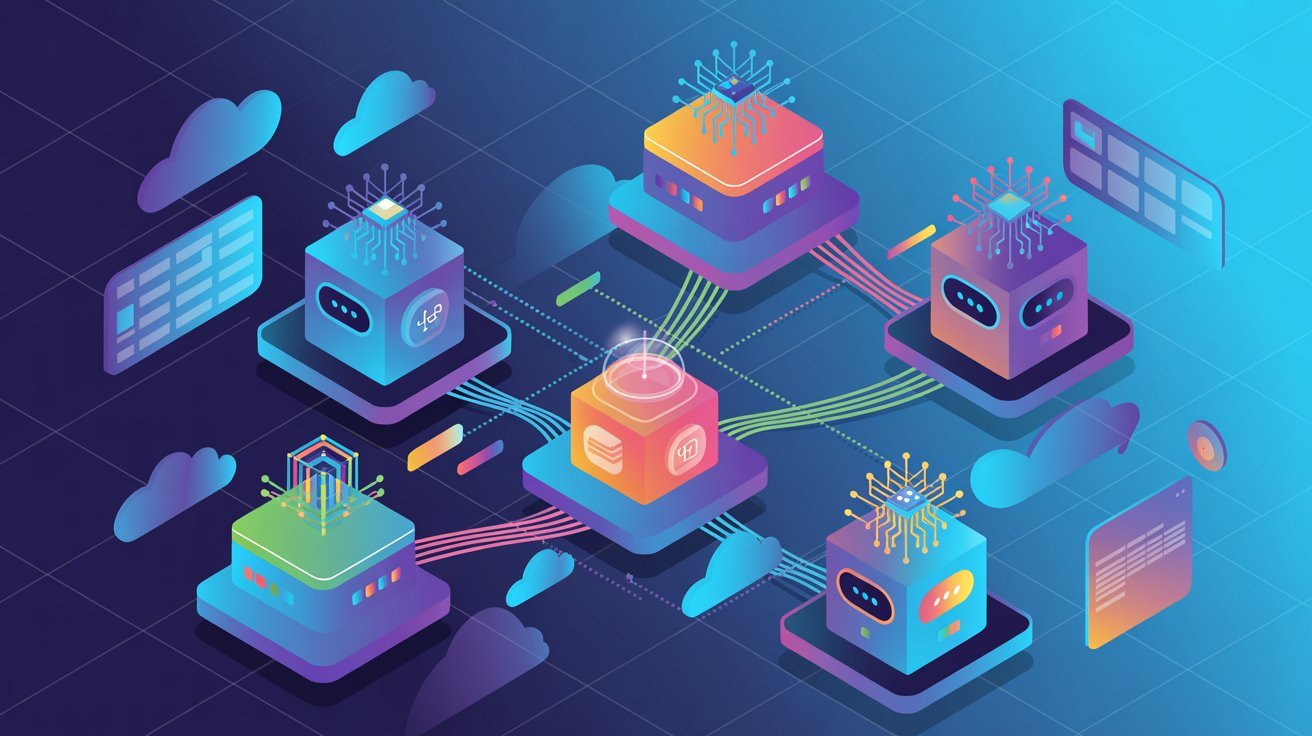


Before fixing the problem, it helps to know what’s actually happening when an update runs.
Before I learned what was really going on, I thought a slow update meant something was broken.
It doesn’t. Understanding how uhoebeans software updates work changed everything for me.
An update isn’t just a file download.
Your device connects to servers, verifies your version, replaces old files, and runs checks all at once. When one step slows down, everything slows down. That’s really all there is to it.
Why Modern Software Updates Take Longer

Today’s software is bigger, smarter, and more demanding than ever before.
Software today is far more complex than it was five years ago. Updates now include better security layers, new features, and fixes for dozens of bugs at once.
The files are larger, the checks are deeper, and servers are handling thousands of users at the same time.
I noticed this myself when updates that used to take five minutes now stretch to twenty. That’s not a malfunction. That’s growth.
The more a software does, the more it has to update. A slow update doesn’t always mean something is wrong. It often means the software is doing its job carefully, and that’s actually a good thing.
Main Reasons Why Uhoebeans Software Update Is So Slow
Understanding the root cause is the first step toward actually fixing it.
Server Congestion and Heavy User Traffic
Millions of users downloading at once puts serious strain on any server.
When a new update rolls out, everyone downloads it at the same time. Even with fast internet, the server may be overwhelmed.
This is one of the top reasons why uhoebeans software update is so slow right after a release. Waiting a few hours can help a lot.
Internet Speed vs Network Stability Problems

A fast connection means nothing if it keeps dropping mid-download.
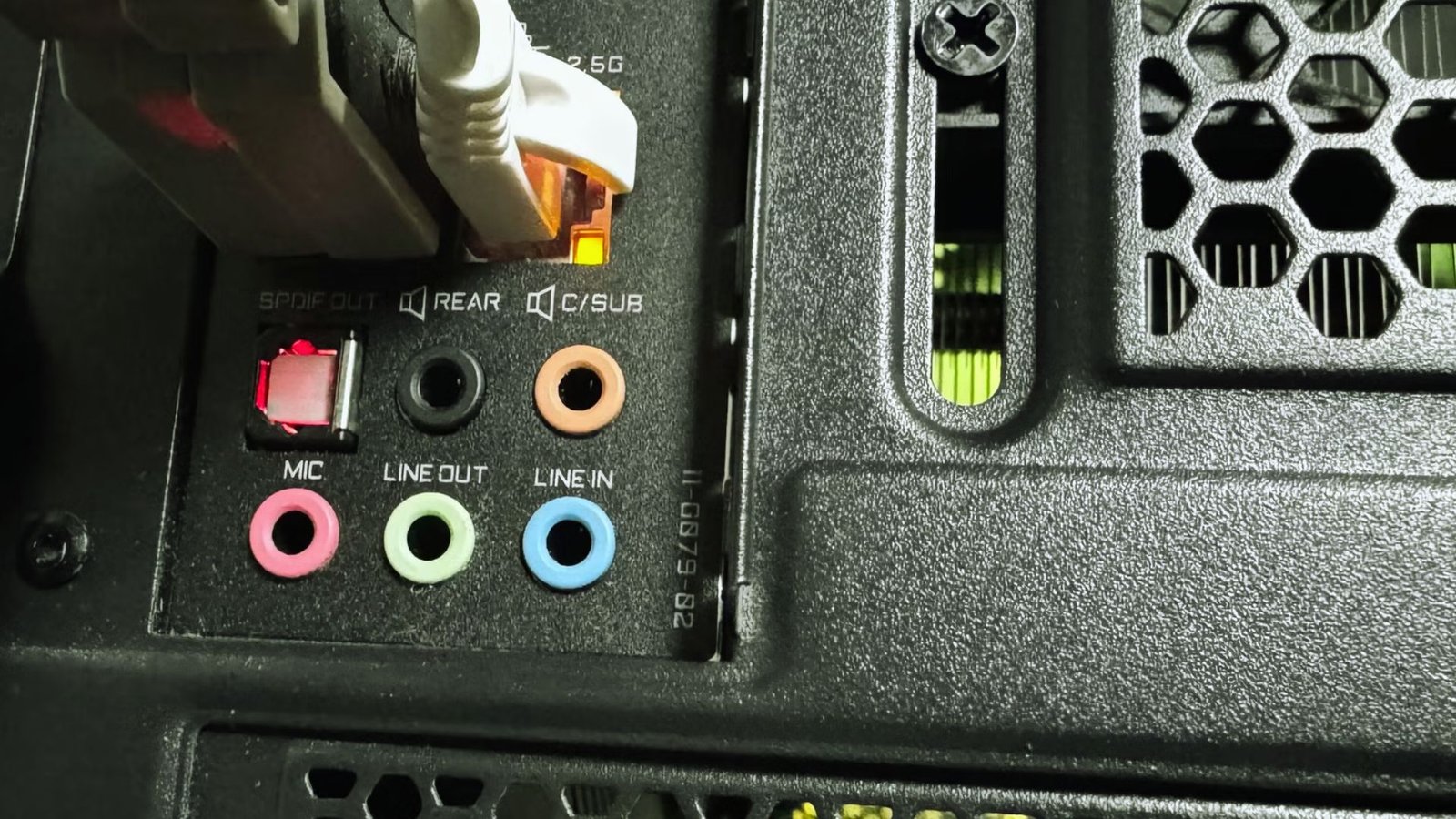
Stability matters more than speed. A connection that drops, even briefly, forces the download to restart. A wired connection or stronger signal can cut update time significantly.
Device Hardware and Performance Limitations
Your device’s age and specs directly affect how fast updates can install.
The installation phase depends on your processor and RAM, not just your internet. If your hardware is aging, it will handle files more slowly.
The update isn’t broken. Your device just needs more time.
Large Update Files and Feature Expansion

Bigger software means bigger files, and bigger files simply take more time.
New tools, improved features, and interface changes all add to the file size. A 500MB update will always take longer than a 50MB patch. There’s no shortcut around that.
Security Checks and Data Integrity Validation

Every file gets verified before installation, and that process takes real time.
The system checks every file before anything installs. These checks protect you from corrupted or harmful files. A slow update here means the software is being careful, not careless.
Background Applications and Multitasking
Other apps running in the background quietly steal resources from your update.
Streaming, cloud syncs, or too many open tabs all compete for memory and processing power. Closing background apps before updating gives the process more room to work.
Regional Network and Location-Based Issues

Your physical location can affect how quickly update data reaches your device.
If the nearest server is far from you, data has to travel further. Some regions also have slower routing infrastructure.
Using a reliable connection and avoiding peak hours can help, though this is largely out of your hands.
How to Fix a Slow Uhoebeans Software Update
These are practical steps you can take right now to get your update moving faster.
Improve Internet Connection Stability
A steady connection is the single most important factor in update speed.
Switch to a wired connection if possible. If you’re on Wi-Fi, move closer to your router and make sure no one else is streaming at the same time.
A stable connection will always beat a fast but unreliable one.
Clear Cache and Free Storage Space
Giving your device room to breathe makes a real difference during installation.
Clear the uhoebeans cache in your device settings and check your available storage. Updates need temporary space to unpack.
If storage is nearly full, free up a few gigabytes before you start.
Close Background Apps Before Updating
Every app you close gives the update more resources to work with.
Close everything you don’t need before starting, including cloud backup tools and browser extensions.
The less your device is doing, the faster the update finishes.
Disable VPN and Pause Security Scans Temporarily
Turning these off briefly can remove a hidden source of slowdown.
Turn off your VPN and pause any active antivirus scans before updating. Re-enable them once it’s done.
This simple step can make a noticeable difference.
Schedule Updates During Off-Peak Hours
Fewer users online means less server pressure and faster download speeds.
Server load is lowest late at night or early morning. Schedule your update during those hours or enable automatic overnight updates for the smoothest experience.
Best Practices to Prevent Slow Updates in the Future

A few simple habits now can save you a lot of frustration later.
Keep Your Device and OS Updated
An up-to-date system is better prepared to handle new software updates smoothly.
Running an outdated OS creates compatibility gaps that slow everything down. Install system updates regularly so your device stays ready for whatever uhoebeans pushes out next.
Maintain Adequate Free Storage Space
Low storage is one of the most common and easily avoidable causes of slow updates.
Keep at least 10 to 15 percent of your storage free at all times. This gives updates room to work and prevents errors caused by running out of space mid-process.
Enable Smart or Automatic Updates
Letting updates run automatically takes the guesswork out of the whole process.
If uhoebeans offers automatic updates, turn that feature on. Automatic updates often run during off-peak hours and use smaller incremental downloads, making the process faster and less disruptive.
Use Reliable Networks for Software Updates
The network you choose can make or break how smoothly an update goes.
Avoid updating over public Wi-Fi or mobile data. These connections tend to be unstable or throttled. Stick to your home network or a trusted private connection whenever an update is available.
Tips to Speed Up Uhoebeans Software Updates
Small, simple habits can shave serious time off every future update.
- Always update on a stable Wi-Fi connection and keep your device plugged in so power limits don’t slow things down mid-install.
- Close all background apps before starting the update to free up memory and processing power for a faster installation.
- Restart your device before updating to clear temporary memory and shut down any hidden processes running in the background.
- Update during late-night or early-morning hours when server traffic is lower and download speeds tend to be at their best.
- Regularly clean your storage and system cache so updates always have a clear, uncluttered environment to install into.
Conclusion
Dealing with a slow uhoebeans update is genuinely annoying, and I get it. I’ve sat through plenty of those dragging progress bars myself.
But now you know exactly why it happens and what to do about it. From clearing cache to updating during off-peak hours, these fixes are simple and they work.
A slower update often means your software is being careful, and that’s a good thing. Try one fix at a time and see what helps.
If this post helped you out, leave a comment or share it with someone dealing with the same thing.
Frequently Asked Questions
Why is uhoebeans software update so slow on my device?
Server congestion, a weak connection, or low storage are the most common causes. Older hardware can also slow the installation phase down.
Does slow internet always cause update delays?
Not always. An unstable connection causes more problems than a slow one. Large file sizes and server traffic also play a big role.
Can old hardware slow down Uhoebeans updates?
Yes. The installation phase relies on your processor and memory, not just your internet speed. Older devices simply need more time to apply updates.
Are slow updates safer and more reliable?
Often, yes. A slower update usually means the system is running security checks and verifying files carefully. Rushing that process can lead to a broken installation.
How can I prevent slow Uhoebeans updates in the future?
Keep storage clear, use a stable home network, close background apps before updating, and enable automatic updates to run during low-traffic hours.