
Have you ever wondered when smartwatches were invented and how they went from science fiction to your wrist?
I asked myself the same thing after I bought my first smartwatch and realized I had no idea where it came from.
In this article, I’ll walk you through the complete smartwatch timeline, from the earliest wearable ideas to the devices we use today.
You’ll learn which brands started it all, why early models failed, and how we got here. Clear answers, real history, no fluff.
When Were Smartwatches Invented?
Smartwatches didn’t appear overnight. Their story stretches back further than most people think. Dick Tracy’s two-way wrist radio, introduced in comics in 1946, captured the public’s imagination.
It wasn’t real technology, but it planted a seed. The idea that a watch could do more than tell time lodged itself in the cultural consciousness and never really left.
Before digital watches existed, watchmakers were already pushing boundaries. They added slide rules, compasses, and pulse meters to watch faces.
None of it was smart, but it proved something important. The wrist could carry more than just the time.
The real turning point came in the seventies. The Hamilton Pulsar launched in 1972 as the first digital watch, using an LED display and battery power.
Watches were no longer mechanical only. That shift from gears and springs to circuits and batteries opened a door that could never be closed. Without it, there would be no smartwatch.
The First Smartwatch Era (1980s)
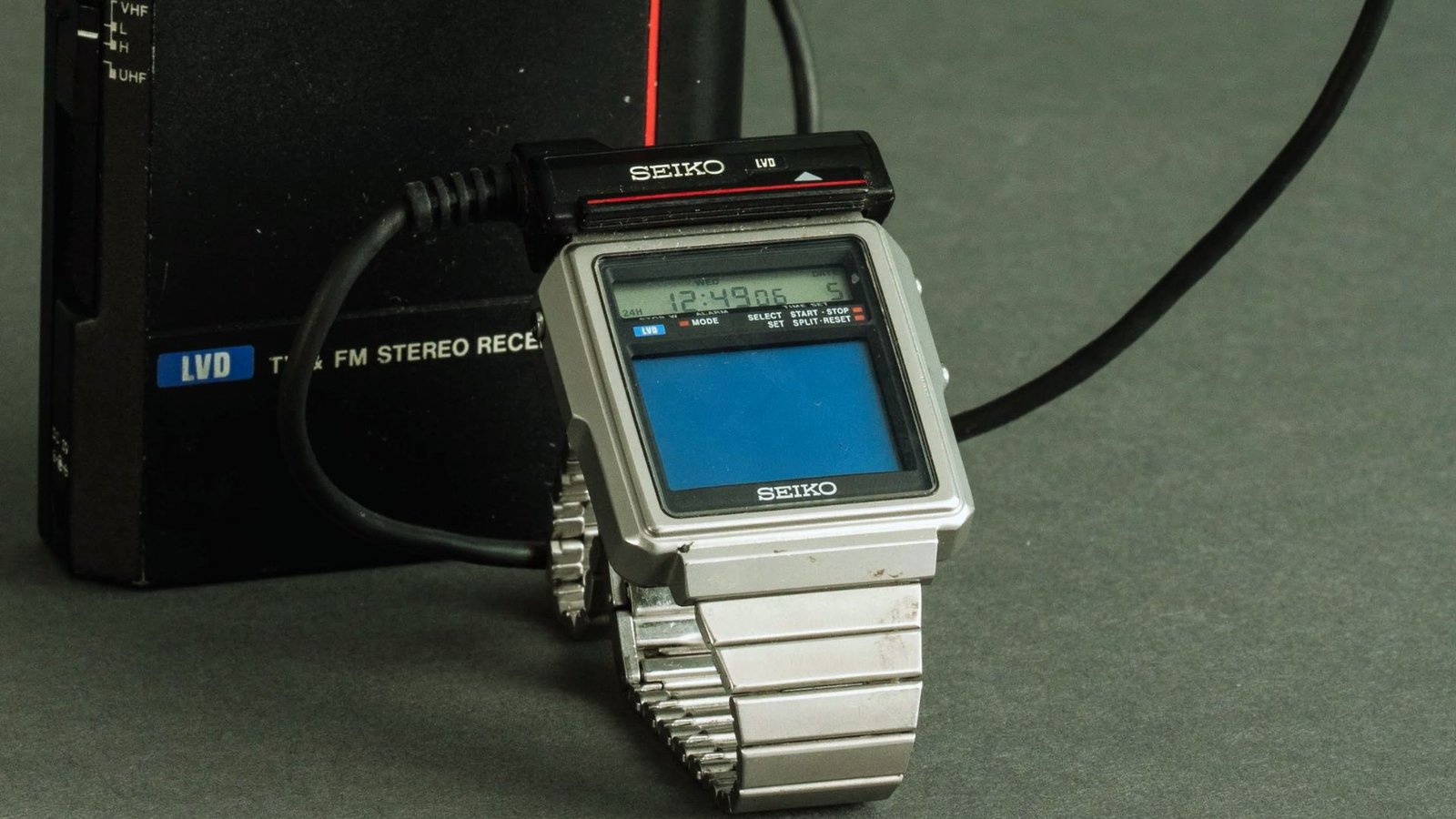
The 1980s brought the first watches with computing features, changing what a wrist device could do.
Rise of Data-Enabled Watches
This decade proved that wrists could carry more than just the time.
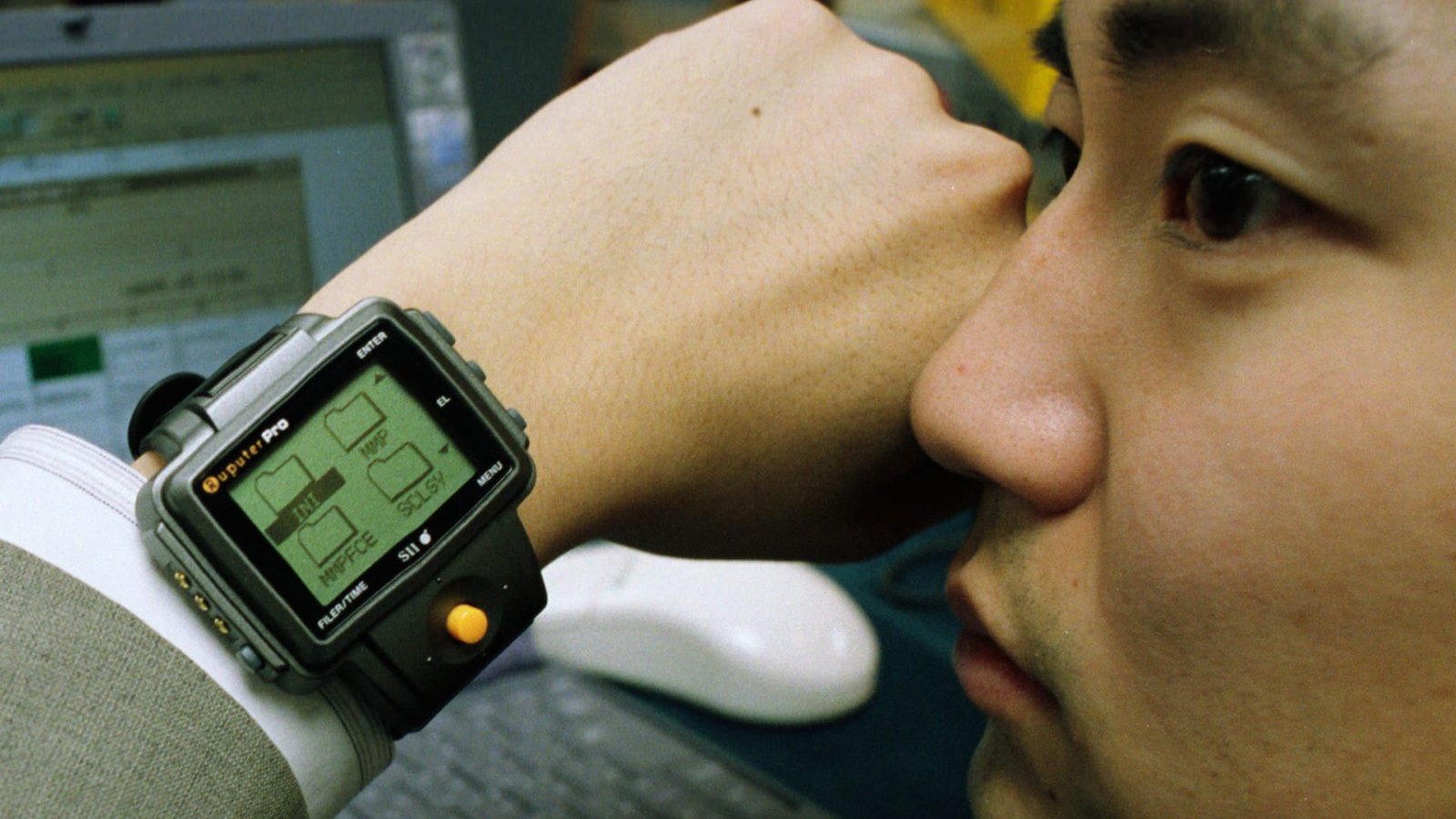
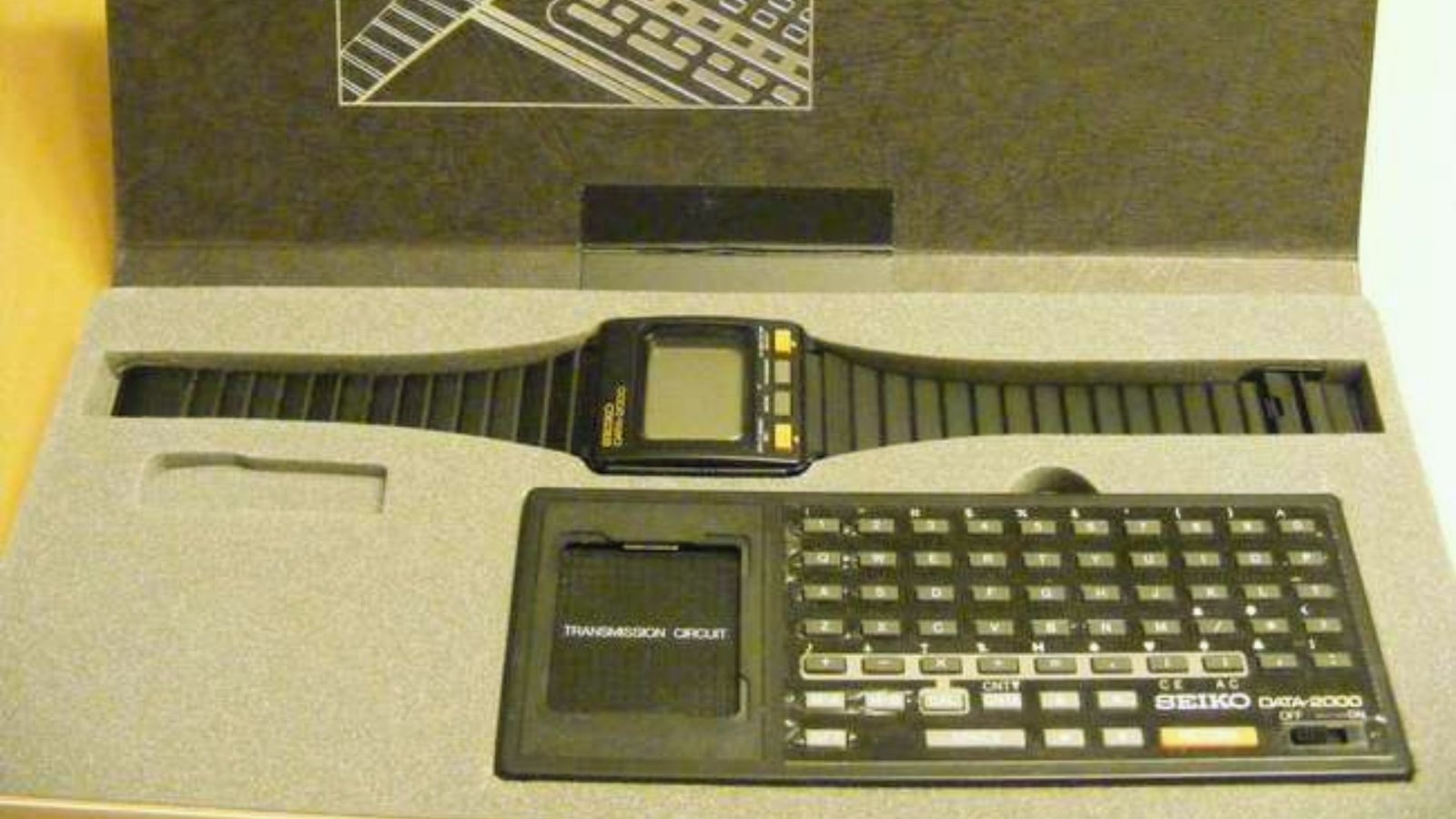
Casio led the way with calculator watches that could store numbers and run basic math. Seiko followed with the Data-2000 in 1983, which synced with an external keyboard.
That same year, the Seiko RC-1000 connected directly to a home computer. These were the first wrist devices that processed real data.
Early Attempts at “Smart” Features
Manufacturers pushed boundaries, but the technology wasn’t quite ready yet.
Seiko released a TV watch in 1983 that displayed small television images. Other companies launched programmable models users could customize with basic software.
Screens were tiny, input was frustrating, and battery life was short. Most people saw them as novelties rather than useful tools.
Smartwatch Innovation in the 1990s
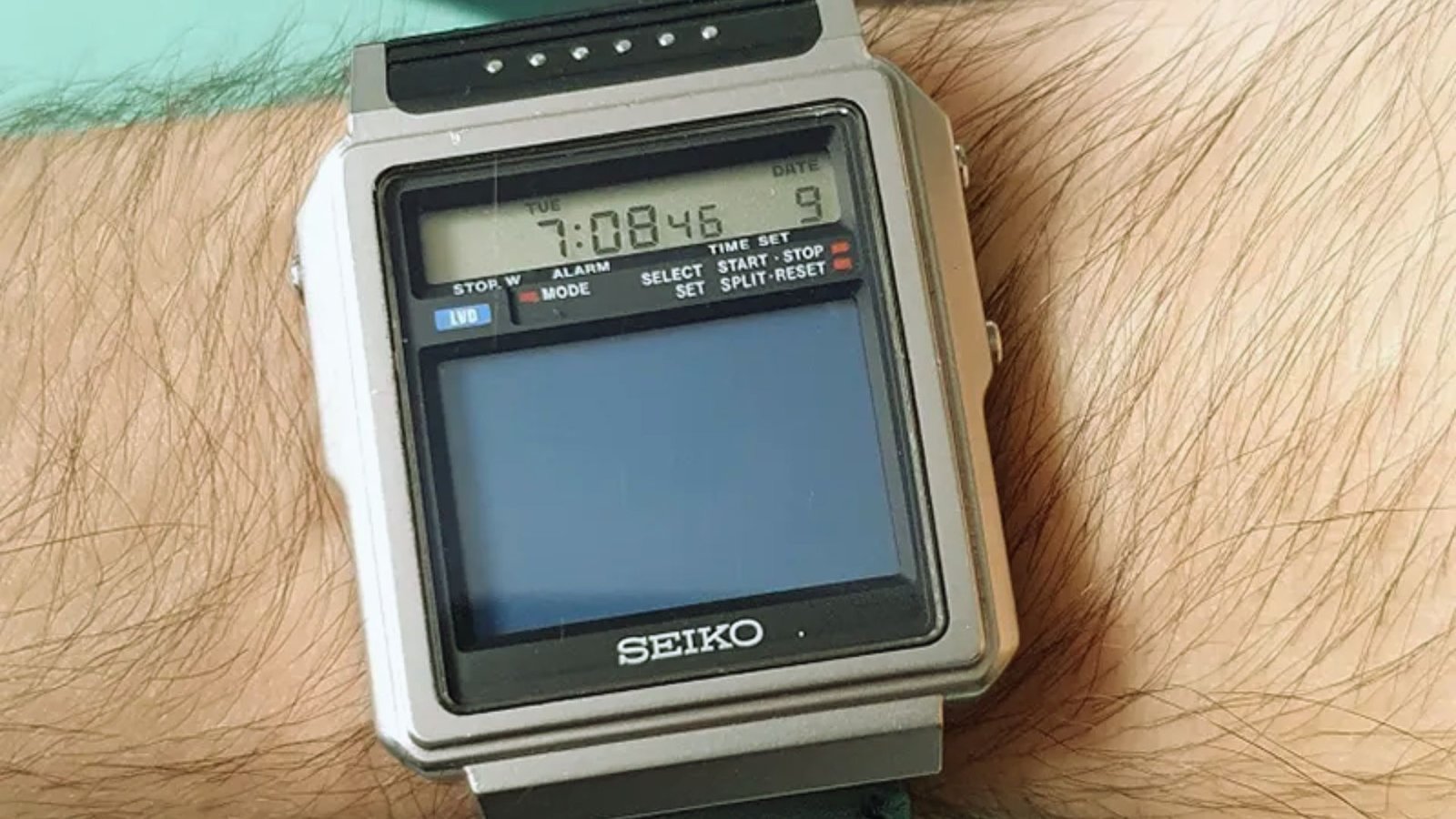
The 1990s moved smartwatch tech forward with wireless data, laying the groundwork for modern devices.
Wireless Data and Messaging Watches
For the first time, watches could receive live information from the outside world.
Timex launched Datalink in 1994, developed with Microsoft. It synced appointments and contacts from a computer screen using optical sensors, no cables needed.
Motorola’s SPOT platform later allowed watches to receive news, weather, and messages over FM radio signals. Pager-style messaging features also began appearing on select models.
Why the 1990s Were Crucial for Smartwatch Evolution
This decade shifted the smartwatch from a storage tool to a connected device.
Before the nineties, watches only held information you entered manually. The nineties introduced real-time data on your wrist.
That shift in thinking became the foundation for every modern smartwatch feature we rely on today.
The Breakthrough Period (2012–2014)
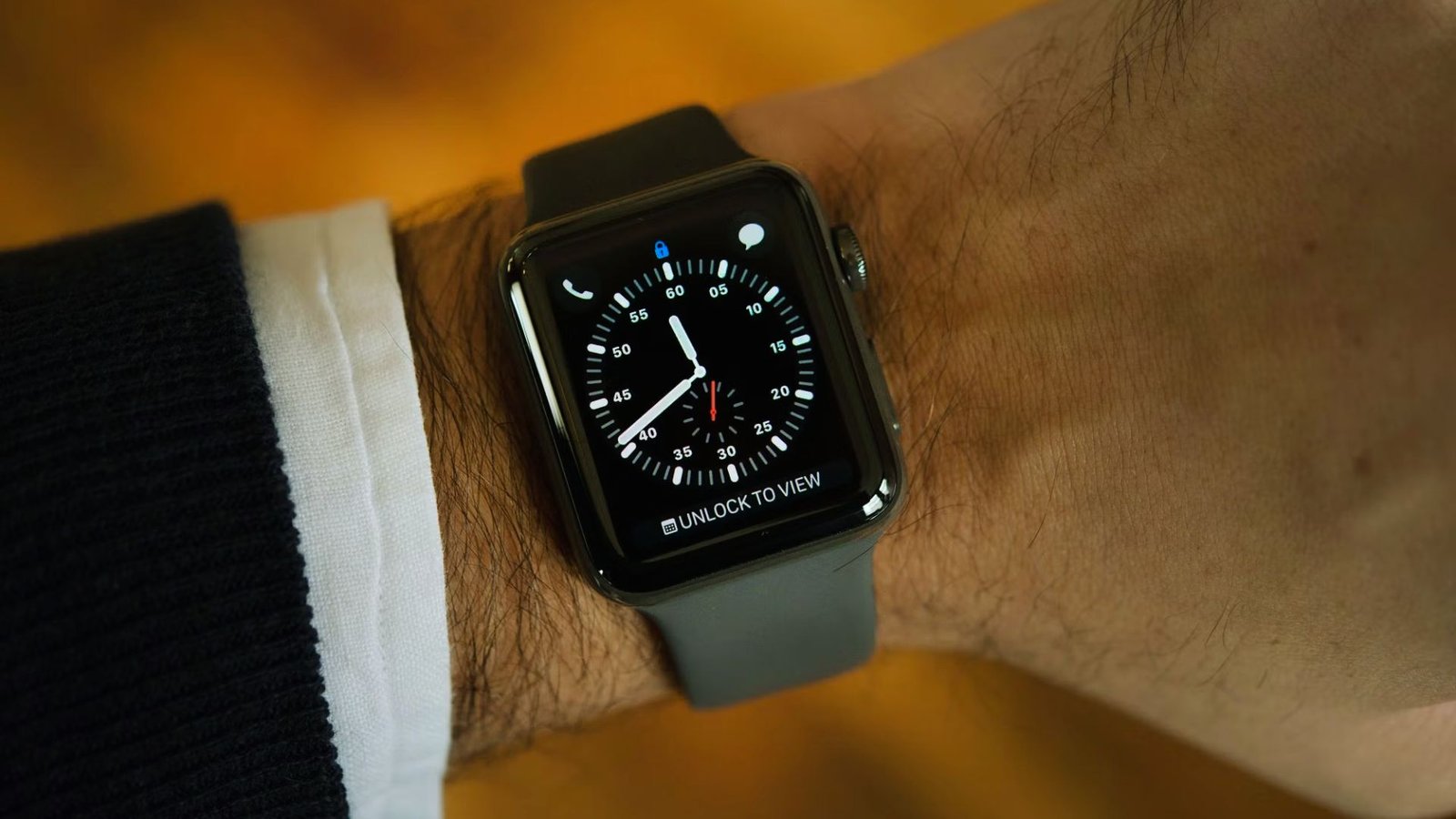
Crowdfunding and smartphone pairing turned smartwatches from a niche gadget into a real consumer product.
The First Popular Smartwatches
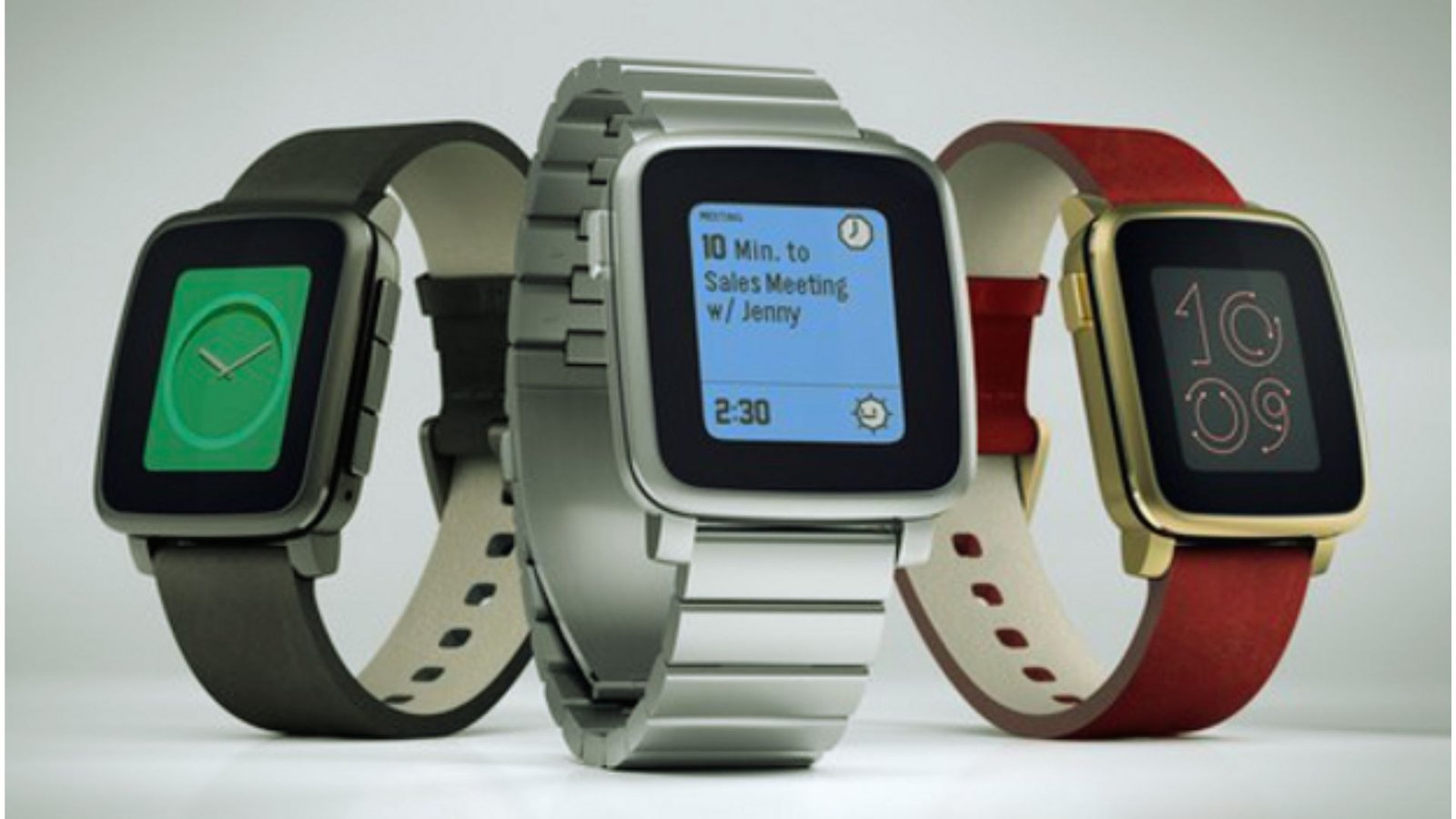
Pebble’s Kickstarter campaign in 2012 changed everything.
Pebble raised over ten million dollars and paired with smartphones. Samsung, Google, and Apple followed with their own platforms, turning smartwatches into a serious market.
How Smartwatches Became Everyday Devices
For the first time, a smartwatch did things that felt genuinely useful in daily life.
Notifications, step tracking, and Bluetooth sync made smartwatches practical enough for everyday people, not just tech enthusiasts.
When Did Modern Smartwatches Begin? (2000–2010)
The 2000s brought touchscreens, apps, and operating systems to the wrist for the first time.
PDA and Computer-Linked Watches
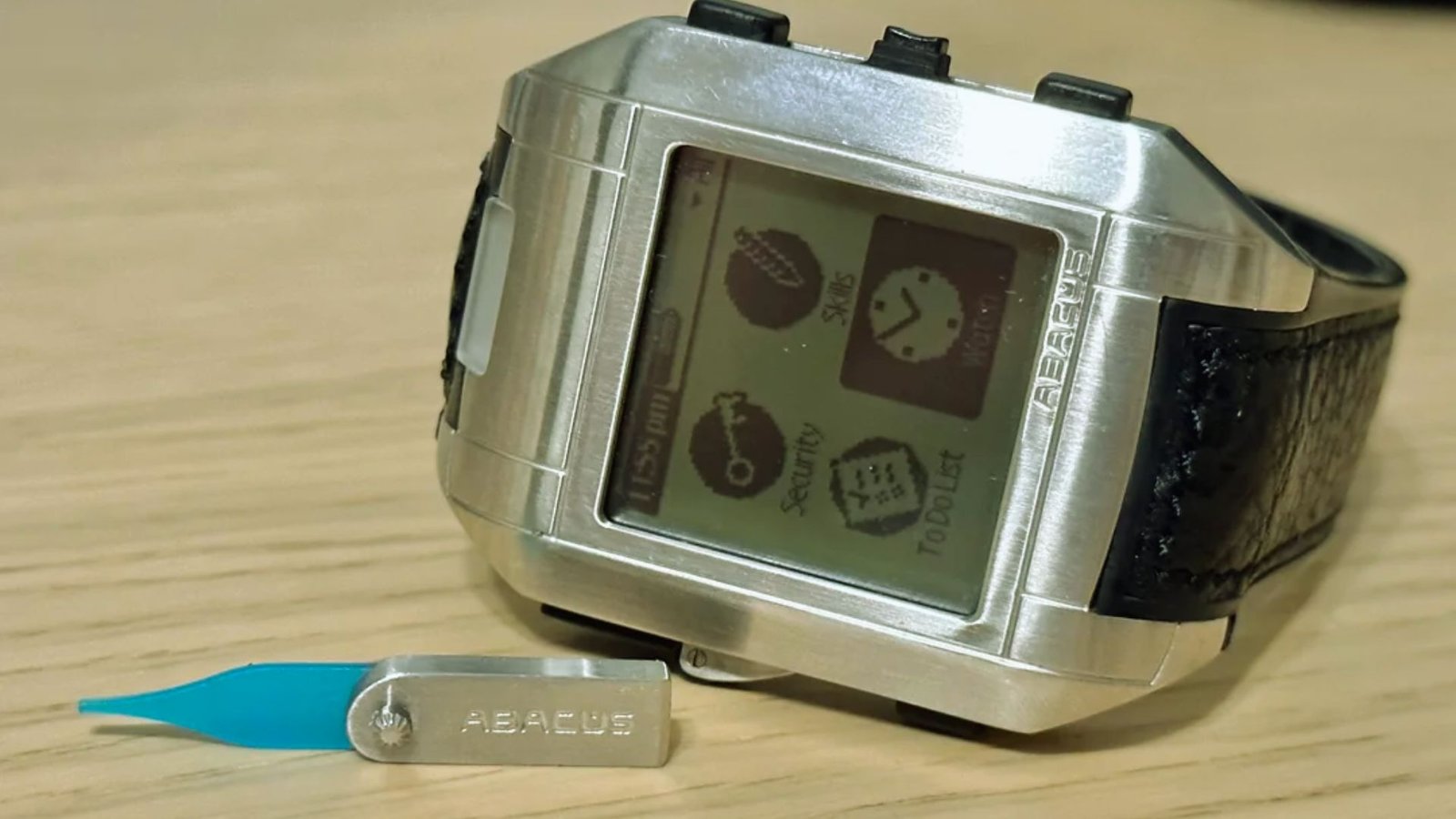
Manufacturers tried shrinking full personal computers down to wrist size.
IBM and Citizen partnered to create the WatchPad in 2001, which ran Linux and included Bluetooth.
Microsoft launched SPOT watches between 2004 and 2008, delivering news and calendar updates over FM signals. Fossil released Palm OS-based watches that could sync with handheld devices and run basic apps.
Why Early Smartwatches Failed to Go Mainstream
Good ideas, but the technology couldn’t support everyday consumer use yet.
Battery life was the biggest issue, with most devices lasting only a few hours. Smartphones hadn’t taken over yet, so consumers didn’t feel the need for a connected watch.
Devices were also too bulky, too complex, and too expensive for most buyers.
The Modern Smartwatch Timeline (2015–Present)
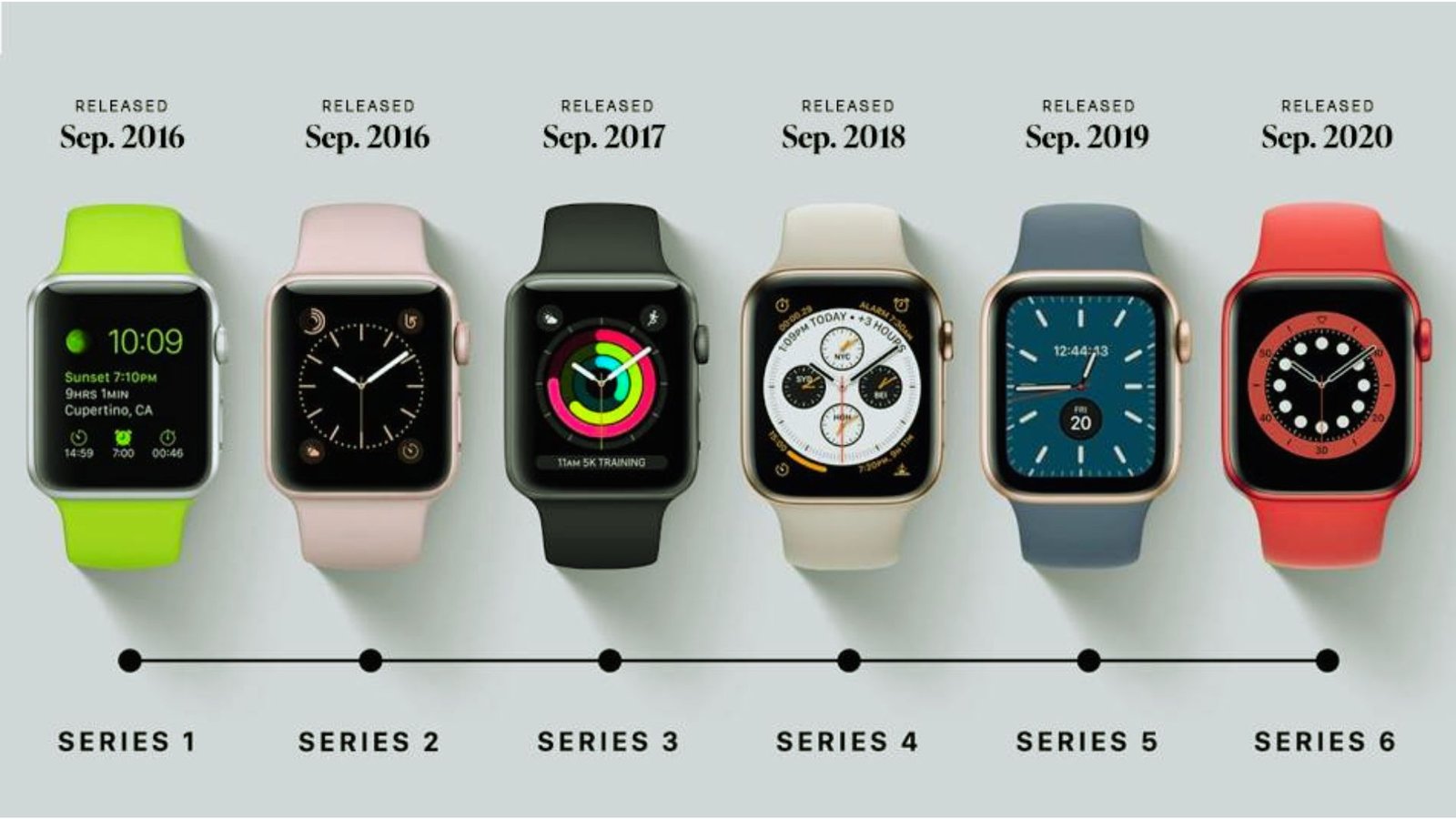
From 2015 onward, smartwatches became health tools, communication devices, and standalone gadgets.
Health and Fitness Revolution
Health tracking became the defining feature of the modern smartwatch.
Heart rate monitoring, sleep tracking, blood oxygen readings, and ECG features arrived one after another.
Some models today can detect irregular heart rhythms and prompt users to seek medical care.
Standalone Smartwatches and LTE Connectivity
Smartwatches no longer needed a phone nearby to function.
From around 2017 onward, built-in cellular chips allowed watches to make calls and access the internet independently.
Smart assistants and AI-powered insights made wrist-based tech smarter than ever.
Smartwatch Evolution Timeline (Quick Overview)
A fast look at the key dates that shaped the smartwatch from concept to everyday device.
Early concepts: Fictional wrist communicators in the 1940s sparked the imagination of inventors worldwide.
Digital watch invention: The Hamilton Pulsar launched in the early seventies, proving electronics could live on your wrist.
Data watches emerge: Seiko released computer-syncing watches in the early eighties, the first wrist devices to process outside data.
Wireless syncing begins: The Timex Datalink in the mid-nineties introduced cable-free data transfer to watches.
Operating system era: IBM, Microsoft, and Fossil launched app-capable smartwatches in the early two-thousands.
Modern era launches: Pebble crowdfunded the first widely popular modern smartwatch in 2012, followed by Apple and Google.
Health and LTE standard: Advanced health sensors, standalone cellular, and AI features became normal from 2017 onward.
How Smartwatches Have Changed Over Time
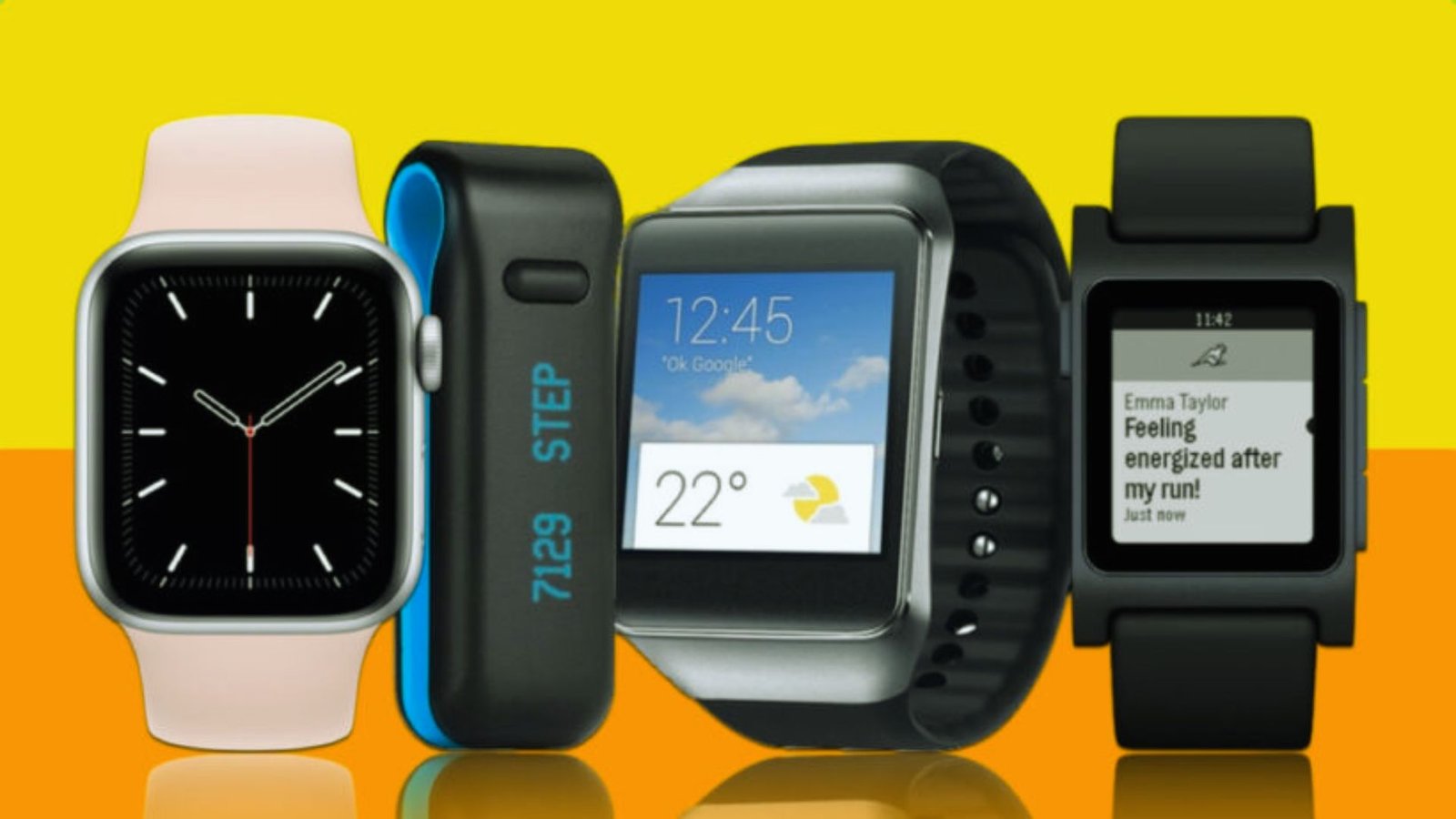
Smartwatches went from basic data storage to fully connected health and lifestyle companions.
A watch used to tell the time. Now it manages your whole day. Modern devices handle calls, texts, app alerts, payments, and heart health monitoring, all from your wrist.
The gap between early models and today’s devices is significant.
Displays got brighter, sensors got smarter, battery life stretched from hours to days, and software grew from simple calculators to full operating systems with AI built in.
Conclusion
Here’s a clear answer to when smartwatches were invented and why their history still matters today.
So, when were smartwatches invented? It depends on how you define “smart.” Data-enabled watches came in the eighties.
Wireless syncing arrived in the nineties. True modern smartwatches took off around 2012.
I wear mine every single day and rarely think about the decades of invention behind it. Now you know the whole story.
If this was helpful, drop a comment below or share it with a fellow tech lover. There’s plenty more wearable tech history waiting for you right here.
Frequently Asked Questions
When was the first smartwatch invented?
The Seiko Data-2000 in 1983 was the first data-enabled watch. Modern smartwatches gained popularity around 2012 with the Pebble.
What was considered the first smartwatch?
The Seiko RC-1000, released in 1984, is widely considered the first true smartwatch. It could connect to a computer and sync data to the wrist.
How did smartwatches evolve over time?
They started as basic data storage devices in the eighties, gained wireless features in the nineties, and became health-focused app platforms from 2012 onward.
When did smartwatches become popular?
Smartwatches went mainstream after 2012 when Pebble launched on Kickstarter, followed by Samsung, Google, and Apple through 2015.
Are smartwatches replacing traditional watches?
Smartwatches now outsell traditional Swiss watches globally and are growing faster, though traditional watches still hold a loyal following.