

If you’ve ever wondered what testing in Zillexit software actually means, you’re in the right place. I’ve spent time working through software quality topics, and I know how confusing it can get.
In this article, I’ll break it all down in plain terms. You’ll learn what testing involves, why it matters, and how Zillexit uses it to build better products.
We’ll cover the types, tools, and steps teams follow to get software ready for real users.
By the end, you’ll have a clear picture of the full process and feel confident about what it means for software success.
What Is Zillexit Software?

Zillexit Software is a technology company focused on building and delivering reliable software products and services across multiple industries.
The company covers a broad range of software solutions built around performance and reliability, helping businesses manage their digital operations more efficiently.
Zillexit works across sectors where software reliability directly affects business outcomes. From finance to healthcare, it adapts its products to meet the specific demands of each industry it serves.
Quality assurance is built into every project from the start, not added at the end. Dedicated QA efforts catch problems before they reach users, which protects both the product and the people using it.
This consistent focus on quality helps Zillexit build software that users trust and businesses can rely on long after launch.
What Is Testing in Zillexit Software?
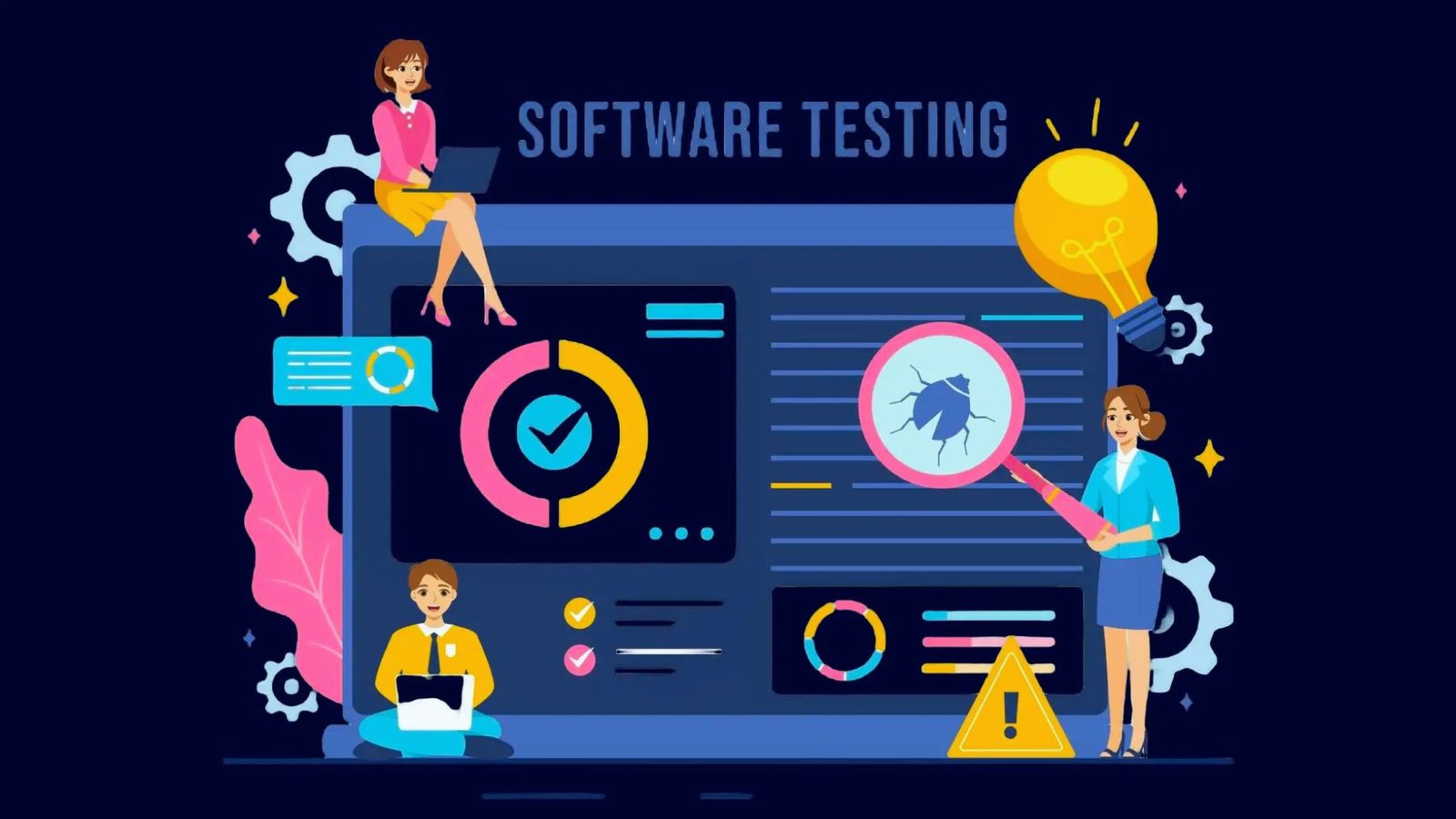
Testing in Zillexit software is the process of verifying that a product works correctly before it reaches real users.
It covers everything from code-level checks to full system reviews, including functional checks, performance reviews, and security assessments to confirm the product is ready for use.
The goal is straightforward: catch problems before users do. Testing prevents defects from reaching live products and builds user trust by making sure the software behaves as expected every time.
Why Testing Is Important in Zillexit Software

Testing is what keeps a product stable, secure, and worth using.
Impact of Testing on Software Quality
Testing reduces errors and keeps the system consistent at every stage.
A well-tested product is far less likely to crash, lose user data, or behave unexpectedly. Over time, this consistency builds a product that users can genuinely rely on.
Business Benefits of Software Testing
Fixing bugs early costs far less than fixing them after launch.
A defect caught during testing takes hours to fix. The same defect found by a real user can take days and cause lasting damage to the brand.
When users trust that a product works, they stay loyal and keep coming back.
Risks of Skipping Testing in Zillexit Software
Skipping testing opens the door to problems that are hard to recover from.
Security gaps leave user data exposed. Performance failures cause crashes under real-world load. Without a proper testing process, these risks do not disappear. They just get more expensive to fix later.
Types of Testing in Zillexit Software
Zillexit uses several types of testing to cover every layer of the product.
Unit Testing in Zillexit Software
Unit testing checks individual components early in development.
Each piece of code is tested in isolation before combining it with the rest of the system. This makes it easier to pinpoint problems early, when they are cheapest and simplest to fix.
Integration Testing in Zillexit Software
Integration testing checks how different modules work together.
Even components that pass their own tests can cause problems when connected. This stage confirms that all parts of the system communicate properly and function as one connected product.
System Testing in Zillexit Software
System testing reviews the full product as one complete unit.
The entire system is tested against the original requirements to confirm every feature works correctly from end to end under normal conditions.
Acceptance Testing (UAT) in Zillexit Software
UAT is the final check before the product goes live.
Real users or business stakeholders test the product to confirm it meets their needs. If something feels off or does not match expectations, it gets addressed before release.
Zillexit Software Testing Process

The testing process follows a structured path from planning to final sign-off.
Test Planning and Strategy
Every testing effort starts with a clear plan and defined goals.
The team sets the scope, objectives, and timeline so everyone knows what needs to be tested and when. This keeps the entire testing effort focused and on track.
Test Case Design and Development
Test cases are step-by-step instructions that guide the testing process.
Each case is tied directly to a specific requirement and written so it can be repeated consistently. They act as a reliable reference point throughout the entire testing cycle.
Test Execution in Zillexit Software
This is where the actual testing takes place.
The team runs test cases using both manual and automated methods. Manual testing catches issues automation might miss, while automated testing handles repetitive tasks quickly and consistently.
Defect Reporting and Tracking
Every problem found gets logged with full details.
Each defect is documented with what went wrong, how to reproduce it, and how severe it is. Defects are then prioritized so the most critical issues get fixed first.
Retesting and Regression Testing
Retesting confirms a fix worked. Regression testing confirms nothing else broke.
Both steps are run after every update to make sure the system stays stable and no new problems are introduced.
Test Reporting and Quality Analysis
Reports summarize what was found and whether the product is release-ready.
Key metrics like bugs found, bugs fixed, and test coverage help the team decide whether the product meets quality standards before it goes out to users.
Best Practices for Testing in Zillexit Software

Strong testing habits lead to better products and fewer surprises at launch.
Test Early in the Development Lifecycle
The earlier a defect is caught, the cheaper it is to fix.
Starting testing from the beginning prevents small issues from growing into bigger, costlier problems down the line.
Prioritize High-Risk and Business-Critical Features
Not all features carry the same level of risk.
Areas that directly affect user experience or business operations deserve the most thorough testing attention first.
Combine Manual and Automated Testing
Each approach covers what the other might miss.
Manual testing catches nuanced issues while automated testing handles repetitive tasks quickly and consistently.
Maintain Detailed Test Documentation
Good documentation keeps the testing process repeatable and easy to review.
Detailed records of test cases, results, and defects make it easier to audit the process and onboard new team members.
Encourage Collaboration Between Teams
Testing works best when developers, testers, and stakeholders stay aligned.
Open communication across teams leads to faster problem-solving and a stronger final product overall.
Tips for Effective Testing in Zillexit Software
Small habits make a big difference in testing quality and efficiency.
- Always align testing goals with what the business actually needs before starting.
- Reuse existing test cases wherever possible to save time and stay consistent.
- Automate repetitive scenarios so testers can focus on higher-value work.
- Run regression testing after every update to confirm nothing broke.
- Give extra attention to any feature that handles sensitive or personal user data.
Conclusion
Testing in Zillexit software is what separates a product that works from one that truly holds up over time.
I’ve seen firsthand how much difference a solid testing process makes, and it’s one of those things you don’t fully appreciate until something breaks at the wrong moment.
If you’re building software or working with a team that does, keep quality at the center of every step. Have questions or thoughts?
Drop a comment below, share this post, or check out our related guides for more helpful content.
Frequently Asked Questions
What is testing in Zillexit software?
It is the process of checking that a product works correctly before it reaches users. It covers functionality, performance, and security.
Why is testing important in Zillexit software development?
It catches defects early, reduces costs, and protects user trust. Without it, software is far more likely to fail after launch.
What types of testing are used in Zillexit software?
Zillexit uses unit, integration, system, and acceptance testing. Each type checks a different layer of the product.
How does Zillexit ensure software quality?
Through a structured process covering planning, test execution, defect tracking, and reporting applied consistently across all projects.
What tools are used for testing in Zillexit software?
Zillexit uses automated testing tools, manual test management platforms, and performance and security testing solutions.