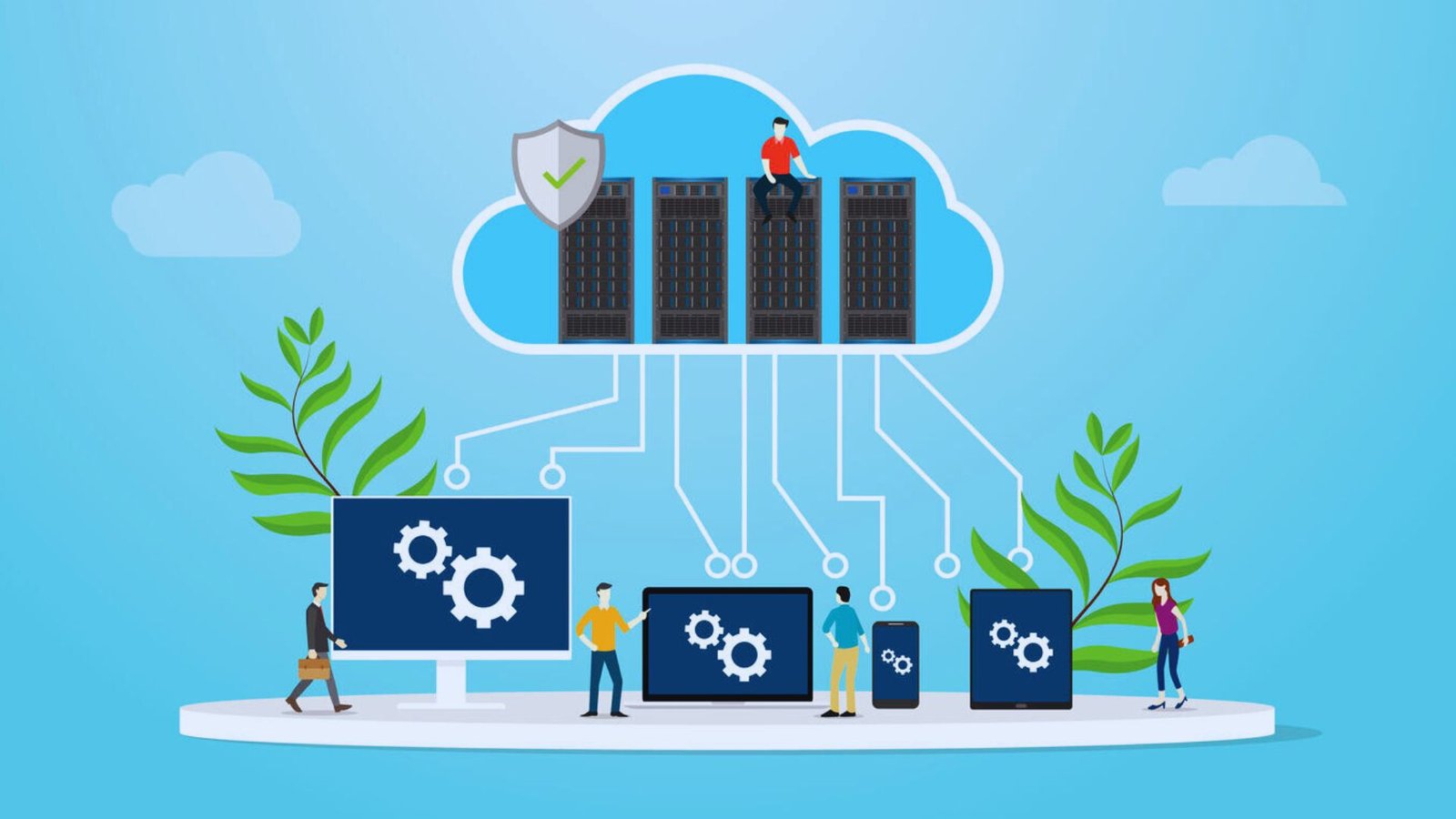


I’ve seen firsthand how cloud computing changes the way businesses operate. It’s not just a tech upgrade. It’s a business decision that affects everything from costs to growth.
Not long ago, companies needed expensive servers and full IT teams just to get basic systems running. Now, the same tools are available to anyone with an internet connection. That shift has leveled the playing field.
In this article, I’ll cover why cloud computing matters right now and how it helps companies stay competitive. No fluff. Just what you need to know.
What Is Cloud Computing?

Cloud computing means using the internet to access servers, storage, and software instead of owning physical hardware.
You pay for what you use, scale up when needed, and cut back when you don’t.
There are three main service models. IaaS gives you virtual servers and storage. PaaS gives developers tools to build apps. SaaS delivers ready-to-use apps like Gmail or Slack through a browser.
As for cloud types, public clouds are shared and managed by providers like AWS or Google Cloud.
Private clouds are used by one organization. Hybrid clouds mix both, and most large companies prefer this setup for flexibility and security.
Strategic Importance of Cloud Computing in Business Organizations
Cloud computing is no longer just an IT choice. It’s a business strategy that belongs in the boardroom, not just the server room.
Cloud Computing as a Long-Term Business Strategy

It’s not about switching tools. It’s about building a more flexible organization that adapts quickly.
Companies that align cloud use with business goals, not just cost savings, get far better results over time. The cloud gives businesses a foundation to grow on for years.
Aligning Cloud Adoption with Organizational Objectives

Moving to the cloud without a clear strategy rarely works.
Connect every cloud decision to a specific business goal. Want to speed up product releases? Serve customers faster?
Expand to new markets? Cloud supports all of that, but only when it’s tied to real objectives.
Why Cloud Infrastructure Is Critical for Modern Enterprises

For organizations operating at scale today, cloud isn’t optional.
Modern enterprises deal with massive data, distributed teams, and customers who expect always-on experiences.
Cloud infrastructure keeps systems running, enables real-time collaboration, and helps businesses respond fast. It’s the backbone of how work gets done.
Why Cloud Computing Is Important for Business Organizations Today

The business world moves fast. Cloud computing is one of the biggest reasons some companies keep up while others fall behind.
Faster Response to Changing Market Conditions
Speed is a real competitive edge, and cloud delivers it.
Markets shift, customer needs change, and new competitors appear overnight. Cloud lets businesses launch new services, expand to new regions, or adjust capacity in hours, not months.
Supporting Digital Operations and Innovation
Cloud is what makes modern business innovation possible.
It gives teams access to powerful tools, from AI to real-time data, without building everything from scratch.
That frees up time and money to focus on new products and better customer experiences.
Business Continuity and Disaster Recovery Advantages
With cloud, downtime doesn’t have to mean disaster.
Traditional IT recovery takes time. Cloud lets businesses back up data automatically, switch to backup systems quickly, and keep operations running during outages.
That reliability is critical for any organization that can’t afford to go dark.
Strategic Benefits of Cloud Computing for Business Organizations

The advantages of cloud go far beyond storing data online. When used with a clear plan, it delivers real value across every department.
Cost Efficiency and Reduced Capital Expenditure
Cloud shifts spending from big upfront costs to manageable monthly fees.
Businesses don’t need to buy servers, maintain large IT teams, or budget for hardware upgrades. That reduces financial risk and makes planning easier.
Scalability and Operational Flexibility
Cloud grows with you, without the growing pains.
Whether you’re handling a traffic spike or entering a new market, cloud resources scale on demand. You only pay for what you use.
Speed to Market and Improved Agility
Getting to market faster than competitors is a real advantage.
Cloud removes technical bottlenecks that slow teams down. Developers can spin up environments in minutes, run experiments, and push updates without waiting on IT or hardware.
Better Collaboration and Remote Workforce Support
Cloud keeps teams connected no matter where they work.
Documents, data, and apps are all accessible through a browser. Hybrid and remote teams depend on cloud tools to stay productive and aligned.
Access to Advanced Technologies (AI, Analytics, Automation)
Cloud puts enterprise-level technology within reach of any business.
Most companies can’t afford to build AI or analytics systems from scratch. Cloud providers offer these as ready-to-use services, so even small teams can automate tasks and gain insights from
Role of Cloud Computing in Business Growth and Competitive Advantage

Cloud computing doesn’t just support growth. It creates the conditions for it.
Innovation and Competitive Differentiation Through Cloud
Speed and flexibility are what separate innovative companies from the rest.
Cloud removes the friction that slows innovation. Teams can spin up environments in minutes, run experiments, and bring products to market faster without risking core systems.
Cloud-Enabled Global Expansion and Scalability
Expanding into new markets no longer requires massive IT setup.
With cloud, a company can serve customers in a new country within days. Cloud providers have data centers worldwide, so businesses can deliver fast, reliable experiences globally without heavy upfront investment.
Helping Small Businesses Compete With Large Enterprises
Cloud levels the playing field in a very real way.
A ten-person startup can now access the same AI tools, data platforms, and global servers as a Fortune 500 company. That kind of access used to be out of reach for smaller businesses.
Practical Tips to Maximize the Strategic Value of Cloud Computing
Getting the most from cloud computing takes more than just adopting it. It takes a clear plan and consistent action.
- Start with business outcomes, not technology. Define what success looks like before choosing any cloud service. Revenue growth, faster service, lower costs? Work backward from there.
- Migrate critical workloads in phases. Don’t move everything at once. Start with lower-risk systems, learn from the process, then tackle more complex workloads.
- Continuously monitor performance and costs. Cloud is not set-and-forget. Use monitoring tools to track resource usage, costs, and performance, and adjust regularly.
- Invest in cloud security and governance. Create clear policies for data access, storage, and incident handling. Build security into your operations from the start, not as an afterthought.
- Update your cloud strategy as your business evolves. Review it at least once a year and make sure it still lines up with where your company is headed.
Conclusion
Organizations that use cloud strategically, not just as a cost-cutting measure, grow faster and adapt to change better.
The strategic importance of cloud computing in business organizations is clear in both research and real-world results.
Companies that treat the cloud as a strategy always come out ahead of those that treat it as just another tool.
If you found this helpful, leave a comment below. Have experience with cloud adoption? I’d love to hear what worked for you.
Frequently Asked Questions
What is the strategic importance of cloud computing in business organizations?
Cloud computing helps businesses cut costs, move faster, and access advanced technology without heavy infrastructure investment.
How do research papers explain cloud computing’s strategic value?
Studies show that structured cloud adoption improves performance, reduces IT costs, and speeds up innovation.
Is cloud computing suitable for small and medium businesses?
Yes. Cloud removes large upfront IT costs and gives smaller companies access to tools once only available to large enterprises.
What are the risks of not adopting cloud computing?
Businesses that avoid the cloud fall behind on speed, cost, and innovation. The gap between cloud and non-cloud businesses keeps growing.
How can a business start using cloud computing strategically?
Identify the problems you want cloud to solve, move workloads in phases, train your team, and build security in from the start.