

If you’ve heard the terms gynoid vs android and felt confused, you’re not alone. These words describe where your body stores fat, and that matters more than most people realize.
In this article, I’ll break down what each type means, how they affect your health, and what you can do about it.
I’ve spent time researching this topic, and I want to give you clear, honest information you can actually use. We’ll cover body types, health risks, how to measure your fat pattern, and real tips to manage it.
Let’s get into it.
Understanding Gynoid & Android Body Types

Your body has its own way of storing fat, and it is not random. Some people store fat around the belly and upper body. Others store it around the hips, thighs, and lower body. Genetics, hormones, and lifestyle all play a role in where that fat ends up.
Doctors use the terms gynoid and android to describe these two common fat distribution patterns. Understanding which pattern applies to you is more than a body shape conversation. It is a window into your metabolic health and long-term disease risk.
The android pattern is linked to higher risks like heart disease and diabetes. The gynoid pattern carries different but still real concerns. Knowing your pattern helps you make smarter choices about food, exercise, and health monitoring before problems develop.
What Is Android Obesity?
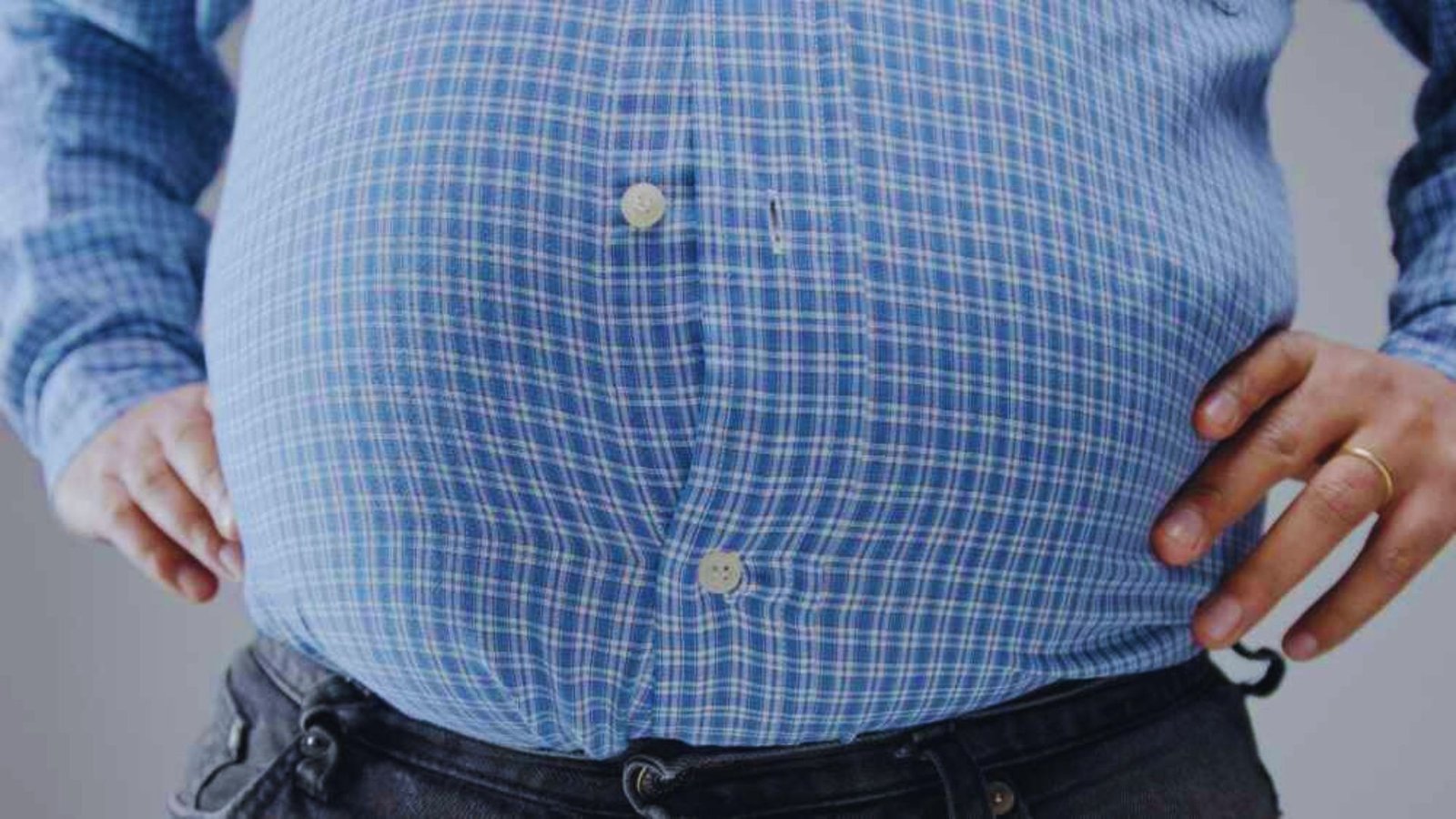
Android obesity means fat builds up around the belly, giving the body an apple-like shape.
Where Android Fat Is Stored
Android fat collects in the abdominal area. This includes the stomach, chest, and upper back. People with this pattern often have a wider waist compared to their hips.
Visceral Fat and Organ Health
A big concern with android fat is visceral fat. This type of fat wraps around your organs, including the liver, kidneys, and intestines. It sits deep inside the belly, not just under the skin. Visceral fat is metabolically active, meaning it releases harmful compounds that affect how your body works.
Health Risks Linked to Android Obesity
Android fat is not just a cosmetic concern. It is directly tied to some of the most common chronic diseases.
Android fat distribution is linked to:
Android fat goes beyond appearance and raises your risk for some serious long-term health conditions.
- Type 2 diabetes
- High blood pressure
- Heart disease
- High cholesterol
- Non-alcoholic fatty liver disease
These risks are serious. That’s why belly fat gets so much attention in medical research.
Who Is More Likely to Develop Android Fat
Men are more likely to carry fat in the android pattern. After menopause, women also shift toward storing more abdominal fat due to falling estrogen levels. Age, poor diet, and low physical activity all increase the chance of android fat buildup.
What Is Gynoid Obesity?

Gynoid obesity means fat settles in the lower body, creating a pear-like shape.
Where Gynoid Fat Is Stored
Gynoid fat collects in the hips, thighs, buttocks, and lower belly. The waist stays relatively narrower compared to the lower body. This is sometimes called a pear shape.
Subcutaneous Fat vs Visceral Fat
Gynoid fat is mostly subcutaneous fat, meaning it sits just under the skin. Unlike visceral fat, it does not wrap around organs. This makes it less immediately dangerous to your heart and metabolism.
Health Implications of Gynoid Obesity
Gynoid obesity is generally considered lower risk than android obesity.
However, it is not risk-free. Excess fat in any form can lead to:
- Joint pain, especially in the knees and hips
- Varicose veins
- Hormonal imbalances
- Increased BMI and physical strain
Why Gynoid Fat Can Be Stubborn
Many people find gynoid fat very hard to lose. The body holds onto lower-body fat as an energy reserve, especially in women. Hormones like estrogen signal the body to protect fat in these areas. This is why spot reduction rarely works for the hips and thighs.
Gynoid & Android Fat Major Health Risk Differences

A direct look at how these two fat patterns compare when it comes to serious health outcomes.
Diabetes and Insulin Resistance
Android fat, especially visceral fat, is strongly linked to insulin resistance. When fat builds around the belly, it interferes with how the body uses insulin. This raises blood sugar over time and can lead to type 2 diabetes.
Gynoid fat has a weaker connection to insulin resistance. Research shows that pear-shaped individuals tend to have better blood sugar control than apple-shaped individuals.
Cardiovascular Risk Comparison
People with android fat patterns face a higher risk of heart attacks and strokes. Visceral fat triggers inflammation and raises LDL (bad cholesterol) while lowering HDL (good cholesterol).
Gynoid fat carries a lower cardiovascular risk overall, though extreme obesity of any kind still stresses the heart.
Hormonal and Gender Influences
Estrogen promotes gynoid fat storage. This is why women of reproductive age often carry more fat in the lower body. Testosterone promotes android fat storage, which explains why men tend to gain belly fat more easily.
After menopause, estrogen drops, and many women begin shifting toward android patterns.
Which Fat Type Is More Dangerous?
Android fat is more dangerous. Visceral fat is directly linked to inflammation, metabolic disease, and organ damage. Gynoid fat, while harder to lose, poses fewer immediate risks to your health.
How to Measure Gynoid vs Android Body Shape

Simple measurement tools can help you understand your fat distribution pattern at home.
What Is Waist-to-Hip Ratio (WHR)?
Waist-to-hip ratio (WHR) is a simple calculation that compares your waist size to your hip size. It helps identify your fat distribution pattern without any expensive equipment.
WHR Risk Cutoffs for Men and Women
These numbers help you understand where you stand and how much risk your current measurements carry.
Here are the standard risk thresholds:
Men:
- Low risk: Below 0.90
- High risk: Above 0.90
Women:
- Low risk: Below 0.85
- High risk: Above 0.85
Numbers above these limits suggest an android fat pattern with higher health risks.
Step-by-Step Measurement Guide
Follow these four simple steps at home to calculate your waist-to-hip ratio in minutes.
Follow these steps to calculate your WHR:
- Stand straight and breathe out normally
- Measure your waist at the narrowest point, usually just above the belly button
- Measure your hips at the widest point, usually across the buttocks
- Divide your waist number by your hip number
Example: Waist 34 inches, Hips 40 inches = 34 ÷ 40 = 0.85 WHR
Practical Tips to Manage Gynoid & Android Obesity

Targeted lifestyle changes that support fat loss and better health based on your specific body pattern.
- Cut back on added sugars, refined carbs, and processed foods to reduce visceral fat buildup around the belly.
- Eat more fiber from vegetables, legumes, and whole grains to support better blood sugar and digestion.
- Limit alcohol regularly, as it is one of the biggest contributors to android fat storage.
- Do at least 30 minutes of cardio most days, such as walking, cycling, or swimming, to burn overall body fat.
- Add lower-body exercises like squats, lunges, and step-ups to target gynoid fat in the hips and thighs.
- Include two to three strength training sessions per week using compound movements to boost metabolism and reduce visceral fat.
- Monitor your fasting blood sugar, cholesterol, and blood pressure regularly, especially if you carry android fat.
Conclusion
Understanding gynoid vs android fat patterns changed how I think about health. It’s not just about how you look.
It’s about what’s happening inside your body. If you carry android fat, take your belly health seriously. If you carry gynoid fat, know that it’s harder to lose but less dangerous.
Either way, small daily changes add up. Start with one step this week, whether that’s a walk, a better meal, or a health check. If this helped you, drop a comment or share it with someone who needs it.
Frequently Asked Questions
What is the main difference between gynoid and android fat?
Android fat collects around the belly and is linked to higher metabolic risk. Gynoid fat settles in the hips and thighs and is generally less harmful to organ health.
Is gynoid or android obesity more dangerous?
Android obesity is considered more dangerous because visceral fat surrounds internal organs and raises the risk of diabetes, heart disease, and inflammation.
Can you change your fat distribution pattern?
You cannot fully change your genetic fat pattern, but lifestyle changes like diet and exercise can significantly reduce fat in both android and gynoid areas over time.
How do I know if I have android or gynoid fat distribution?
Calculate your waist-to-hip ratio. A high ratio points to android distribution. A lower ratio with wider hips compared to your waist suggests a gynoid pattern.
Does gynoid fat ever become dangerous?
Yes. While gynoid fat is lower risk than android fat, severe obesity in any pattern can lead to joint problems, hormonal disruption, and increased strain on the cardiovascular system.