


I remember the first time I walked into a conference room with a full AV setup. The crisp visuals, the clear sound, it all felt like a different world.
If you’ve ever asked what AV technology is and how it actually works, you’re in the right place.
This guide breaks it all down for you. From the basics of audio and visual systems to how they work in real life, I’ll walk you through everything in simple terms.
You’ll also learn where AV technology is used and how to pick the right system for your needs. No complicated jargon, just clear and helpful information.
What is AV Technology?
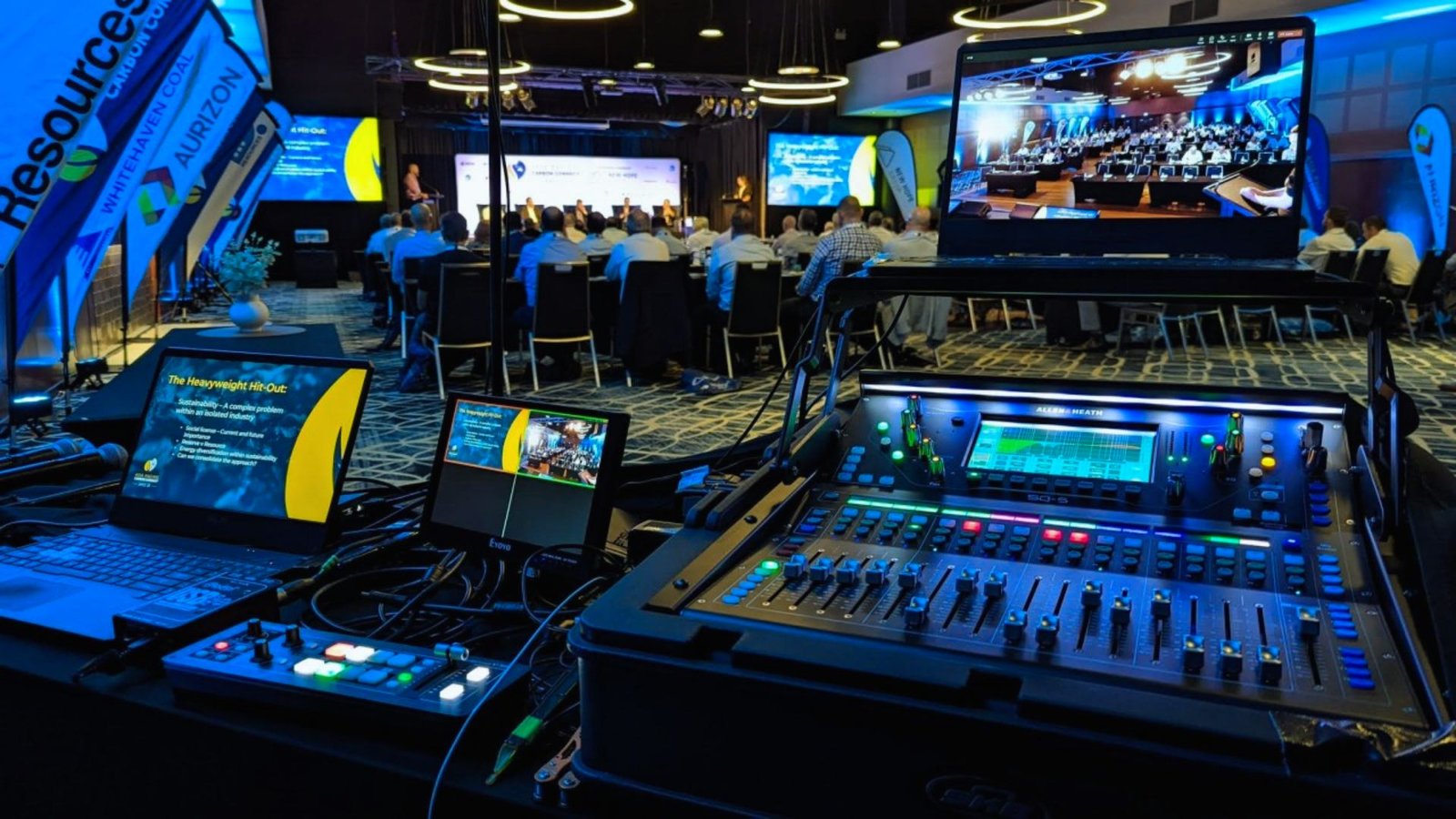
AV technology combines audio and visual tools to deliver clear, connected communication across spaces and platforms.
AV technology stands for audio-visual technology. It brings together sound and video into one connected system.
The goal is simple: make communication clearer and more effective.
It includes three main parts.
Hardware: Physical tools like projectors, screens, microphones, and speakers.
Software: Programs like video conferencing platforms and control applications.
Content: Videos, live streams, and slideshows delivered through the system.
AV systems are used in conference rooms, classrooms, event venues, and retail stores. When sound and visuals work in sync, the message lands with more impact.
History and Evolution of AV Technology

From early lantern slides to AI-driven displays, AV technology has come a long way over the decades.
Early AV Innovations
How the first audio and visual tools shaped the foundation of modern AV systems.
In the 1800s, magic lanterns and lantern slides were used to project images onto walls. Thomas Edison introduced the phonograph to record and play back sound.
The Lumière brothers followed with motion pictures in the 1890s. These early tools started it all.
Digital Revolution
The shift from analog to digital changed how audio and video were recorded, stored, and delivered.
The mid-20th century brought big changes. Stereo sound, VHS tapes, CDs, and DVDs improved how audio and video were stored and played.
LCD projectors changed presentations, and wireless microphones gave speakers more freedom on stage.
Modern AV Technologies
Today’s AV systems are smarter, faster, and more connected than ever before.
Today, high-definition displays, video walls, and smart TVs deliver sharp visuals that were not possible a decade ago.
AI can auto-adjust audio levels and track speakers automatically. Cloud-based systems allow remote control, and wireless connectivity has made setups cleaner and more flexible.
How AV Technology Works
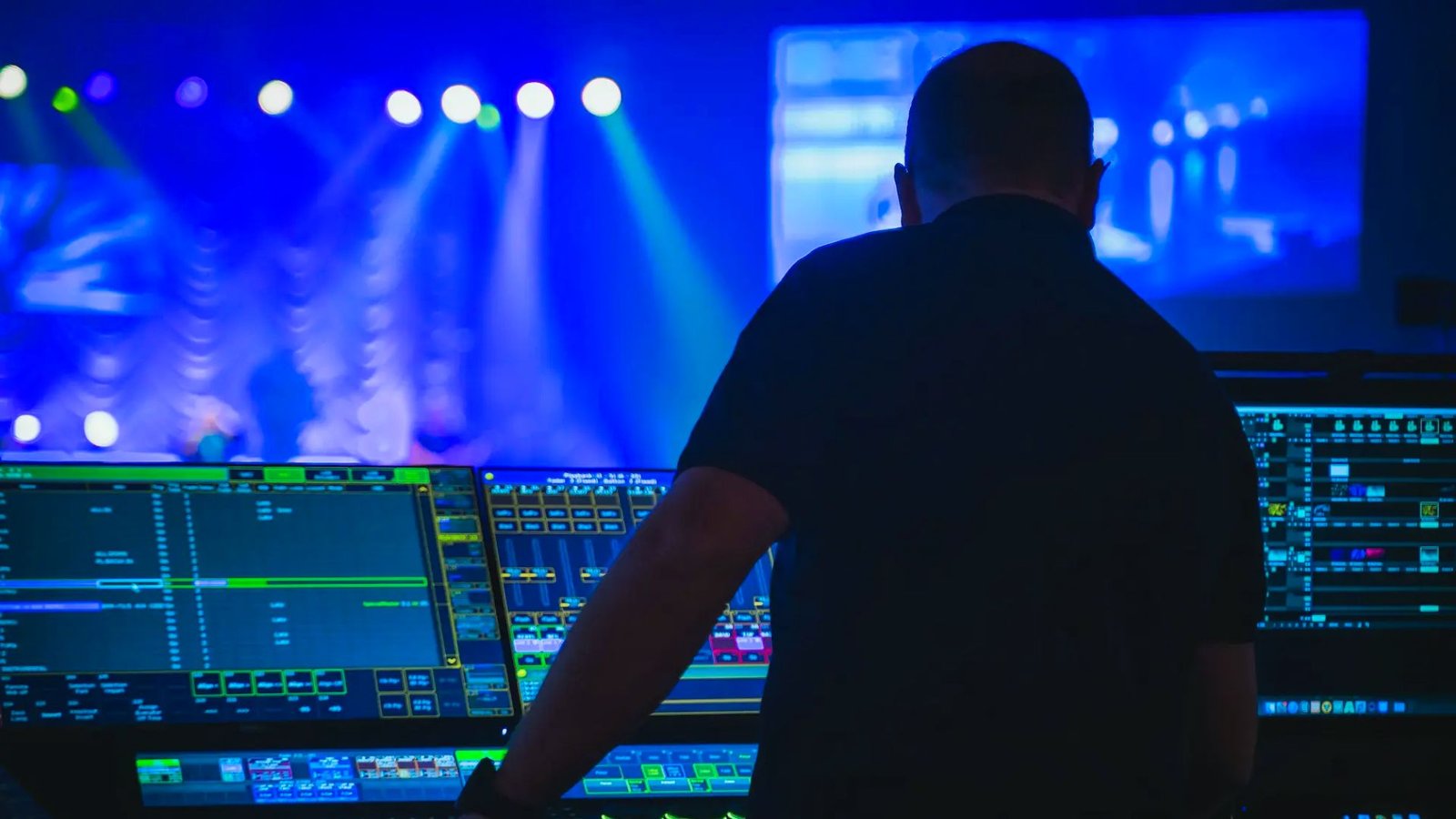
A look at the systems, signals, and software that keep audio and visual components working together.
Audio and Video Synchronization
When sound and visuals match up perfectly, communication feels natural and effortless.
Synchronization keeps audio and video aligned. Digital signal processing, or DSP, handles this by removing noise, adjusting levels, and managing display output in real time.
When microphones, speakers, and displays work together without delay, communication feels smooth.
Networked AV Systems
Wired and wireless networks form the backbone of any reliable AV installation.
AV systems run over wired cables like HDMI or fiber optic lines, or wirelessly over Wi-Fi. Wired setups are more stable while wireless offers more flexibility. Many installations use both.
Proper cabling and labeling keep setups easy to manage.
Software and Control Systems
The software behind an AV system ties every component together into one working setup.
AV management software lets operators control all devices from one interface. Platforms like Zoom, Microsoft Teams, and Cisco Webex rely on AV technology to run meetings.
Livestreaming tools connect live events to online audiences in real time.
Applications of AV Technology
AV technology is changing how people connect, learn, and experience the world across many industries.
Corporate and Business Use

AV systems are now a core part of how modern businesses communicate and collaborate.
Video conferencing connects teams across locations without travel. Digital signage keeps information flowing across offices and lobbies.
Hybrid workspaces depend on AV systems to keep everyone connected.
Education

AV technology has reshaped the classroom and made learning more interactive and accessible.
Interactive whiteboards and classroom sound systems make lessons more engaging. E-learning platforms give students access to recorded and live virtual classes from anywhere.
Virtual labs simulate real-world experiments in a digital space.
Entertainment and Events

From live concerts to virtual reality, AV technology powers the experiences people remember most.
Concerts and sports events use large screens and powerful speakers to create memorable experiences.
Streaming has brought performances to audiences who cannot attend in person. Virtual and augmented reality create immersive digital worlds.
Other Industries

AV technology extends far beyond business and entertainment into everyday spaces and services.
Museums use audio guides and interactive displays to bring exhibits to life. Retail spaces use digital signage to influence shoppers.
Healthcare facilities rely on AV tools for patient education and telemedicine.
Advantages of AV Technology

AV technology brings real, practical benefits to communication, learning, and collaboration across industries.
Better Collaboration: Clear audio and sharp visuals make meetings run smoother. Ideas are easier to follow and decisions happen faster when everyone can see and hear clearly.
Stronger Engagement: People retain information better when it comes through both sound and visuals. This applies in classrooms, training sessions, and live events alike.
Immersive Experiences: This is especially valuable in entertainment, virtual tours, and training simulations. When people feel present in an experience, they connect with it on a deeper level.
Remote Communication Support: AV systems connect people across different locations as if they are in the same room. Teams can collaborate in real time without the cost or time of travel.
Higher Productivity: With the right AV tools in place, less time goes toward fixing technical problems and more time goes toward actual work. Fewer interruptions mean a more focused environment for everyone.
Tips for Choosing the Right AV Technology
The right AV system depends on your goals, space, budget, and long-term needs.
- Start with your goals. Think about what you need the system to do before buying anything. Knowing your purpose makes every other decision easier.
- Set a realistic budget. Factor in hardware, software, installation, and maintenance. Think beyond the upfront price.
- Check technical requirements. Consider the size of the space and the number of users. Make sure the system can handle your needs.
- Look for ease of use. Choose tools your team can learn quickly and use confidently without constant support.
- Plan for the future. Look for systems that can be updated or expanded over time as your needs grow.
Conclusion
I’ve learned over time that good AV technology doesn’t just improve how things look or sound. It changes how people connect.
After years of writing about tech topics, I genuinely believe that investing in the right AV setup can make a big difference in how your business, school, or event comes across.
Now that you know what AV technology is and how it works, the next step is yours.
If this helped, drop a comment below or share it with someone who could use it.
Frequently Asked Questions
What is AV technology used for?
AV technology is used for business presentations, classroom learning, live events, and video conferencing. It helps deliver audio and visual content clearly across many settings.
What are the main components of AV technology?
The main components are microphones, speakers, projectors, display screens, and control software. These work together to create a complete communication setup.
How do AV systems improve business communication?
AV systems make meetings more engaging by combining clear audio with sharp visuals. They also support remote teams through video conferencing tools.
What is the future of AV technology?
The future includes more AI integration, cloud-based management, and wireless systems. Expect greater use of virtual and augmented reality as well.
Do small businesses need AV technology?
Yes, even a basic display, good speakers, and a reliable conferencing tool can improve client meetings and team collaboration for small businesses.