
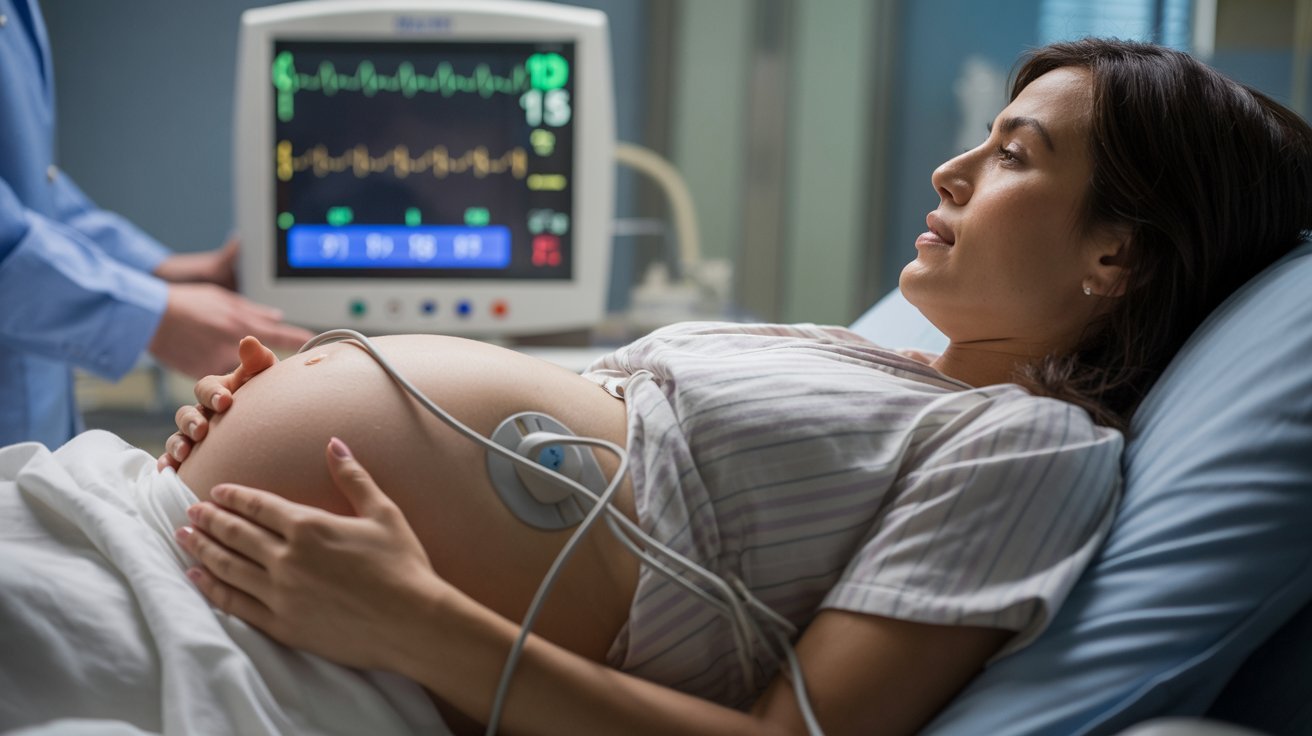
Watching numbers rise on a contraction monitor can feel overwhelming. I’ve been there, and I know how confusing those readings can be when you’re already anxious.
This article explains what is a high contraction number on a monitor, breaks down the typical ranges, and tells you what to watch for at each stage of labor. You’ll also learn when to loop in your healthcare provider.
I’ve covered maternal health content for years, so you can trust that this information is clear and grounded. Let’s make those monitor numbers easier to understand.
Understanding Contraction Monitor Readings
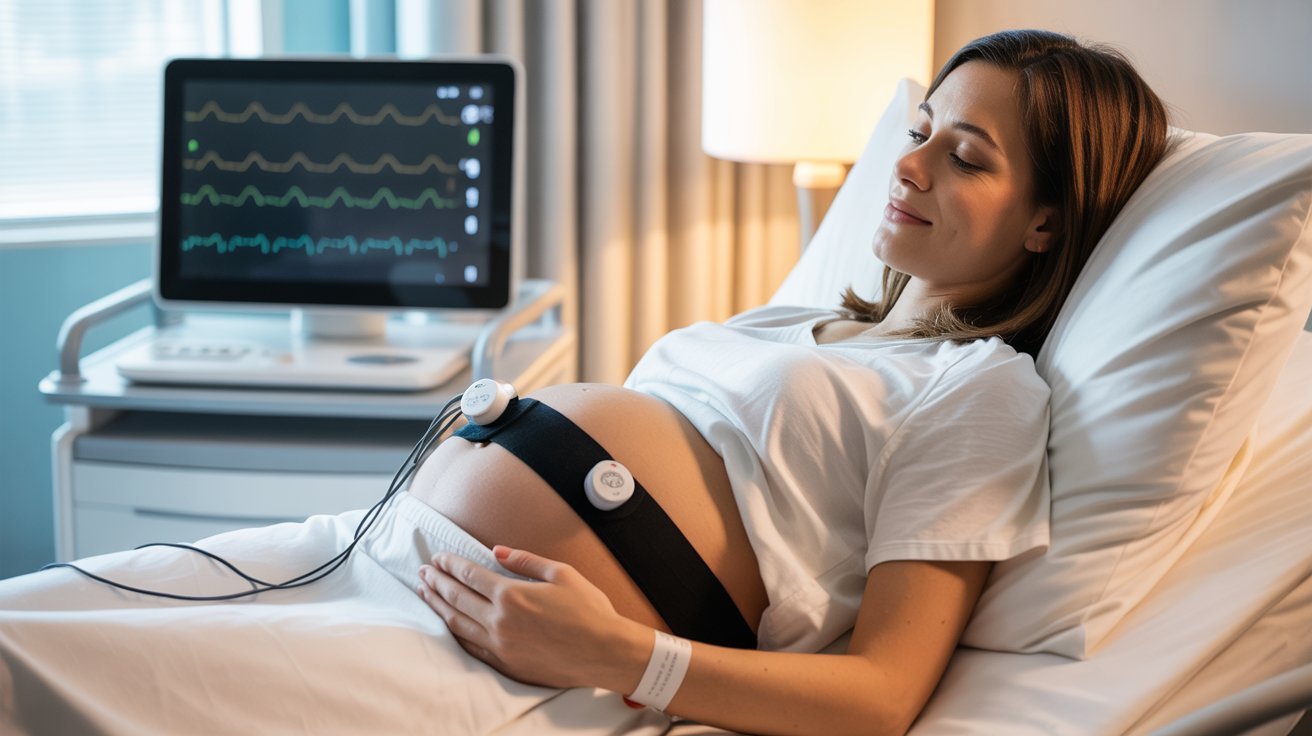
A contraction monitor tracks uterine activity during labor. It records the frequency, timing, and intensity of contractions. Most hospitals use external monitoring, where a small sensor is placed on the belly and held in place with a strap.
It picks up muscle tension as the uterus contracts and sends that data to a screen in real time. This helps doctors and nurses watch how labor is progressing and how the baby is responding to each contraction.
It is a key tool for keeping both parent and baby safe throughout the process.
What the TOCO Number Means

The TOCO reading measures uterine tension, and knowing its range helps you understand what the monitor is really showing.
What TOCO Stands For
TOCO stands for tocodynamometer. It measures the pressure or tightening of the uterus during a contraction. The number on the screen reflects that tension level.
At rest, a TOCO number usually sits between 5 and 15. During a contraction, that number climbs depending on the stage of labor and the placement of the monitor.
How Accurate Are TOCO Readings
TOCO numbers are not a perfect measure of contraction strength. They give a general sense of intensity but are not always precise.
Think of them as a helpful guide rather than an exact measurement.
What Is a High Contraction Number on a Monitor?

Understanding what counts as a high reading helps you stay informed and avoid unnecessary worry.
Defining Low, Moderate, and High Readings
Here is a simple breakdown of general number ranges;
Low: 5 to 25 (typical during early or pre-labor)
Moderate: 25 to 60 (common in active labor)
High: 60 to 100 or above (seen in strong, active labor)
These ranges are general guidelines, not fixed rules. Every person’s body responds differently, and every monitor is slightly different too.
When a Contraction Is Considered Strong
A reading above 60 is often considered a strong contraction. But the number alone does not tell the whole story. Consistency matters more than one high spike.
If contractions are reading above 60 repeatedly and coming every 2 to 3 minutes, that is a sign labor is moving along actively. Your care team will look at the full picture, not just a single number.
Contraction Number Ranges Across Labor Stages
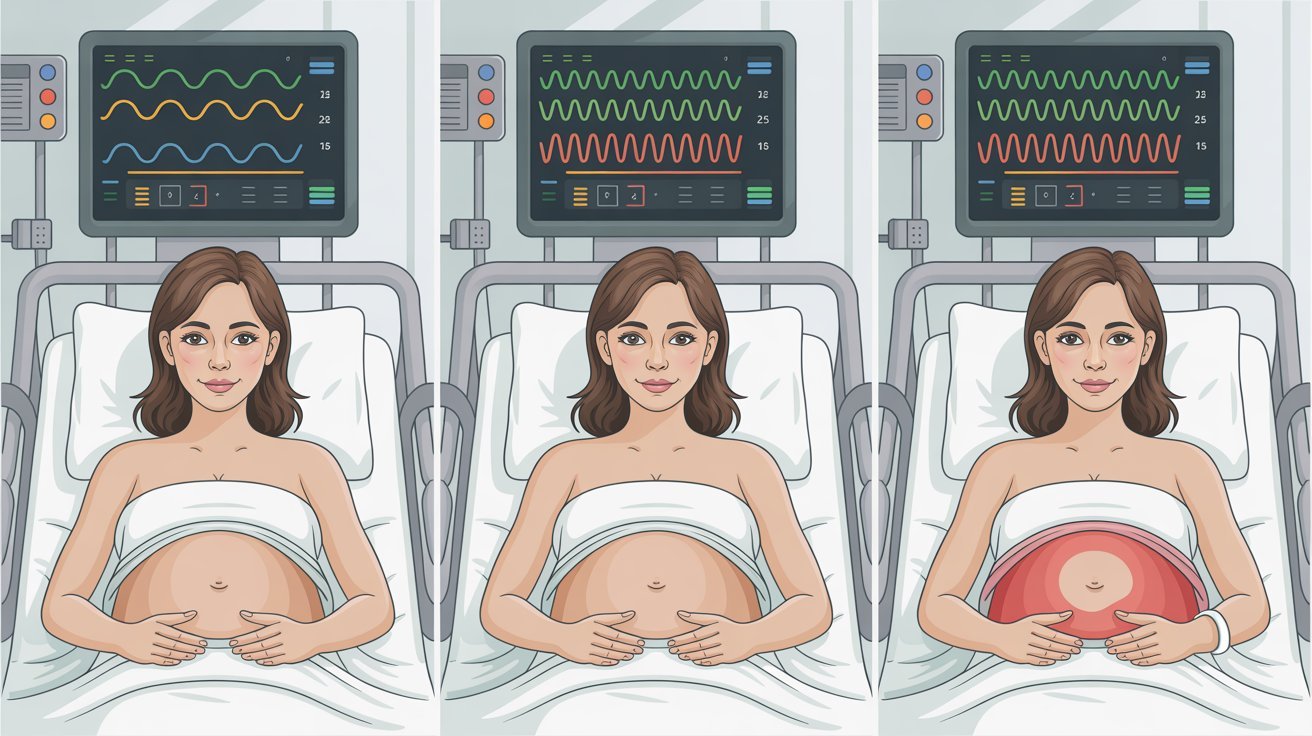
Each stage of labor brings different contraction patterns, and the numbers on the monitor reflect those changes.
Braxton Hicks Contractions
Braxton Hicks contractions are practice contractions. They usually range from 5 to 25 on the monitor. They feel mild and irregular.
They do not follow a steady pattern and typically do not lead to cervical change.
If you are seeing low readings with no real rhythm, it may just be your body getting ready.
Active Labor Contractions
During active labor, contraction readings typically fall between 40 and 70. The contractions come more often and last longer.
You will likely feel them more intensely at this stage.
The numbers will start to climb as labor picks up pace. Higher readings are expected and normal at this point.
Second Stage Contractions
In the second stage of labor, readings can reach 60 to 100 or higher. These are the strongest contractions of the process. The body is working hard to push the baby down and out.
At this stage, high numbers are expected. What matters is that the baby is handling each contraction well, which is why fetal heart rate monitoring runs alongside the TOCO reading.
Factors That Influence Contraction Numbers

Several factors can affect the numbers you see on the monitor, and not all of them relate to actual contraction strength.
Monitor Placement
Where the sensor sits on the belly makes a big difference. If it slips out of position, the reading may drop even during a strong contraction.
A well-placed sensor gives more accurate results.
Nurses often reposition the sensor throughout labor to keep readings reliable.
Body and Movement Factors
Body type, fluid levels, and movement can all affect the reading. Repositioning, coughing, or shifting can cause brief spikes that do not represent actual contractions.
Heavier abdominal tissue can also dampen the signal, which may lead to lower-than-actual readings.
This is one reason why TOCO numbers are considered relative rather than absolute.
Device Sensitivity
Different monitoring equipment has different sensitivity levels. What reads as 70 on one machine may read as 55 on another. Hospitals often calibrate to their specific equipment.
Always ask your care team if you are unsure what the numbers mean on the monitor being used.
How to Interpret High Contraction Numbers
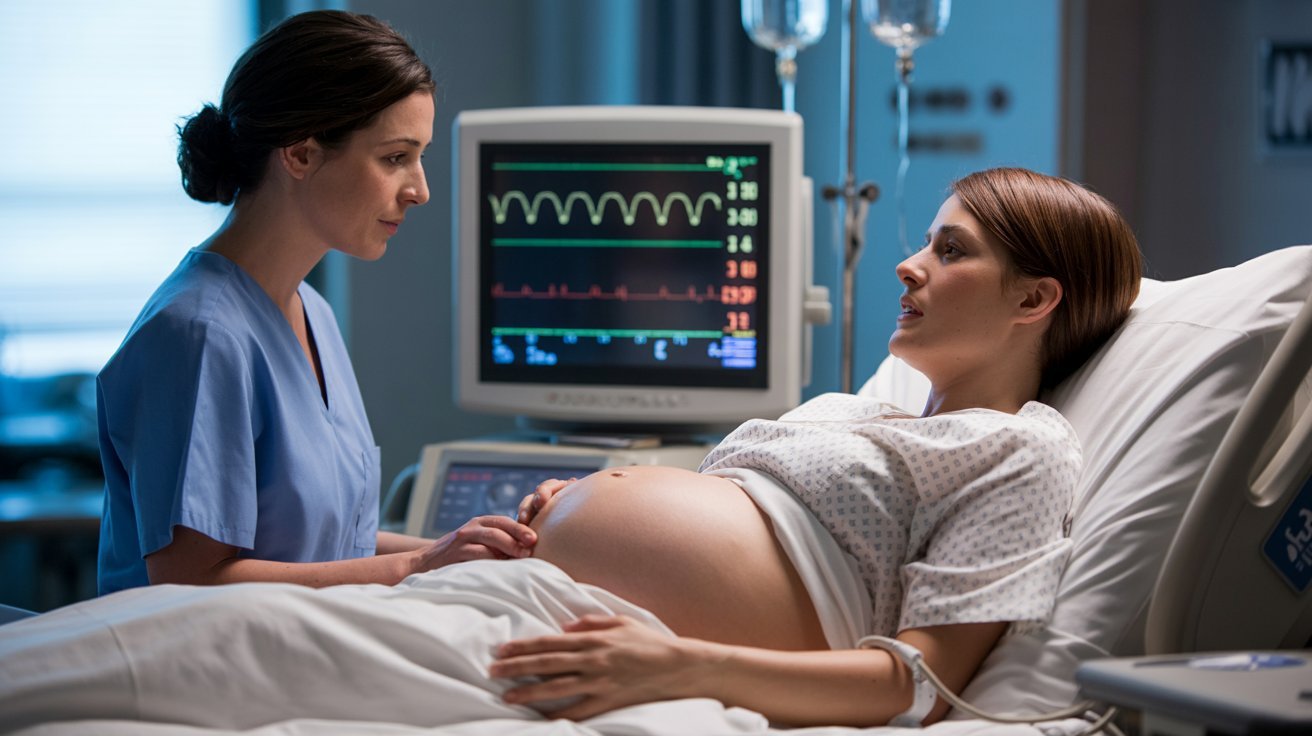
Reading contraction numbers correctly means looking at the full picture, not just one spike on the screen.
Looking at Patterns Over Time
One high reading does not mean much on its own. What matters is the trend. Are numbers climbing steadily?
Are contractions coming at regular intervals? Patterns tell you far more than any single number. Your care team reads the full monitoring strip, not just isolated peaks.
Other Signs to Consider
High TOCO numbers should always be read alongside other factors. Cervical dilation shows how far labor has progressed.
Contraction frequency every 2 to 3 minutes suggests active labor. Fetal heart rate shows how the baby is handling each contraction. These factors work together to give the full picture.
Tips for Understanding Monitor Readings
A few practical habits can help you stay calm and make better sense of what you are seeing on the screen.
- Focus on patterns over time, not single high readings.
- Stay calm and avoid reading too much into one number.
- Always ask your nurse or doctor to explain what you see.
- Never self-diagnose based on monitor values alone.
- Trust your care team, they are watching the full picture.
Conclusion
Understanding what is a high contraction number on a monitor helped me feel far less anxious in the labor room.
Watching those numbers climb felt scary at first, but once I knew the ranges, it all made more sense. Numbers above 60 are common in active labor, and context always matters more than a single spike.
Talk to your care team if anything feels confusing or concerning. Drop a comment below if this helped you, or share it with someone who is expecting. You are more prepared than you think.
Frequently Asked Questions
What is a normal contraction number on a monitor?
At rest, numbers usually stay between 5 and 15. During labor, readings between 40 and 70 are common, depending on the stage.
Does a higher TOCO number mean more pain?
Not always. The monitor measures uterine tension, not pain. Pain levels vary from person to person and do not always match the number on screen.
What does it mean if the contraction number goes above 100?
Readings above 100 can happen during strong, late-stage labor. Let your care team know right away if you are unsure or concerned about any reading.
Can body position affect contraction monitor readings?
Yes. Shifting position, coughing, or moving can cause brief spikes. Sensor placement also plays a big role in how accurate the reading is.
Is the TOCO number the same on every monitor?
No. Different machines have different sensitivity levels. Your care team will interpret your readings based on the specific equipment in use.