

Technology is everywhere, and so are the systems that keep it running.
I used to think this was a topic only engineers needed to understand, but these systems touch every part of daily life, from the thermostat in your home to the software running a hospital.
In this article, I break down the major categories, real-world use cases, and how technology systems work across industries.
If you manage a business or just want to understand the digital world better, this guide keeps it simple and straight to the point.
What Are Technology Systems?

A technology system is a set of connected components, including hardware, software, data, and processes, that work together to complete a task or solve a problem.
These systems operate across both digital and physical environments.
They include networks, sensors, human interaction, and automated processes that help organizations run smoothly.
From a hospital database to a factory floor robot, technology systems are the backbone of how modern operations function.
Automation and sensor integration have made these systems faster, smarter, and more reliable than ever before.
Major Categories of Technology Systems
There are many types of technology systems, each built for a specific purpose and industry.
Information Technology Systems
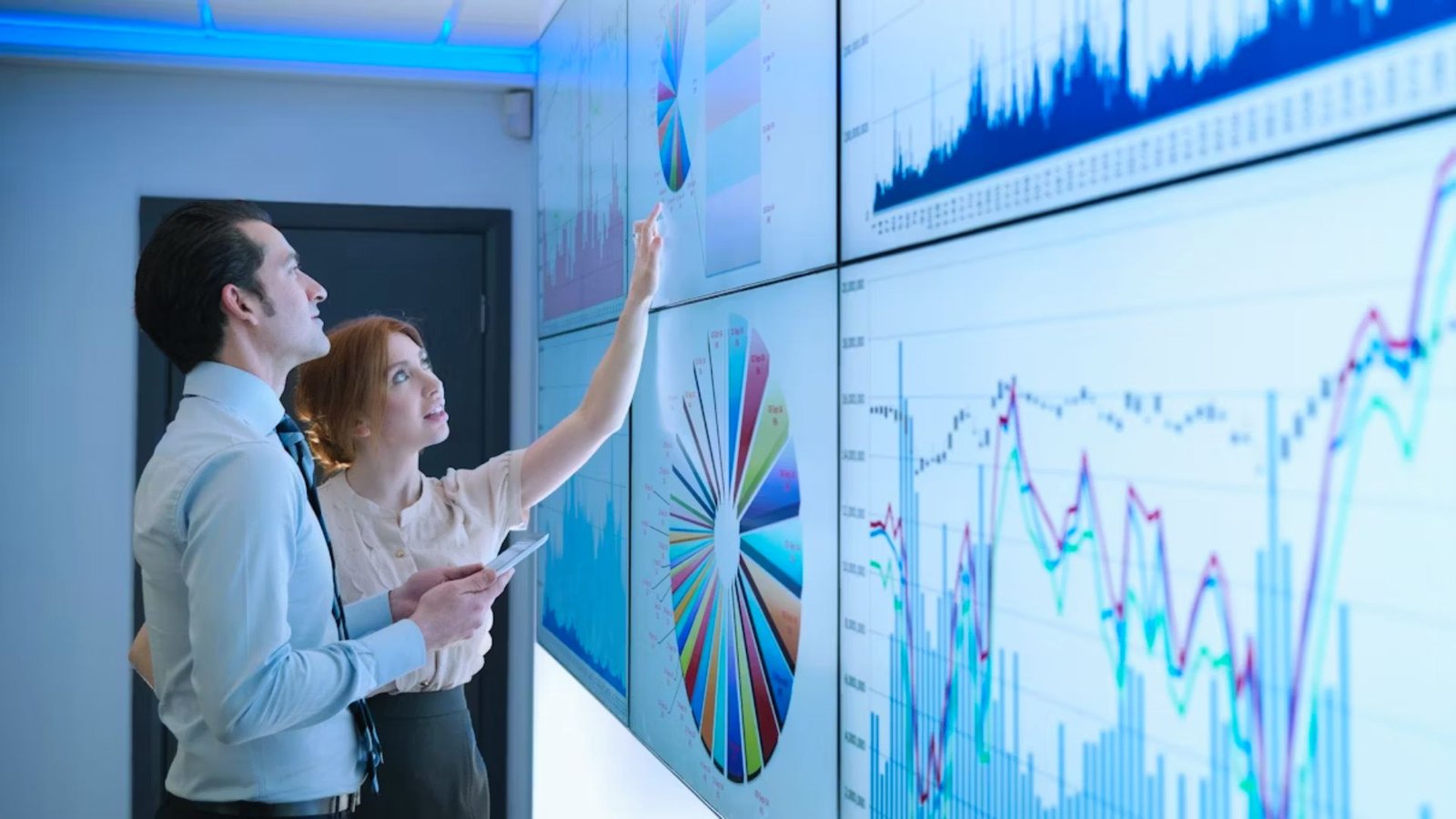
The foundation of digital operations in nearly every modern business.
Information technology systems manage digital data and support business operations.
They include cloud platforms, databases, and cybersecurity software that store, process, and protect information across networks.
As businesses grow, cloud-based solutions have become the go-to choice for keeping up with increasing data demands.
Healthcare Information Technology Systems

Built to support real-time clinical decisions while protecting sensitive patient data.
In hospitals and clinics, healthcare information technology systems manage patient records, billing, diagnostics, and care coordination.
Unlike general IT systems, healthcare IT must comply with strict data privacy regulations.
These platforms allow medical teams to access patient histories instantly, reducing the risk of errors during treatment.
Building Technology Systems
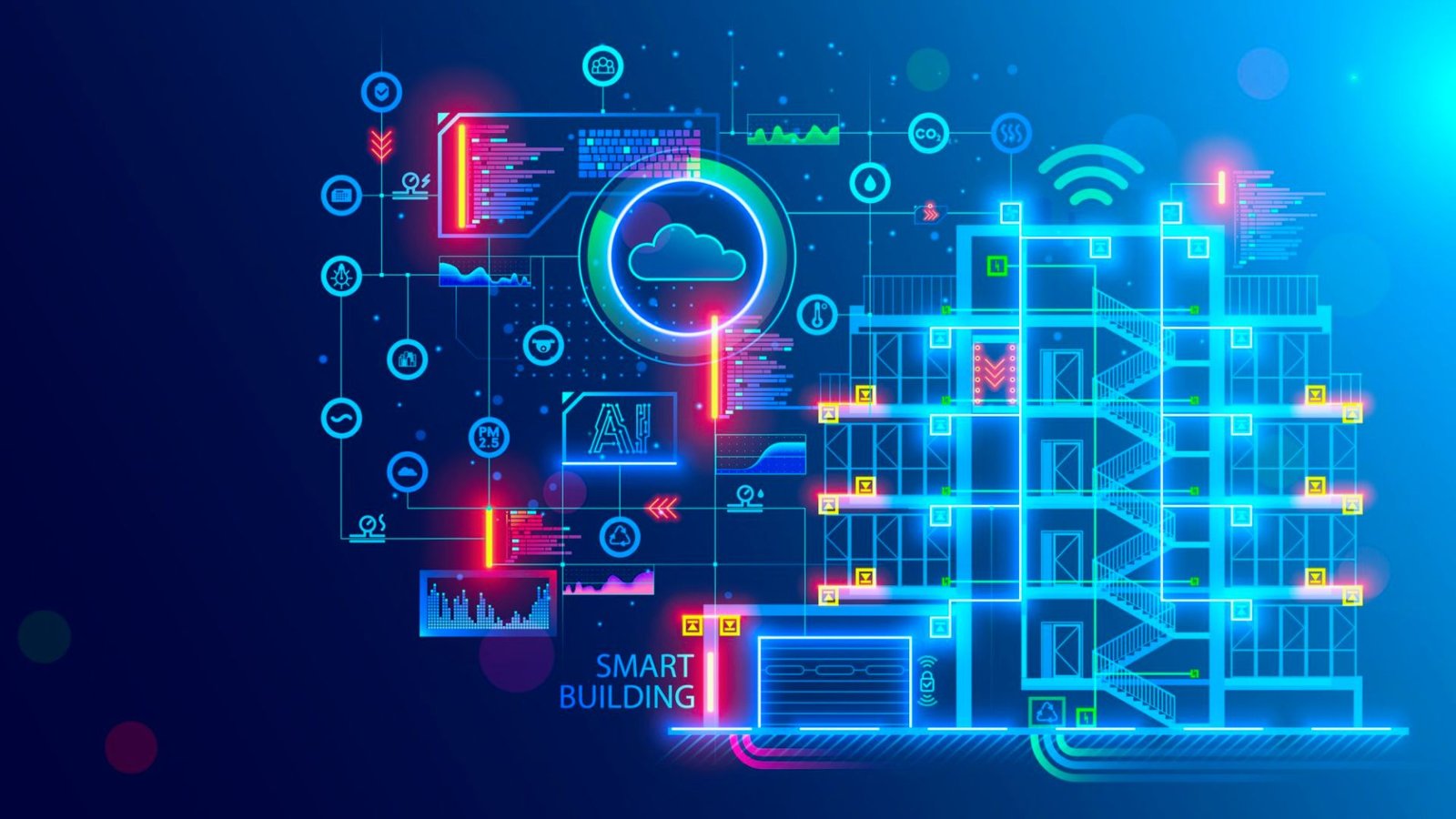
Keeps commercial spaces safe, energy-efficient, and properly managed around the clock.
Building technology systems cover HVAC, lighting controls, fire safety, and access management.
Smart building systems adjust temperature and lighting based on occupancy, cutting energy costs over time.
Property managers use centralized dashboards to monitor everything in one place and catch issues early.
Residential Technology Systems
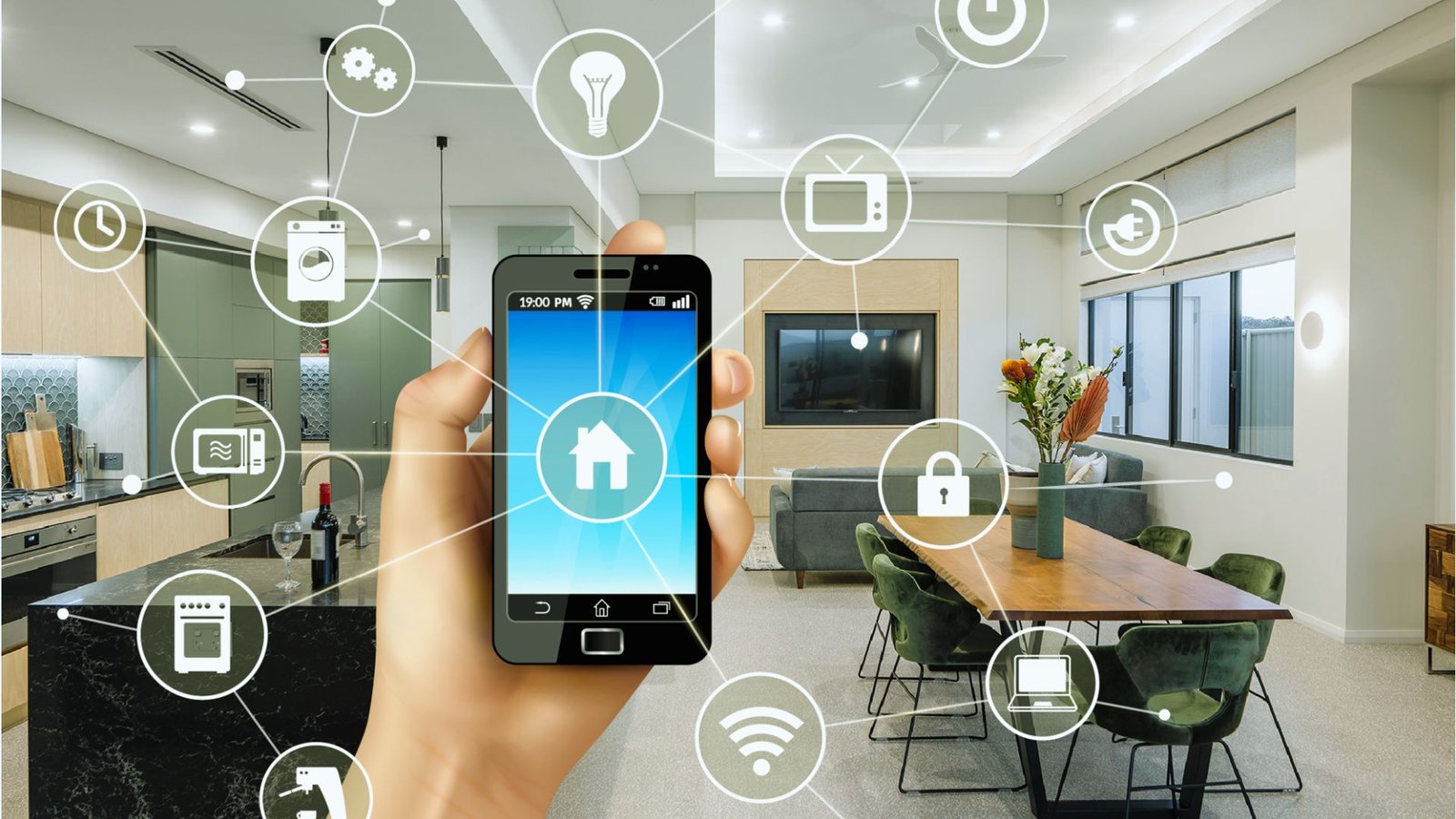
Gives homeowners more control over their environment while cutting down on energy waste.
Residential technology systems include smart thermostats, security cameras, voice assistants, and energy management tools.
A smart thermostat learns your schedule and adjusts automatically, while home security systems offer real-time alerts from a smartphone.
These tools have become far more affordable, making smart home technology accessible to most households.
Procurement Technology Systems
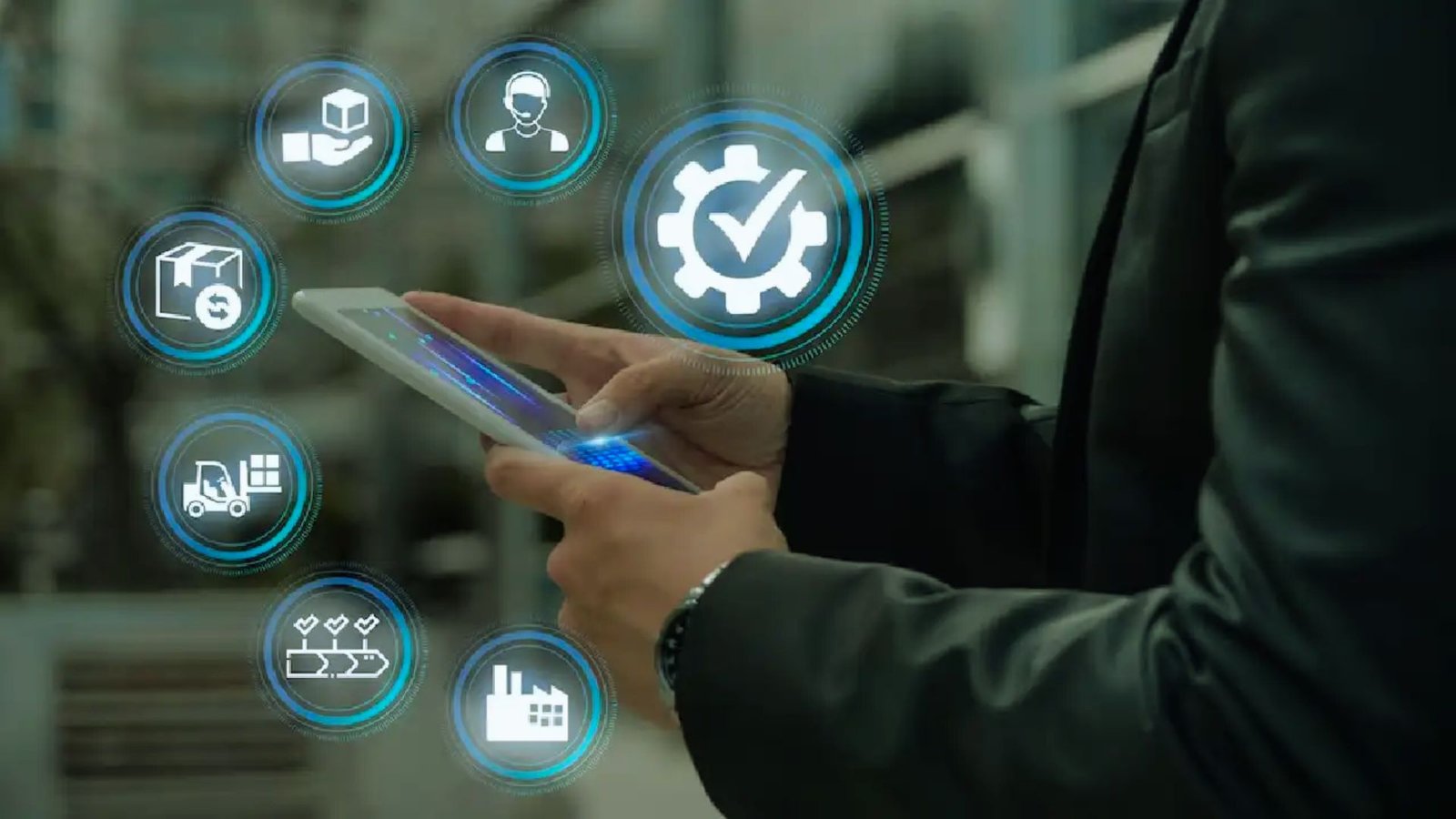
Connects finance, operations, and vendor management in one streamlined platform.
Digital procurement systems manage supplier relationships, purchase orders, and contract workflows.
These platforms bring everything into one organized system, replacing scattered emails and spreadsheets.
Teams can track orders, compare pricing, and flag contract renewals all in one place.
Technology Systems Used in Finance
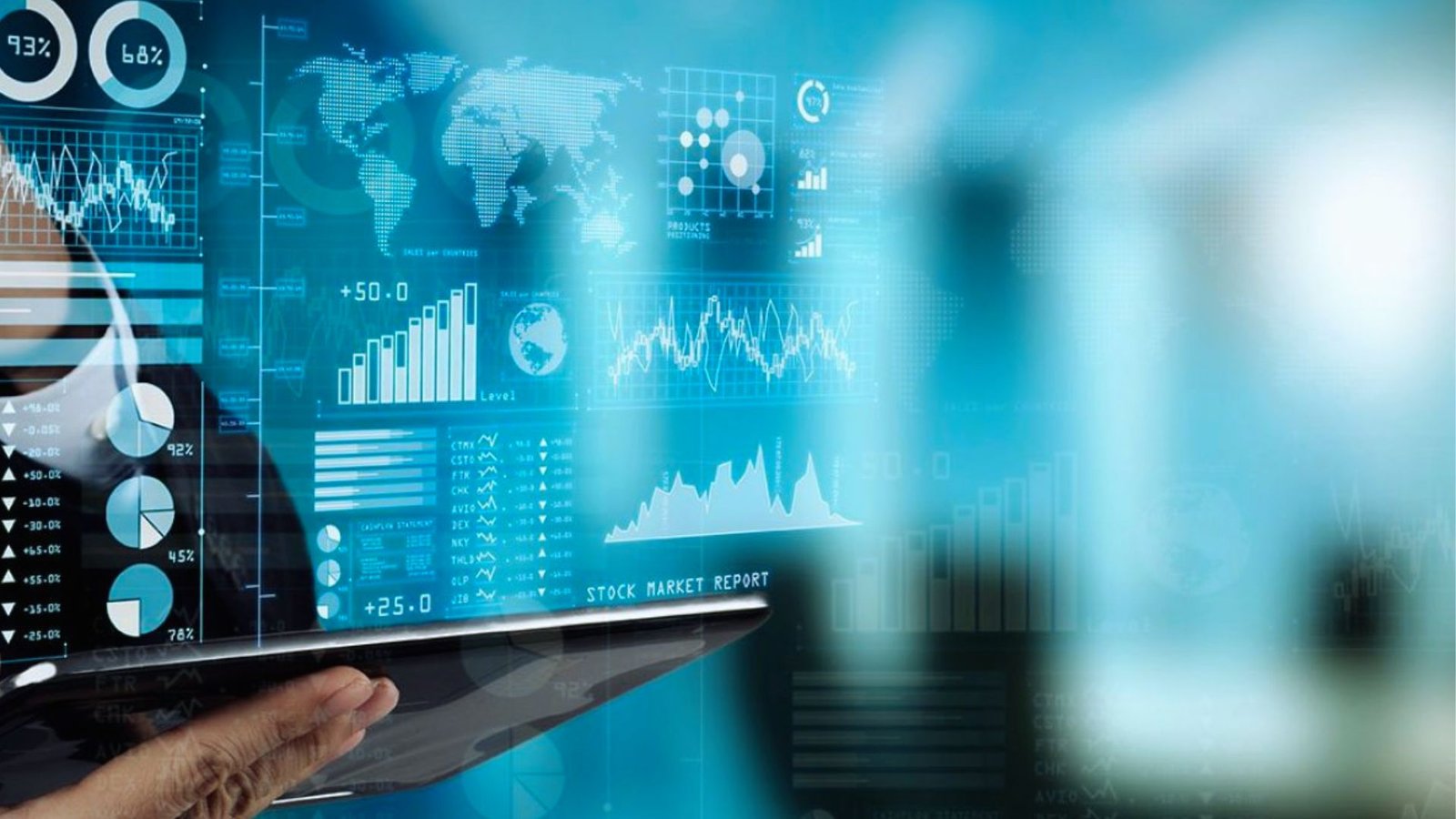
Powers banking, fraud detection, and document processing across the financial industry.
Banks and fintech companies rely on risk management platforms, payment processing systems, and fraud detection tools.
Image technology systems help process physical documents like checks through automated scanning and character recognition.
Real-time fraud detection flags unusual transaction activity within seconds, protecting both businesses and consumers.
HR Technology Systems
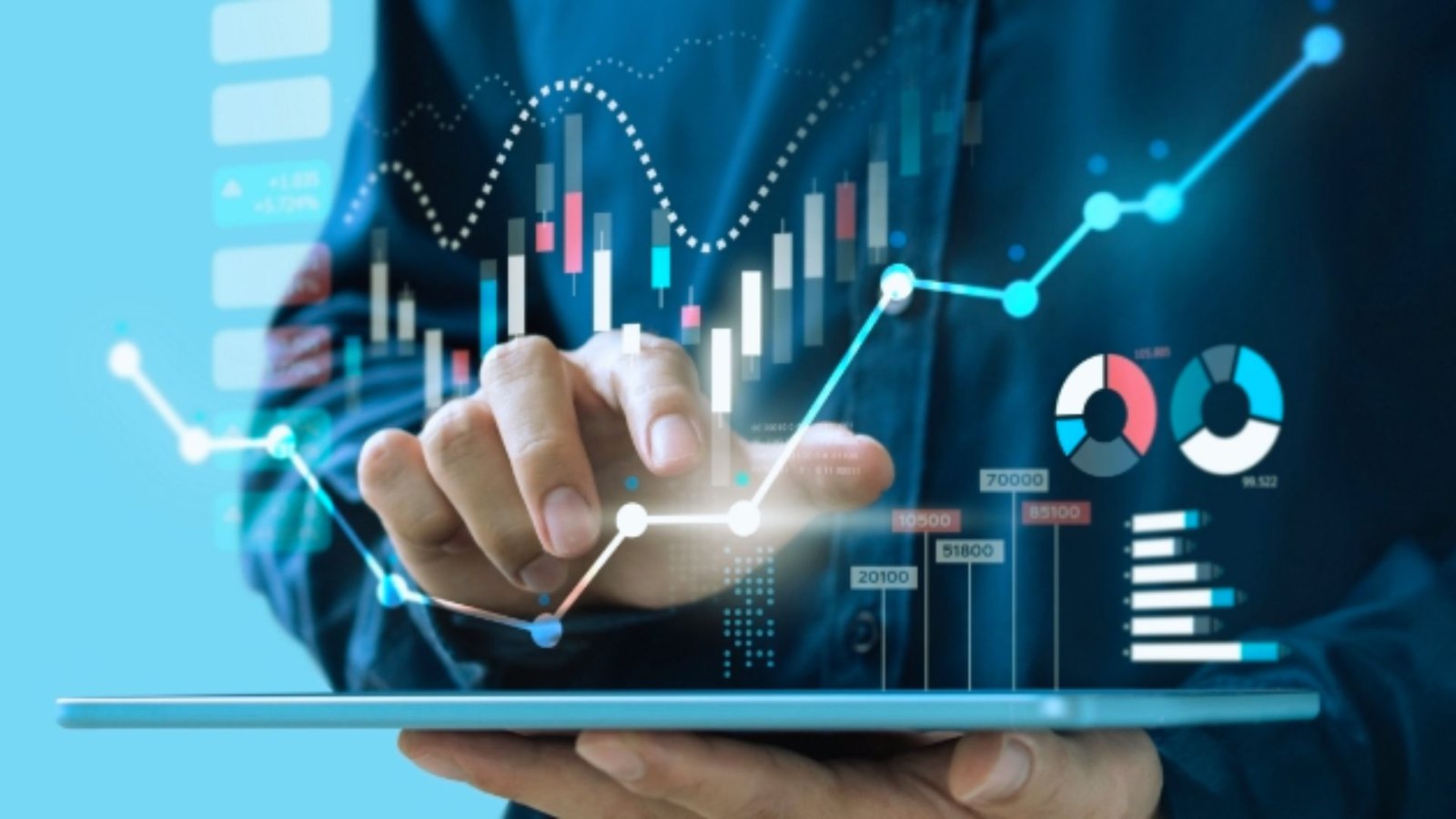
Reduces manual work for HR teams while giving employees easy access to important resources.
HR platforms handle recruitment, onboarding, payroll, and performance tracking all in one place.
Hiring managers can post listings, screen applicants, and schedule interviews without switching between tools. Payroll and performance features handle the rest with minimal manual input.
Hospitality Technology Systems
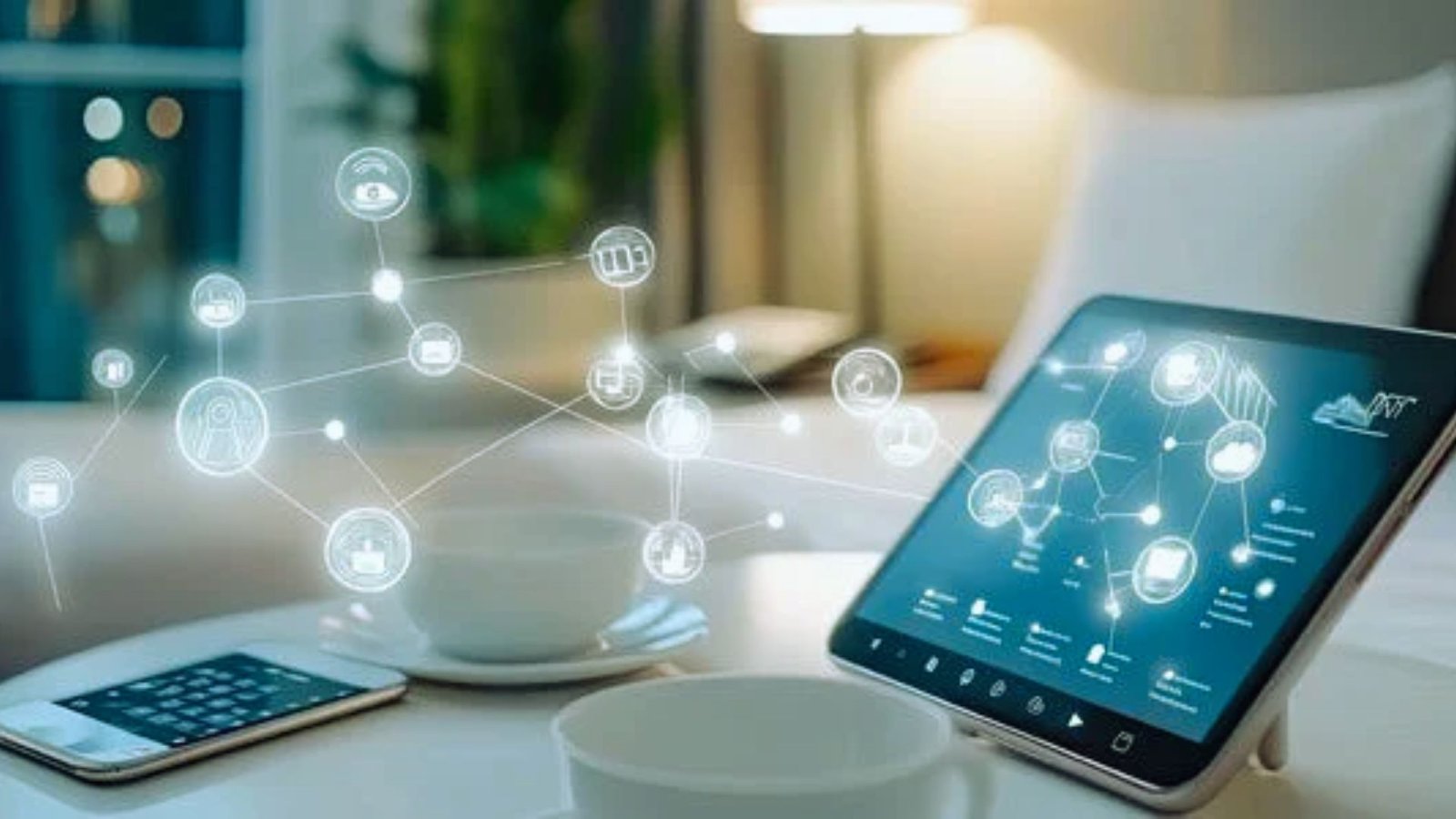
Improves service delivery and guest experience from check-in to checkout.
Hotels use property management systems to handle bookings, housekeeping schedules, and guest billing.
Guests can check in, request services, or control room settings through a mobile app. Loyalty programs track preferences and past stays to offer more personal experiences.
Ocean Technology Systems
Supports marine safety, environmental research, and underwater data collection globally.
Marine technology systems support navigation, underwater monitoring, and environmental data collection across oceans.
Sensors track temperature, currents, and marine life in real time. Environmental monitoring networks also provide early warnings for events like oil spills or unusual temperature shifts.
How Sensor and Automated Technology Systems Work Together

When sensors and automation connect, systems can respond to real-world changes without waiting for a human to step in.
Real-Time Data Collection Through Sensors
Sensors gather live data from machines, environments, and people without any manual input.
Sensors collect real-time data from machines, environments, and people.
They monitor conditions like temperature, pressure, and motion continuously, feeding that information directly into connected systems the moment something changes.
Automated Decision-Making and Process Control
Automated systems act on sensor data instantly, reducing downtime and keeping operations accurate.
That data feeds into automated systems that make decisions without waiting for human input. For example, a temperature sensor on a factory machine can trigger an alert or shut down a process automatically if readings go out of range.
This combination reduces waste and keeps operations running without constant manual oversight.
Industry-Specific Technology System Providers
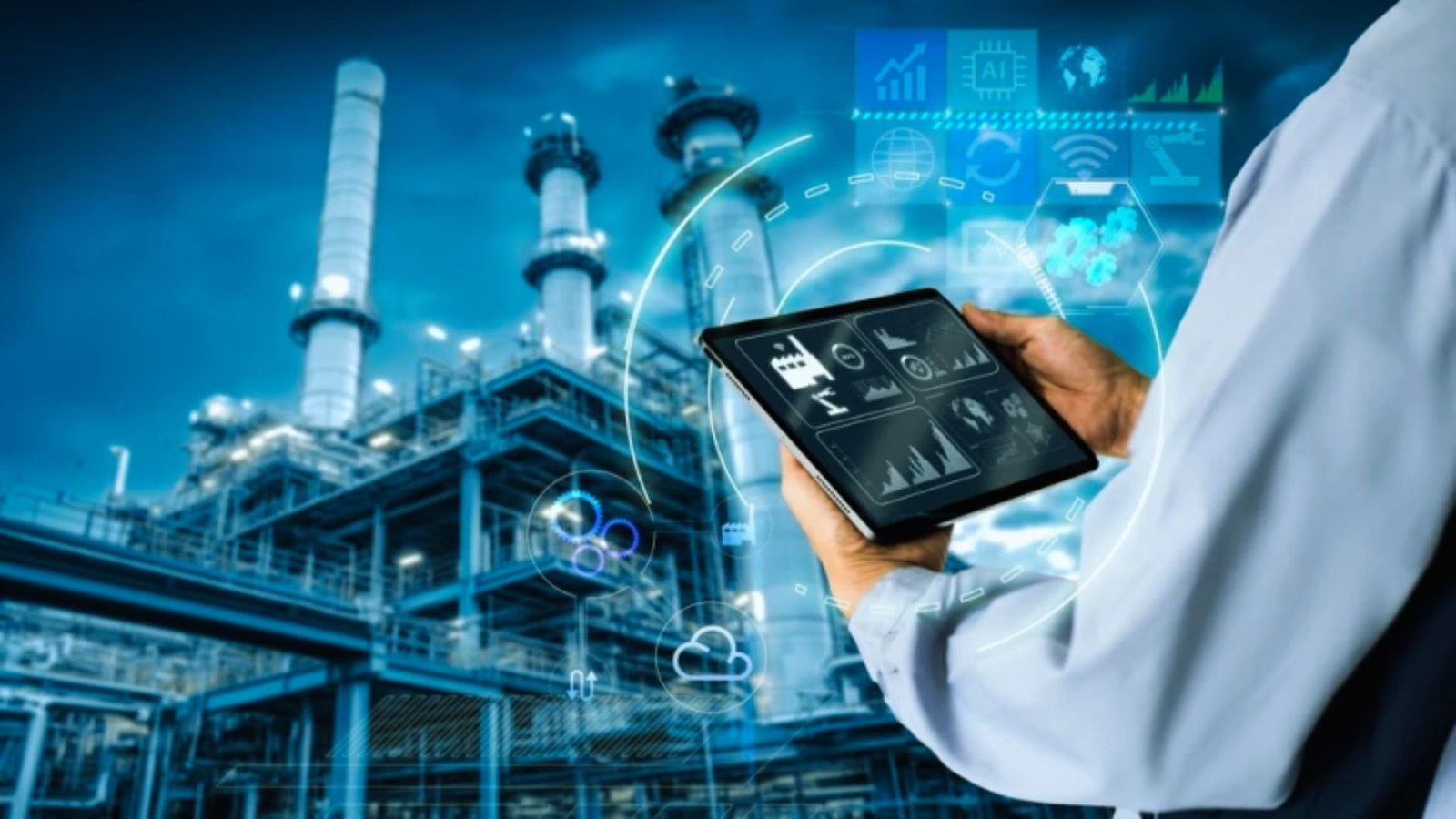
These companies have built strong reputations in specialized areas of technology systems.
Several companies stand out for their focused expertise.
Stulz Air Technology Systems Inc handles precision climate control and cooling for data centers, maintaining exact temperature and humidity levels to protect server equipment and prevent downtime.
Vision Technology Systems GmbH develops optical and industrial solutions used in manufacturing quality control, helping production teams catch defects and maintain consistency at high speeds.
Johnson Technology Systems Inc provides enterprise infrastructure and IT services, supporting everything from network setup to cloud integration for large organizations.
Each brings deep industry knowledge, making them reliable partners for businesses with specific technology needs.
Tips for Choosing and Implementing Technology Systems
Picking the right system takes more than browsing a product list. Here’s what actually matters
- Identify your needs first. Understand what your business or industry requires before looking at any platform or vendor.
- Look for scalability. Choose systems that can grow with you and connect easily to tools you already use.
- Check cybersecurity features. Make sure the system protects sensitive data and meets compliance standards for your industry.
- Prioritize automation and analytics. Systems that support real-time reporting help you act on data faster and smarter.
- Choose vendors with long-term support. Reliable updates and ongoing service matter far more than a low upfront price.
Conclusion
After spending time researching technology systems, I can say one thing with confidence
the right system makes everything run better. From smart homes to hospital networks, these tools are changing how we live and work.
If you’re thinking about adding or upgrading systems in your own space, start small, identify your needs, and build from there.
It doesn’t have to be overwhelming. Have questions or a system you love? Drop a comment below, share this post, or check out our other guides for more.
Frequently Asked Questions
What are technology systems?
Technology systems are connected combinations of hardware, software, data, and processes that perform specific functions across industries like healthcare, finance, and manufacturing.
How do information technology systems differ from operational systems?
IT systems manage digital data, while operational technology systems control physical equipment and industrial processes. Both serve different but equally important roles.
Which industries benefit most from automated technology systems?
Manufacturing, healthcare, construction, and logistics benefit the most. These industries depend on speed and accuracy, which automation consistently delivers.
Are residential technology systems cost-effective?
Yes. Smart home systems lower energy bills and improve security. The upfront investment typically pays off within a few years through ongoing savings.
How do sensor technology systems support automation?
Sensors collect real-time data on physical conditions. Automated systems use that data to make instant decisions, reducing the need for constant human involvement.