
I had no idea what tech trends gfxprojectality meant the first time I came across it.
Sounds technical, right? But once I started digging in, it all clicked.
It’s one of the most exciting shifts in the digital world right now. And if you work in design, marketing, or even HR, it’s more relevant to you than you think.
In this article, I’ll break down what gfxprojectality is, why it matters, and how it’s changing industries. No tech background needed. I’ll keep it simple.
What Are Tech Trends Gfxprojectality?

Tech trends gfxprojectality refers to the growing wave of visual-first, graphics-driven technologies reshaping how we work, create, and communicate online.
It combines graphic technology, digital creativity, and data-driven design into one connected space.
Think AI-generated visuals, real-time 3D rendering, and interactive design systems working together to build experiences that are faster to produce and more meaningful for users.
Unlike traditional tech trends that focus on speed and storage, gfxprojectality focuses on what people actually see and feel.
It’s less about hardware specs and more about how visual experiences are built and delivered across every major industry today.
Key Technologies Driving Tech Trends Gfxprojectality
Several specific technologies power the gfxprojectality space and continue to push its boundaries forward.
Artificial Intelligence and Generative Design

AI now creates original visuals based on text prompts, data inputs, or full design briefs.
Generative design tools like Midjourney, Adobe Firefly, and DALL-E allow designers to produce concepts faster than ever before.
This is reshaping the early stages of creative work across every industry.
Machine Learning in Visual Systems

Machine learning helps visual platforms learn and improve based on how people actually use them.
It powers features like auto-tagging, smart cropping, color correction, and content recommendations.
The more these systems are used, the more accurate and useful they become over time.
Real-Time Rendering Technologies

Tools like Unreal Engine and NVIDIA’s RTX technology make photorealistic graphics possible in an instant.
This is no longer limited to gaming. It is now used across product design, architecture, and film production to create visuals that would have taken weeks to produce manually.
Virtual Reality and Augmented Reality
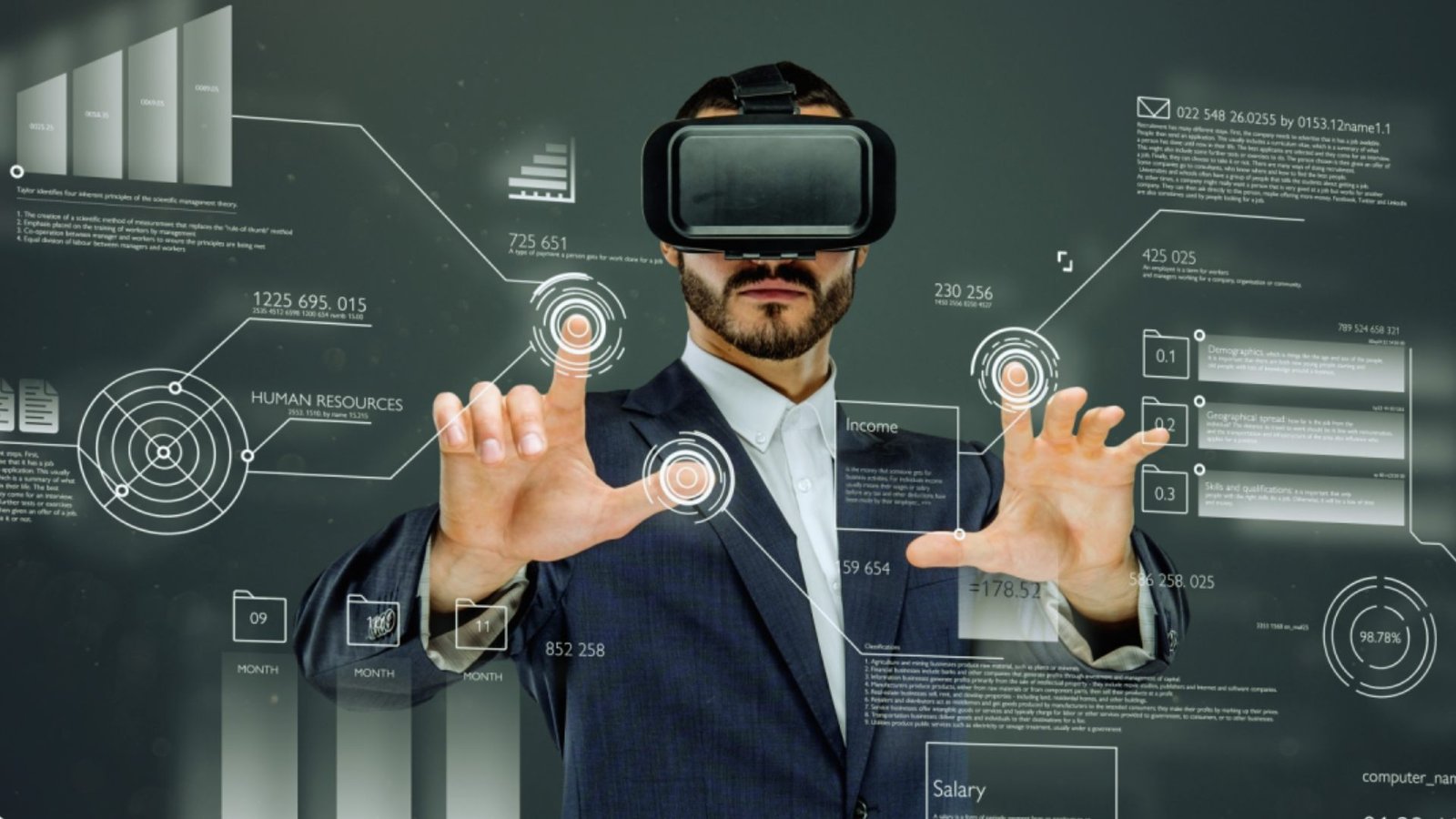
VR places users inside a fully digital space. AR overlays digital content directly onto the real world.
Both are central to gfxprojectality because they represent the next major step in how visual technology reaches and engages everyday people.
3D Graphics and Interactive Interfaces
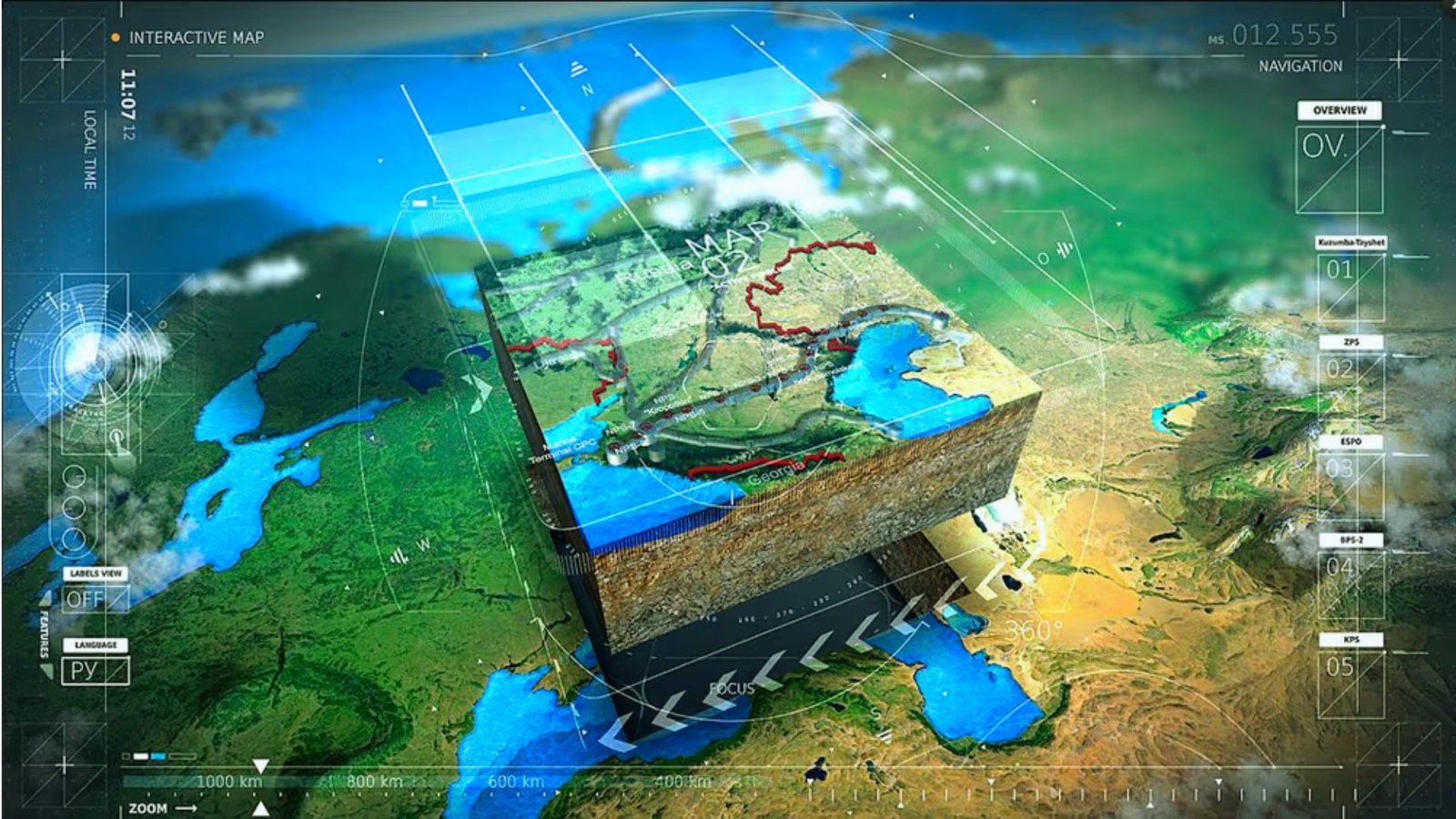
3D graphics are becoming a standard feature in web design, app interfaces, and digital marketing.
Interactive interfaces that respond to user movement or clicks create more engaging experiences across every platform, from mobile apps to full desktop environments.
Impact of Tech Trends Gfxprojectality on Careers
The rise of gfxprojectality is creating new roles and demanding new skills across nearly every industry.
New Job Roles Created by Gfxprojectality
The job market is shifting fast, and visual tech is driving a lot of that change.
Roles like visual data analyst, AI prompt designer, and AR/VR content creator are growing fast. These positions barely existed five years ago, and companies are actively hiring for them now.
Skills Required to Work with Gfxprojectality Tools
Both technical and soft skills are equally important in this space.
Key skills include 3D modeling, motion graphics, AI tool fluency, and data visualization. Problem-solving and visual storytelling are just as valued by employers.
How Designers, Developers, and HR Leaders Are Adapting
Every professional group is finding its own way to work alongside visual technology.
Designers are directing AI rather than competing with it. Developers are building richer interfaces. HR leaders are using data visualization to make smarter workforce decisions.
Career Opportunities in a Visual-Driven Tech World
Demand for visual technology professionals is rising across every major sector.
Those who combine technical skills with creative thinking are especially in demand. Freelance, in-house, and agency opportunities are all growing steadily.
How Tech Trends Gfxprojectality Are Reshaping Industries

From healthcare to gaming, tech trends gfxprojectality are leaving a clear mark across many different fields.
- Graphic Design: AI-assisted tools now handle layout creation, color selection, and asset generation. The designer’s role has shifted from manual execution to creative direction.
- Human Resources: Visual dashboards help HR teams present workforce analytics and hiring trends clearly. Complex data becomes easier to act on and communicate to leadership.
- Marketing and Branding: Brands using dynamic graphics, short-form video, and interactive ads see stronger results. Gfxprojectality tools make high-quality content production possible at scale.
- Education and Training: Interactive simulations, 3D models, and VR classrooms help students absorb difficult information faster. Medicine, engineering, and science programs benefit the most.
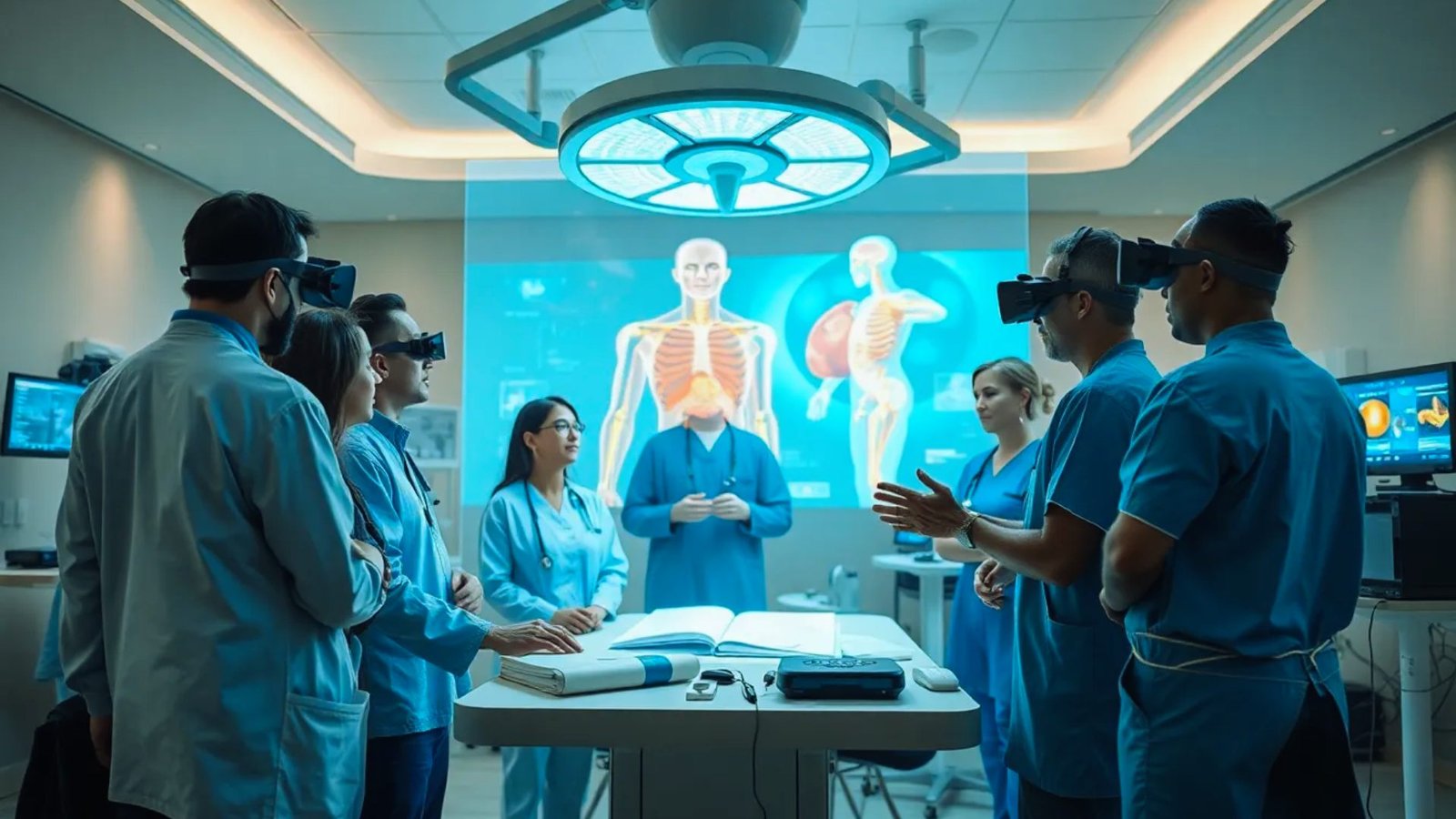
- Healthcare Visualization: Surgeons use 3D imaging to plan operations. Medical students practice procedures in VR before working with real patients.
- Gaming and Entertainment: Games now feature photorealistic environments and AI-driven characters. Entertainment studios use the same tools for visual effects and virtual production.
- Business Intelligence: Charts, graphs, and interactive dashboards help leaders spot trends and make faster decisions. Good visual data presentation shortens the gap between information and action.
Benefits of Adopting Tech Trends Gfxprojectality

Adopting gfxprojectality brings real, measurable advantages to teams, businesses, and individual professionals.
Faster Creative Workflows
AI and automation cut time spent on repetitive design tasks significantly.
Teams move from concept to finished product much faster. More projects get completed, more ideas get tested, and time to market gets shorter.
Improved User Engagement and Experience
Visual content consistently outperforms text-only content across every engagement metric.
Interactive graphics and immersive experiences hold attention longer. Better engagement leads to better results for both brands and users.
Smarter Decision-Making Through Visual Data
Visual data is far easier to understand and act on than rows of numbers.
Leaders can spot patterns and make faster decisions. Visual data tools are now a standard part of business strategy at every level.
Cost Efficiency and Scalability
Automated visual tools reduce the need for large design teams on routine projects.
Businesses produce more content with fewer resources. The same tools work for a small startup or a large enterprise running hundreds of campaigns.
Accessibility and Inclusive Design
Good visual design considers every user, including those with visual impairments or cognitive differences.
Gfxprojectality tools now include contrast adjustment, screen reader compatibility, and adaptive layouts. Inclusive design is both the right thing to do and good for business.
Tips to Stay Ahead in Tech Trends Gfxprojectality
Staying current requires consistent effort and the right habits.
- Follow visual-tech innovation regularly. Subscribe to newsletters and podcasts on design tech. Communities like Behance and Dribbble surface what’s new fast.
- Invest in continuous skill development. Pick one new skill each quarter and commit to it. Small steps build a strong skill set over time.
- Experiment with emerging tools early. Try beta tools and free trials before they go mainstream. Early adopters always gain a real edge.
- Balance creativity with ethical technology use. Respect intellectual property and be transparent about AI-generated content. Use tools in ways that add genuine value.
- Connect with others in the space. Join online communities, attend virtual events, and follow thought leaders in visual tech. Learning from others speeds up your own growth significantly.
Conclusion
Visual experiences are becoming the primary way people interact with information and products online.
The professionals who take tech trends gfxprojectality seriously today will be far better prepared for what comes next.
When I first looked into this topic, it felt like a lot. But the more I learned, the more it made sense. Start small, pick one tool, and learn as you go.
Got thoughts on this? Drop a comment below. I’d love to hear how you’re using visual tech in your work.
Frequently Asked Questions
What are tech trends gfxprojectality?
It is the intersection of visual design, AI tools, and immersive technology shaping digital experiences today.
Why is gfxprojectality important for the future?
Visual communication is becoming the standard online. Businesses that adopt these tools early will hold a clear edge.
Which industries benefit most from gfxprojectality?
Healthcare, education, marketing, gaming, and business intelligence are seeing the strongest impact right now.
Is gfxprojectality suitable for beginners?
Yes. Platforms like Canva, Figma, and Runway ML are beginner-friendly and offer free plans to get started.
How can businesses leverage tech trends gfxprojectality?
Start with visual data tools for reporting and creative tools for marketing, then scale what works.