

I’ve spent years watching technology fix things people said were unfixable. This article covers 21 real problems that can be solved with technology from climate change to daily energy waste.
You’ll see how solutions already exist, why they aren’t always used, and what we can do about it.
I want you to leave here with real answers, not just ideas. With over a decade of tracking tech trends, I can tell you the solutions are closer than you think. I’ll cover healthcare, business, daily life, and global issues.
Let’s get into it.
Problems That Can Be Solved With Technology Still Exist

Having a solution and using it are two very different things. Most of the problems in this article already have working tech behind them, so why do they still exist? The gap between invention and real use often comes down to funding, politics, or awareness.
A tool that works in a lab may take years to reach the people who need it most. In many parts of the world, there’s no reliable internet, no power grid, and no access to smart devices, so even the best technology can’t help.
New tech is also expensive at first, and laws can’t always keep up with how fast things change. On top of that, what works for 1,000 people may not work for 1 million. Solving that gap takes time, money, and careful planning.
21 Problems That Can Be Solved With Technology
Here are 21 real problems where technology already has a working answer and how it’s being put to use.
1. Climate Change

Satellites track emissions in real time. AI models predict climate patterns. Clean energy tech cuts carbon output. The tools are here. The commitment to use them widely is still growing.
2. Global Energy Crisis

Solar panels, wind turbines, and smart grids now make clean energy more affordable than ever. Battery storage tech is helping keep power steady even when the sun isn’t shining.
3. Food Scarcity
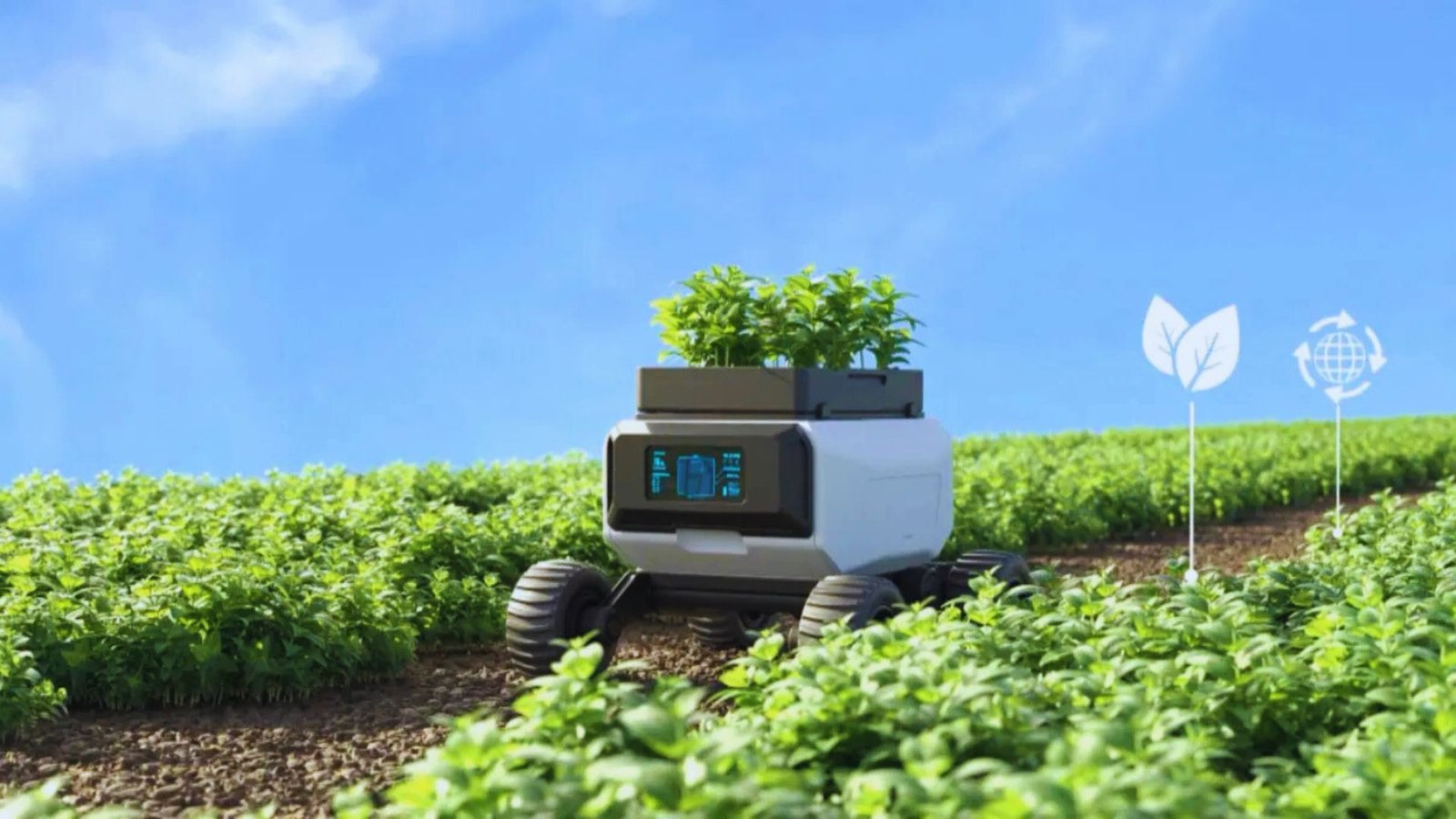
Precision farming uses sensors and data to grow more food using less water and land. Vertical farms bring food production into cities, cutting transport costs and waste.
4. Water Shortages

Smart irrigation systems cut water use in farming by up to 50%. AI-powered desalination plants are making ocean water drinkable at a lower cost than before.
5. Education Inequality
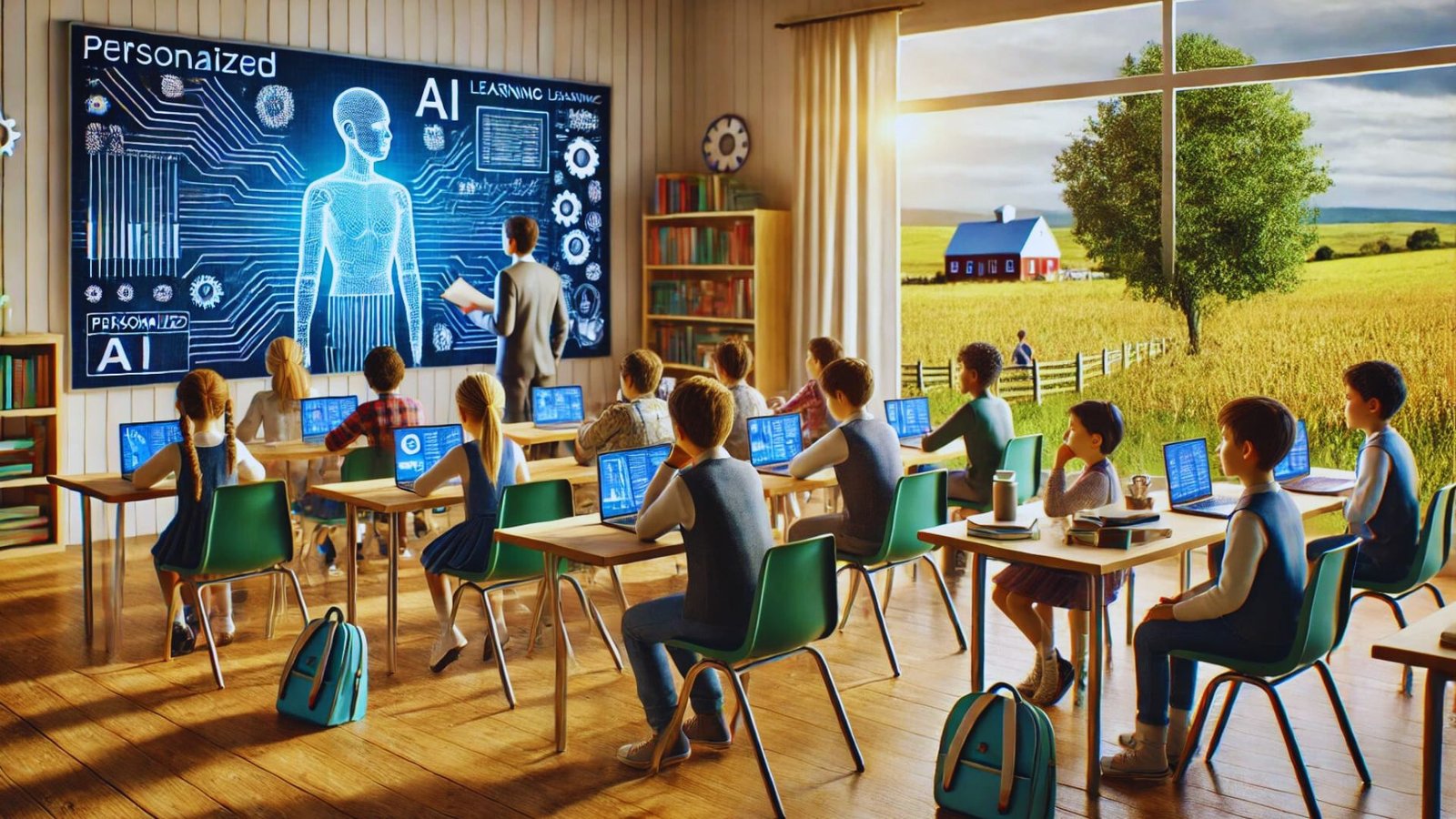
Online platforms give students in rural areas access to the same courses as those in top cities. AI tutors now give personalized feedback, helping kids learn at their own pace.
6. Healthcare Access Gaps
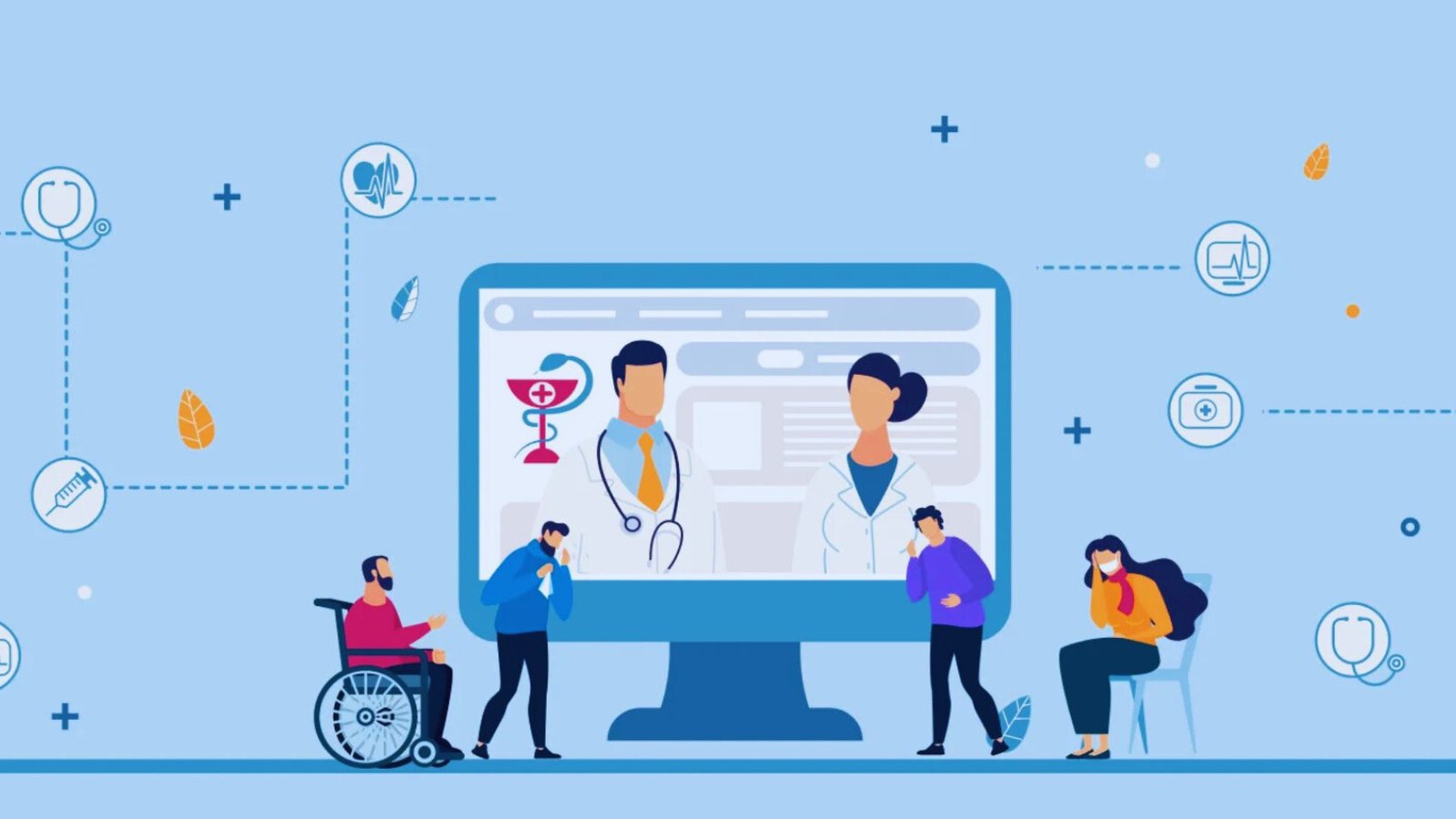
Telemedicine apps let patients talk to doctors from home. Mobile clinics with digital tools bring care to remote areas. Access is no longer limited to those near a hospital.
7. Delayed Medical Diagnoses
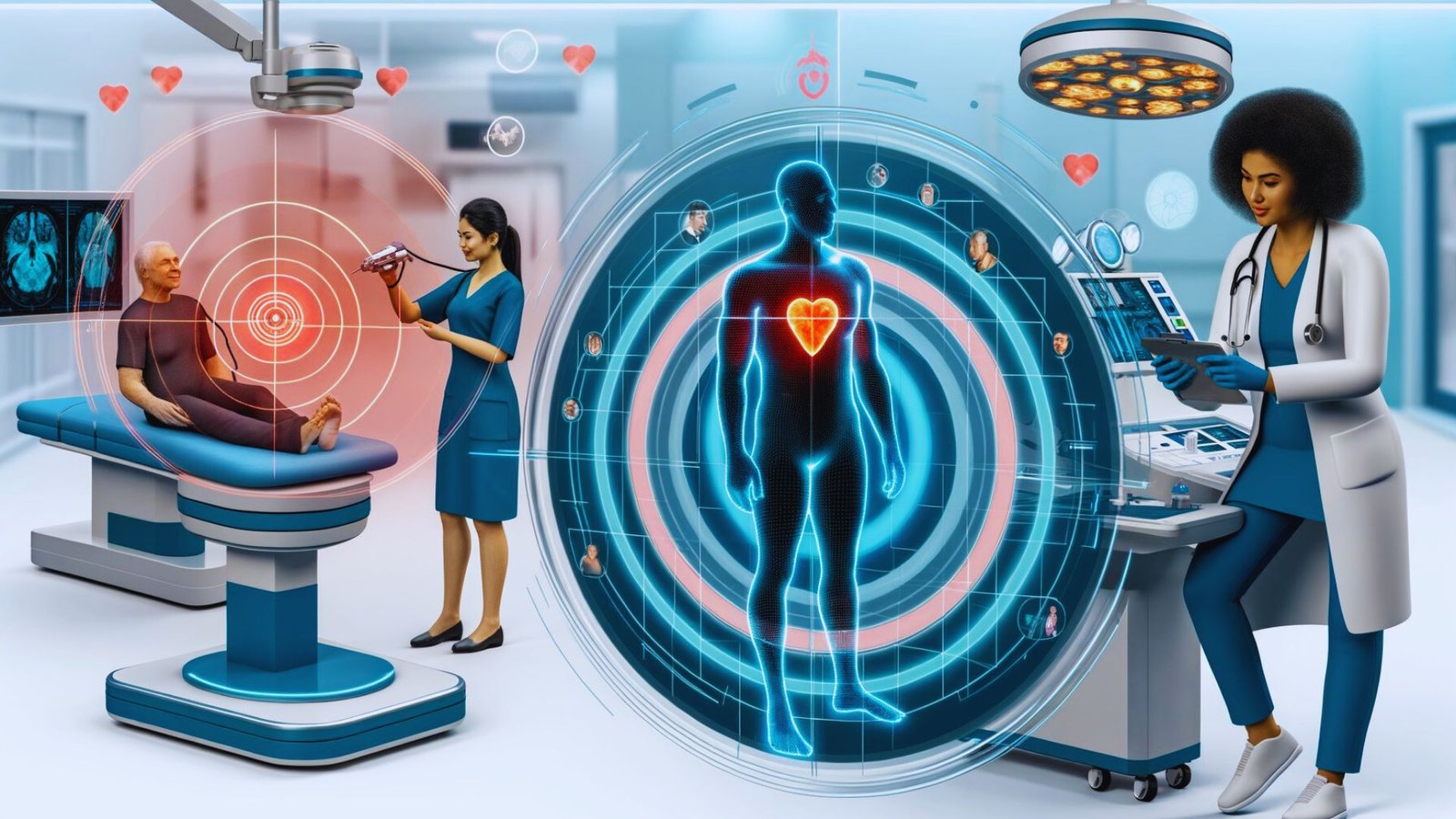
AI tools can scan medical images and flag conditions faster than most humans. Early detection means better outcomes. This is already working in cancer screening programs worldwide.
8. Chronic Disease Management

Wearable devices track blood sugar, heart rate, and oxygen levels all day. Apps send alerts when something is off. Patients stay informed, and doctors act sooner.
9. Slow Drug Discovery

AI can test millions of drug combinations in days, not years. This cut years off COVID-19 vaccine development. It’s speeding up treatments for cancer, Alzheimer’s, and more.
10. Labor Shortages
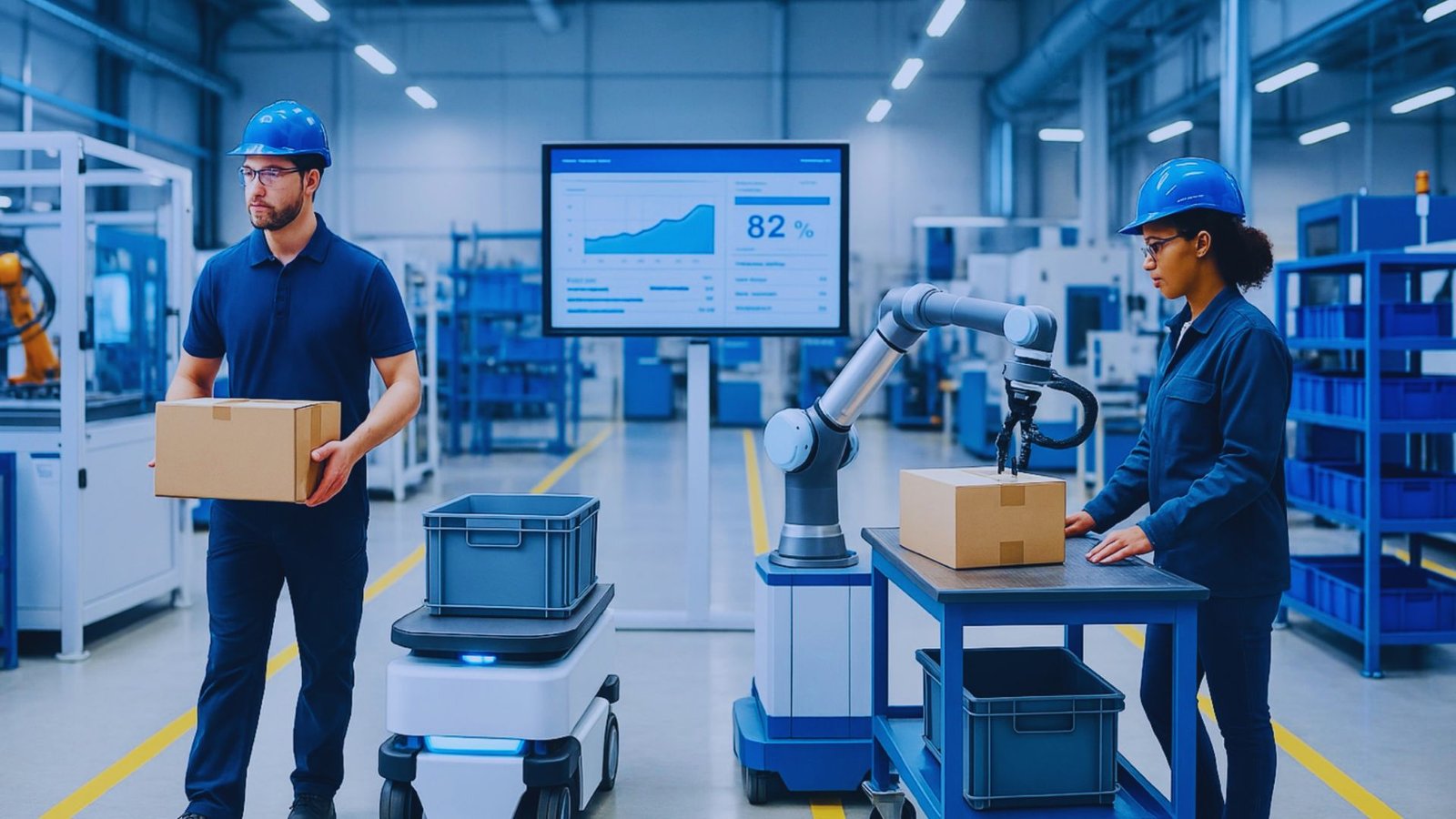
Automation handles repetitive tasks in factories, warehouses, and offices. This doesn’t just replace workers, it frees them to focus on higher-value work where humans excel.
11. Supply Chain Inefficiencies
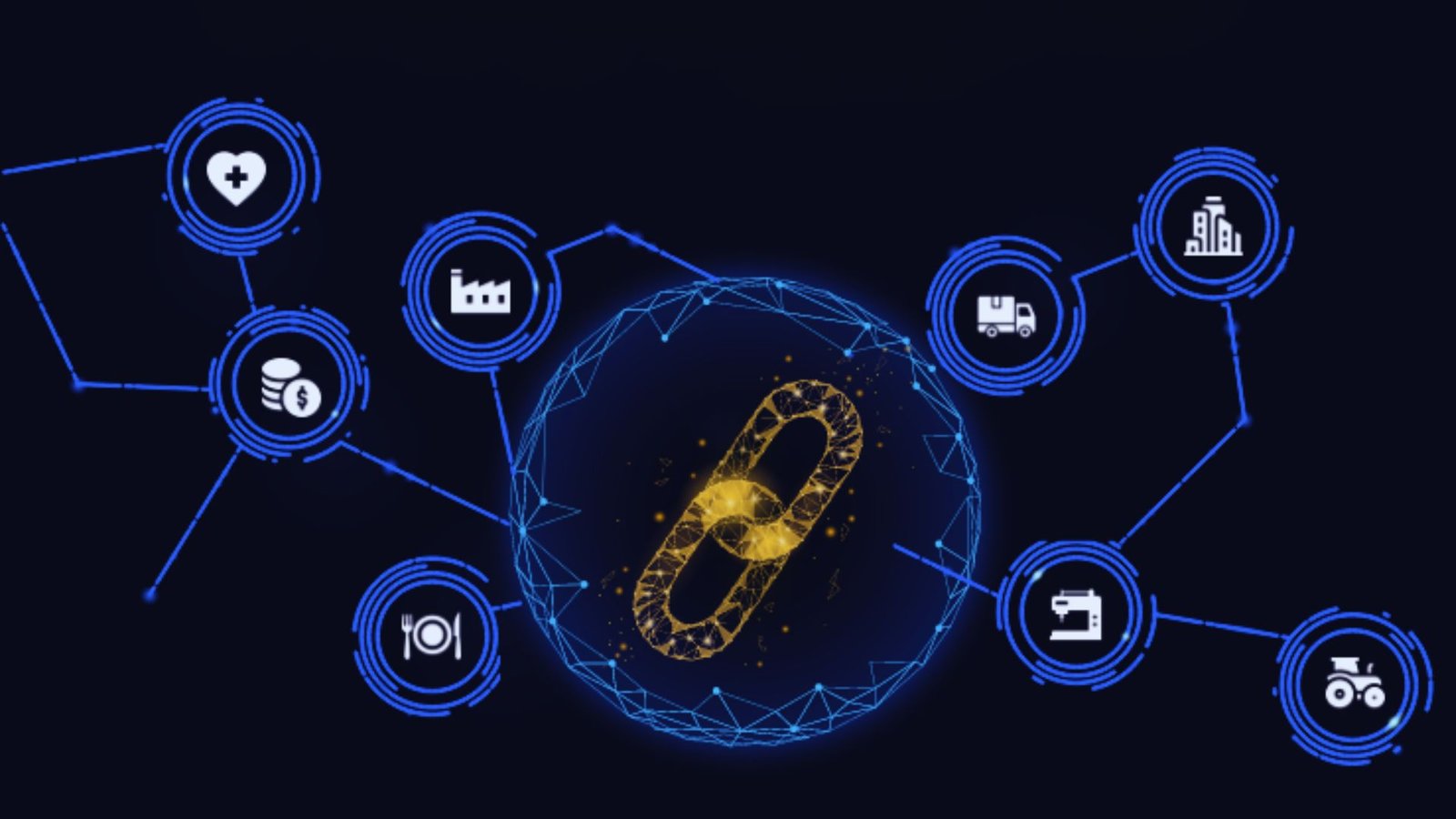
Blockchain creates a clear, real-time record of where products are. AI predicts delays before they happen. Companies using these tools waste less and deliver faster.
12. Cybersecurity Threats
AI-powered systems now detect unusual activity on networks before a breach happens. Zero-trust security models verify every user, every time. Businesses are much better protected now.
13. Talent Acquisition Challenges

AI recruitment tools screen thousands of resumes in minutes. Platforms match candidates with jobs based on skills, not just keywords. Hiring is faster and fairer with the right tools.
14. Misinformation and Deepfakes

AI detection software can flag fake images and videos with high accuracy. Digital watermarking helps trace the source of content. Platforms are being pushed to use these tools more.
15. Social Media Addiction

Screen time tracking tools and app limits are built into most phones now. Some platforms are testing features that prompt breaks. Awareness tools are helping people take control.
16. Traffic Congestion
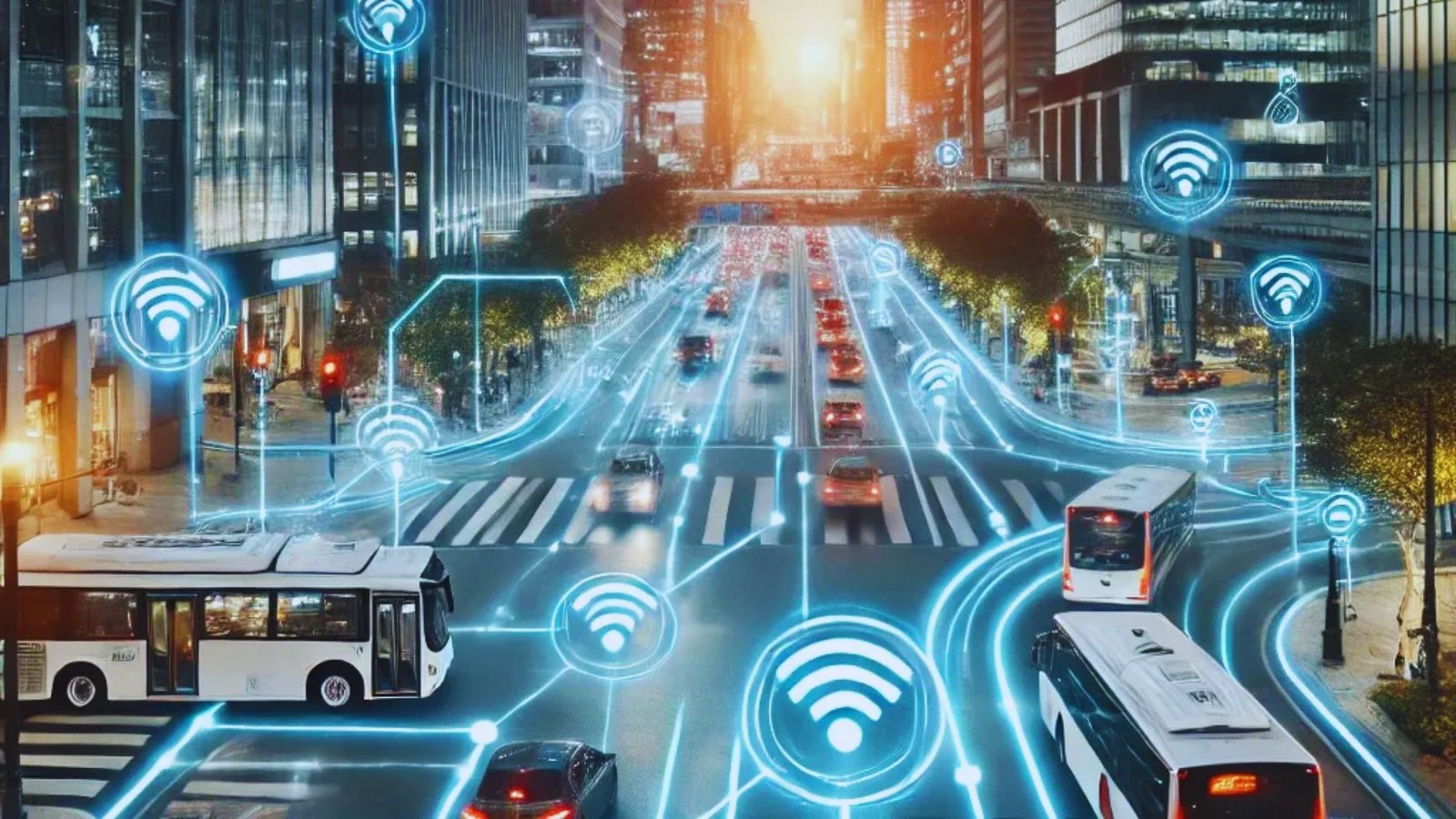
Smart traffic lights adjust timing based on real-time flow. Navigation apps reroute drivers around jams instantly. Cities using these systems have cut commute times significantly.
17. Texting While Driving

Some cars now block phone use while in motion. AI systems detect distracted driving and alert drivers. These features are becoming standard in new vehicles.
18. Household Energy Waste

Smart thermostats learn your schedule and cut heating and cooling when no one is home. Smart plugs cut standby power drain. Most homes can cut energy use by 20-30% with these tools.
19. Food Waste

Apps connect restaurants with unsold food to nearby people who need it. Smart fridges track expiry dates. AI demand forecasting helps stores order only what they’ll actually sell.
20. Lack of Secure Digital Identities
Blockchain-based ID systems give people a verified digital identity they control. Biometric verification reduces fraud. This is especially critical for people without official documents.
21. Accessibility Barriers for People With Disabilities

Text-to-speech, screen readers, voice control, and AI captioning are making digital life accessible to millions. Smart home devices let people with limited mobility live more independently.
Real World Problems That Can Be Solved With Technology
Technology is not just solving problems in theory, it is already working in the real world, right now.
AI, Automation, and Smart Infrastructure
AI and automation now handle tasks that used to take humans hours, from diagnosing illness to managing power grids. IoT connects physical systems to the internet, letting cities, farms, and buildings respond to real conditions.
Renewable energy like solar and wind now costs less than fossil fuels in many markets and is growing faster than any other energy source.
Digital Health and EdTech
Telemedicine puts doctors in reach of patients who live far from clinics, saving lives in areas with little healthcare access.
EdTech and remote learning have made quality education possible outside classrooms, with students across 50 countries now taking the same courses at the same time.
Address Business Problems That Can Be Solved With Technology

Smart companies use technology not just to compete, but to solve problems that used to slow them down.
Automation, Robotics, and Cloud Computing
Automation and robotics handle production, packaging, and logistics with speed and consistency that human labor alone can’t match at scale.
Cloud computing and cybersecurity give businesses of any size access to enterprise-level tools, keeping sensitive data safer than old on-site systems ever could.
Data Analytics and Digital Workforce Tools
Data analytics turns raw numbers into real decisions. Businesses that use data well spot problems earlier and act faster than those relying on gut feelings.
Digital workforce tools connect remote teams, reduce admin work, and keep projects on track, giving companies that adopted them early a real competitive edge.
Addressing Medical Problems That Can Be Solved With Technology

Healthcare is one of the areas where technology is making the most urgent difference right now.
AI Diagnostics and Remote Healthcare
AI diagnostics can review scans, lab results, and patient histories to flag risks doctors might miss. Speed matters in medicine, and AI adds speed.
Remote healthcare means a person in a small town can get a specialist’s opinion without traveling for hours, and this is already reducing health gaps in rural communities.
Wearables and Personalized Medicine
Wearables like smartwatches and continuous glucose monitors give patients and doctors data that used to require clinic visits. Prevention starts with information.
Personalized medicine uses genetic data to match treatments to individual patients, because what works for one person may not work for another, and now we can account for that.
Practical Tips for Solving Problems That Can Be Solved With Technology

Knowing the solutions is step one. Putting them to use is where real change happens.
- Invest in scalable innovation. Fund and build tech that can grow with demand, not just work for a small group.
- Close the digital divide. Prioritize internet and device access in underserved areas because without it, no other solution works.
- Promote ethical AI use. Set clear standards for how AI is used, especially in healthcare, hiring, and public services.
- Encourage public-private partnerships. Governments and companies working together move faster and get better results than either does alone.
- Focus on measurable impact. Track what the technology actually changes. Real outcomes matter more than downloads or user numbers.
Conclusion
I’ll be direct. We already have the tools to fix most of what’s on this list. What we need now is the will to use them fairly and widely.
I’ve seen firsthand how even small tech changes, like a smart meter or a telehealth app, can shift lives for the better.
Problems that can be solved with technology are only problems when we stop at awareness. Take the next step.
Share this article, leave a comment about which issue matters most to you, or check out our related posts to go deeper.
Frequently Asked Questions
What are the most common problems that can be solved with technology?
Climate change, healthcare access, food scarcity, cybersecurity, and education inequality top the list. All have working tech solutions in use today.
Can technology alone solve world hunger?
Not alone. Precision farming and AI logistics help a lot, but policy and access need to work alongside the tech.
How does technology help with medical problems?
AI speeds up diagnosis, wearables track chronic conditions, and telemedicine connects patients to doctors from anywhere.
What business problems are best addressed by technology?
Cybersecurity, supply chain delays, labor inefficiency, and talent recruitment are all areas where tech is delivering real results.
Are there risks to relying too much on technology?
Yes. Without ethical oversight and equal access, tech can create new problems. Responsible use matters as much as the tools themselves.