

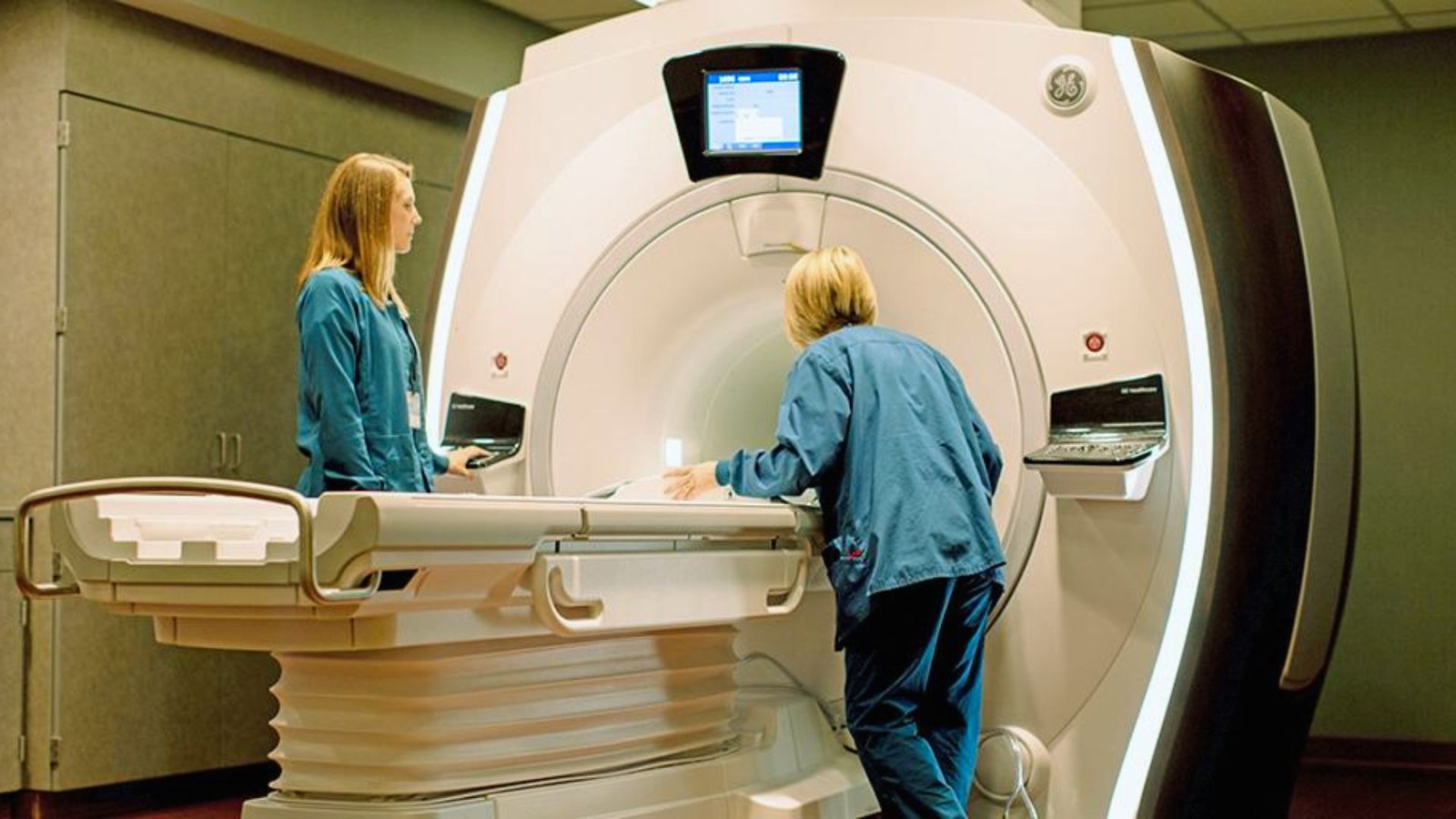
I remember the first time I saw an MRI machine up close. It looked complex, almost intimidating. But the tech running it moved with total confidence, and I thought, how do I get there?
If that question sounds familiar, you are in the right place.
If you’ve been asking how to become an MRI tech, this article breaks it all down.
From picking the right program to passing your certification exam, you will find every step covered here, along with real numbers on salary, timeline, and cost.
No fluff. No guesswork. Just a straightforward path to a career in medical imaging.
What Does an MRI Tech Do?
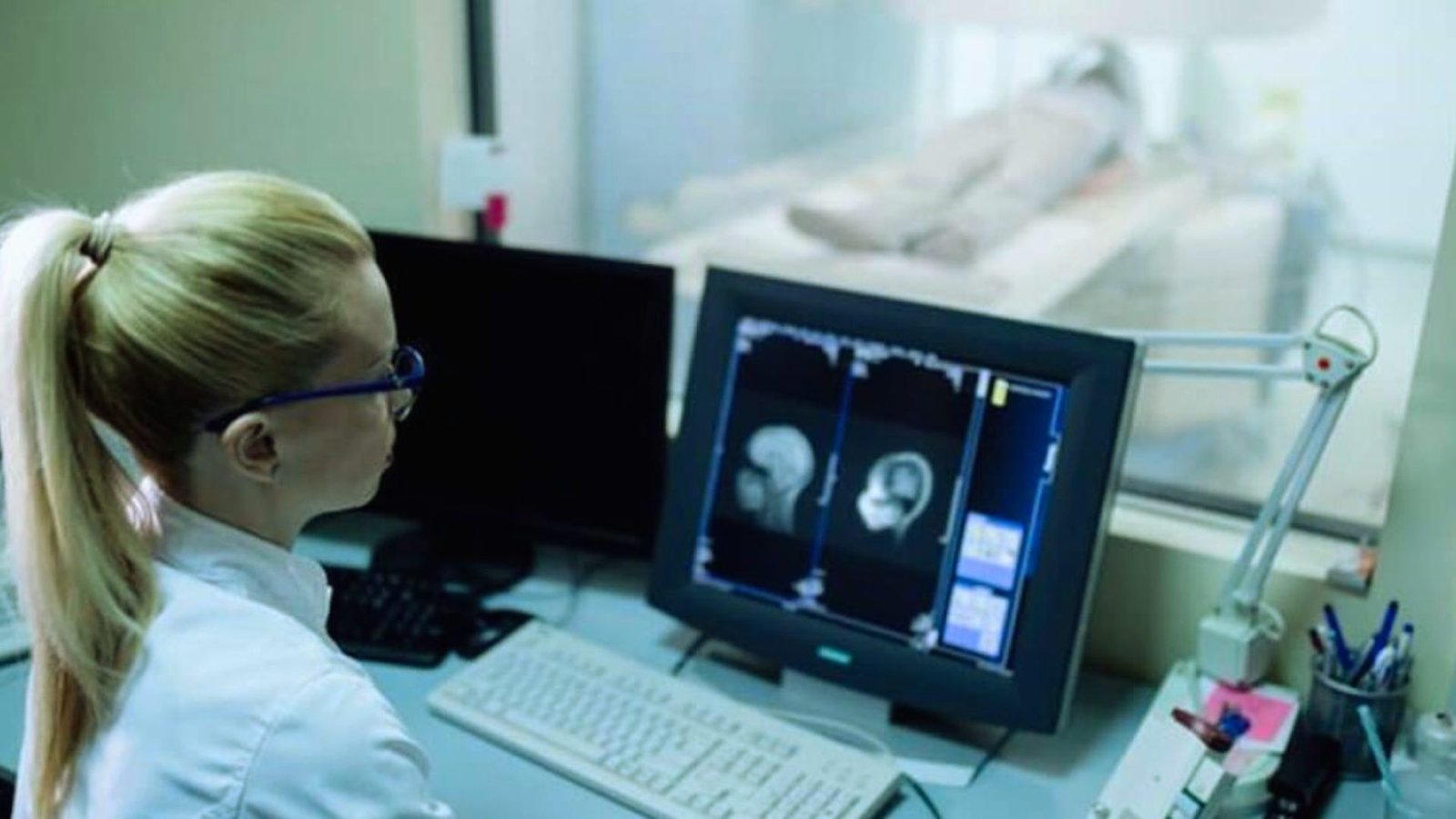
MRI techs operate imaging equipment, support patients, and help doctors get the scans they need for accurate diagnosis.
An MRI technologist operates magnetic resonance imaging equipment to capture detailed body scans.
They are often the first person a patient interacts with before a scan, so clear communication and a calm presence matter just as much as technical skill.
On the technical side, they position patients, adjust imaging settings, and review image quality before passing results to radiologists.
They also manage patient records, screen for metal implants, and follow strict safety protocols throughout every session.
Strong attention to detail and good people skills are both core to this role.
Step-by-Step Process on How to Become an MRI Tech
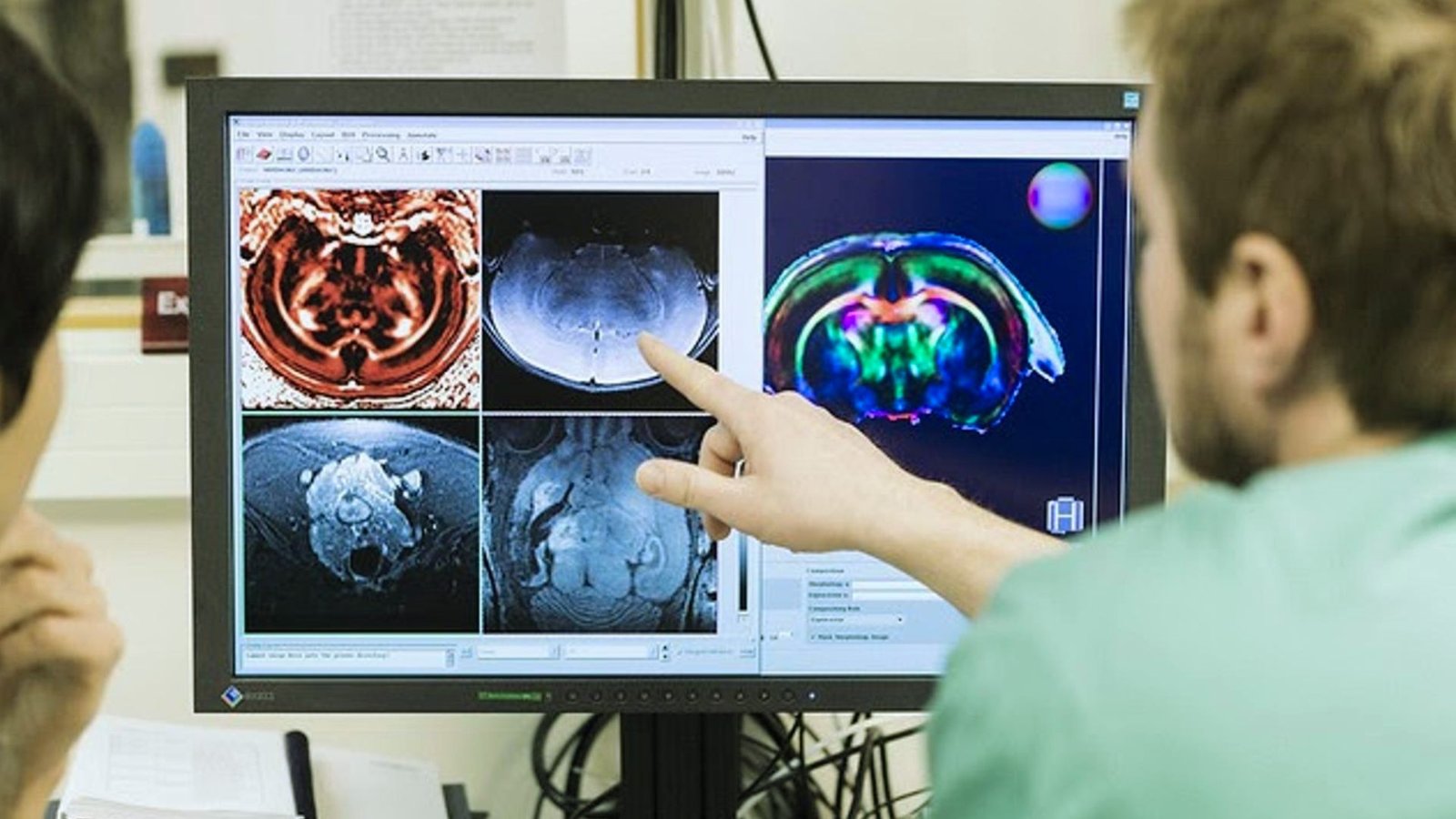
Follow these five clear steps to go from no experience to a certified MRI technologist.
Step 1: Complete a Radiologic Technology Program
Your radiology degree is the foundation everything else is built on.
Start with an accredited associate or bachelor’s degree in radiologic technology. These programs take two to four years and cover anatomy, imaging science, and patient care basics.
Step 2: Gain Clinical Experience in Medical Imaging
Real-world clinical hours prepare you for the pace and pressure of working directly with patients.
Most programs include supervised clinical hours in hospital or clinic settings. This hands-on training is required before you can sit for certification exams.
Step 3: Enroll in an Accredited MRI Technologist Program
An MRI-specific program gives you the focused training needed to specialize and move forward with certification.
Once you have your radiology foundation, enroll in an MRI-specific certificate or post-primary program. These typically take one year to complete.
Step 4: Pass the American Registry of Radiologic Technologists (ARRT) MRI Certification Exam
Passing the ARRT exam proves your skills and is widely required by employers across the country.
The ARRT MRI exam proves your competency and is widely required by employers. Study during your clinical rotation so you are not starting from scratch after graduation.
Step 5: Apply for State Licensure Where Required
State licensure requirements vary, so checking your local rules early saves time and prevents delays.
Not all states require licensure, but many do. Check your state’s medical imaging board early to avoid delays after passing your exam.
Why Choose a Career as an MRI Tech?
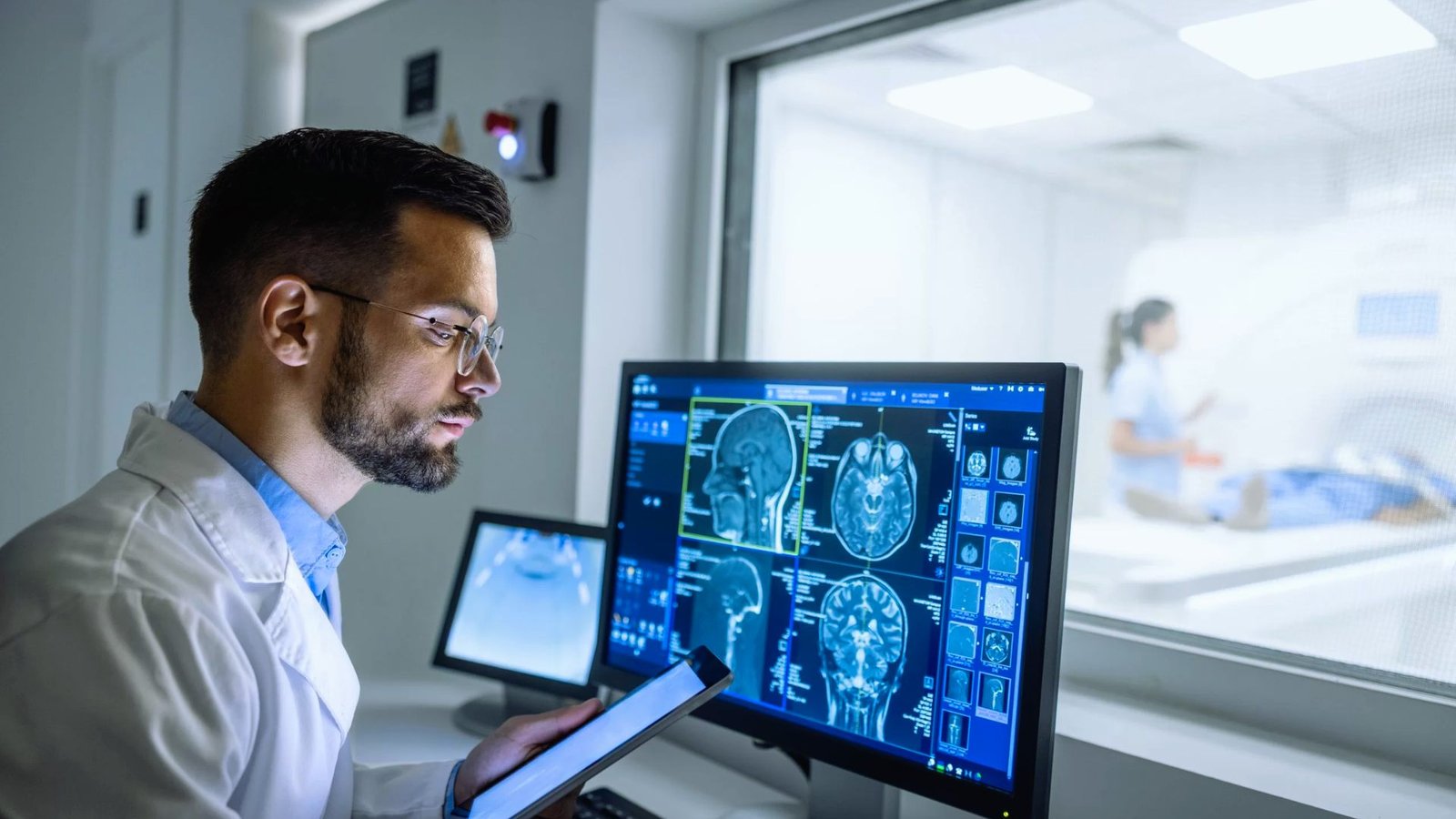
It is a stable, well-paying healthcare career with meaningful work and real room to grow.
Strong Pay and Steady Demand
Hospitals and imaging centers are always hiring, and the pay reflects that consistent need.
MRI technology offers competitive pay, flexible shift options, and steady hiring across hospitals and imaging centers.
Meaningful Work Every Day
You are directly involved in helping doctors catch conditions early, which impacts real patient outcomes.
Every scan you run plays a role in someone’s diagnosis and care. That sense of purpose is hard to find in many other roles.
Real Room to Grow
MRI techs are not locked into one path. There is clear room to move into supervisory or specialty roles over time.
It is a smart choice for anyone drawn to healthcare without going the physician route.
Skills Needed to Become a Successful MRI Tech
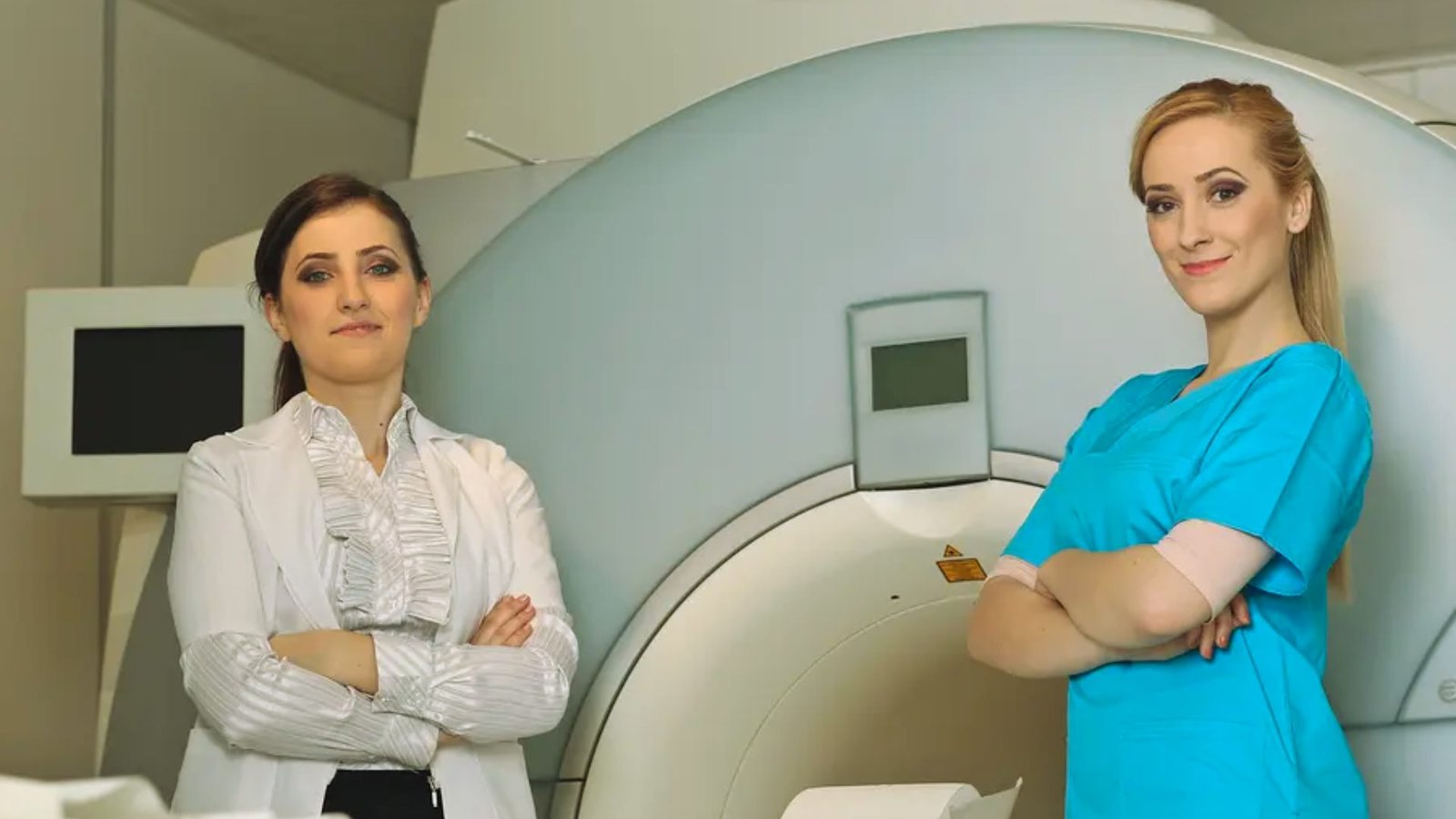
Technical ability matters, but strong communication and critical thinking are just as important in this role.
Attention to Detail
Catching image quality issues before they reach the radiologist keeps diagnostics accurate and patients safe.
Small errors in imaging can lead to big consequences, so a sharp eye is non-negotiable.
Patient Communication
Helping nervous patients feel at ease during scans makes the entire imaging process smoother for everyone involved.
A calm, reassuring presence can make all the difference for a patient who has never had a scan before.
Technical Aptitude
Operating and troubleshooting imaging equipment with confidence ensures minimal downtime and consistent results.
Knowing your equipment inside and out means fewer delays and better images every time.
Physical Stamina
Being on your feet helping patients throughout your shift demands energy and endurance every single day.
Long shifts require genuine endurance, so taking care of your body is part of the job.
Team Collaboration
Working smoothly with radiologists, nurses, and physicians creates a coordinated care experience that benefits the whole department.
When everyone communicates well, patients move through the process faster and with better outcomes.
Education Requirements to Become an MRI Tech
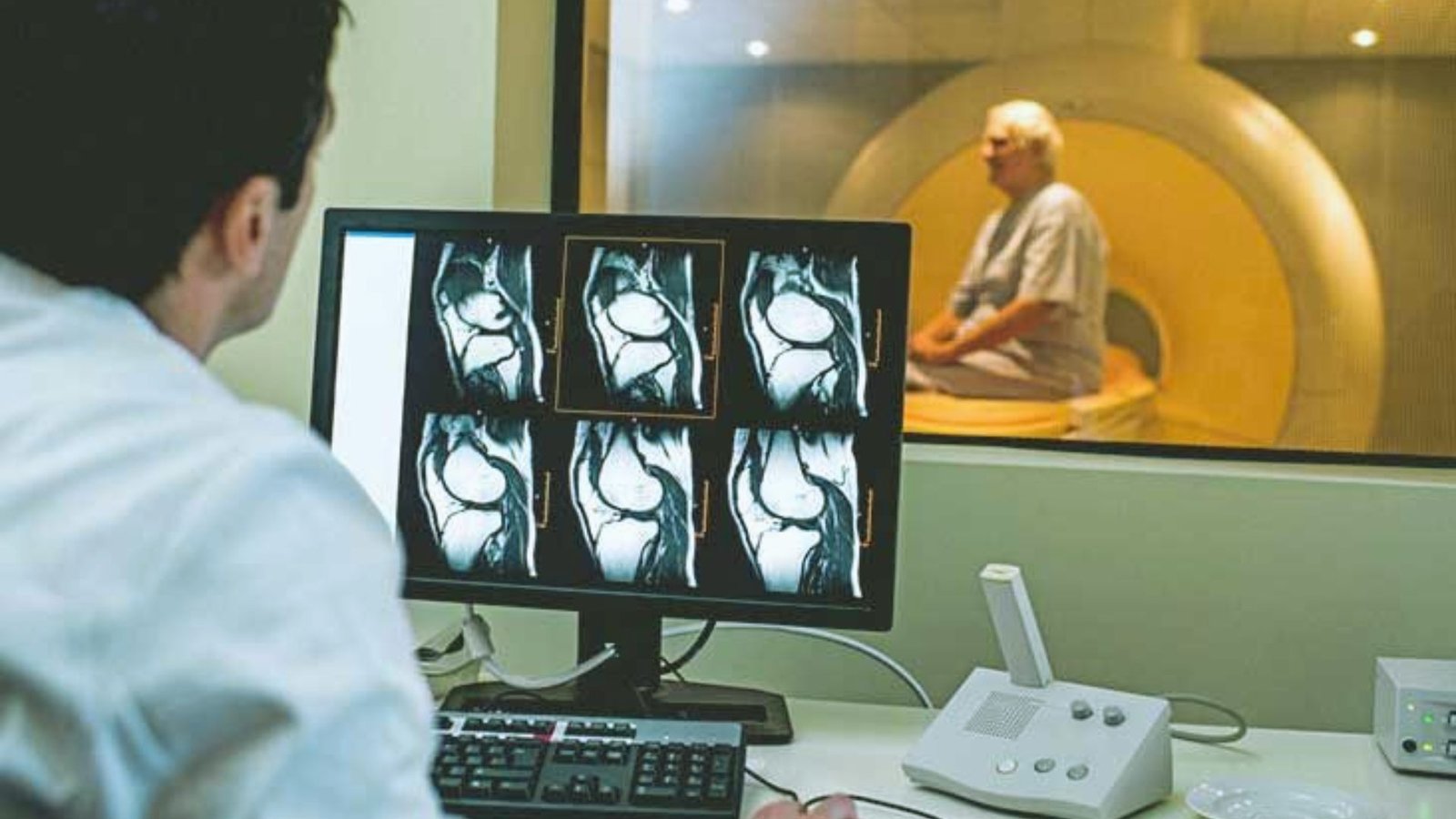
Most MRI techs start with a radiology degree before specializing through an accredited MRI program.
Start with a Radiologic Technology Degree
A two-year associate degree is the most common starting point, though a four-year bachelor’s degree opens more long-term options.
Most start with a two-year associate degree in radiologic technology, though some earn a four-year bachelor’s degree for more career flexibility down the road.
Complete an MRI Certificate or Post-Primary Program
After your radiology degree, a specialized MRI certificate or post-primary ARRT pathway is the next required step.
These programs typically take one year to complete and give you the focused MRI training needed to sit for the certification exam.
Make Sure Your Program Is Accredited
Accreditation through the JRCERT or a similar body directly affects your eligibility for certification exams.
If you already work in a related healthcare field, shorter certificate programs may be available to you, which can cut down your overall timeline.
How Long Does It Take to Become an MRI Tech?
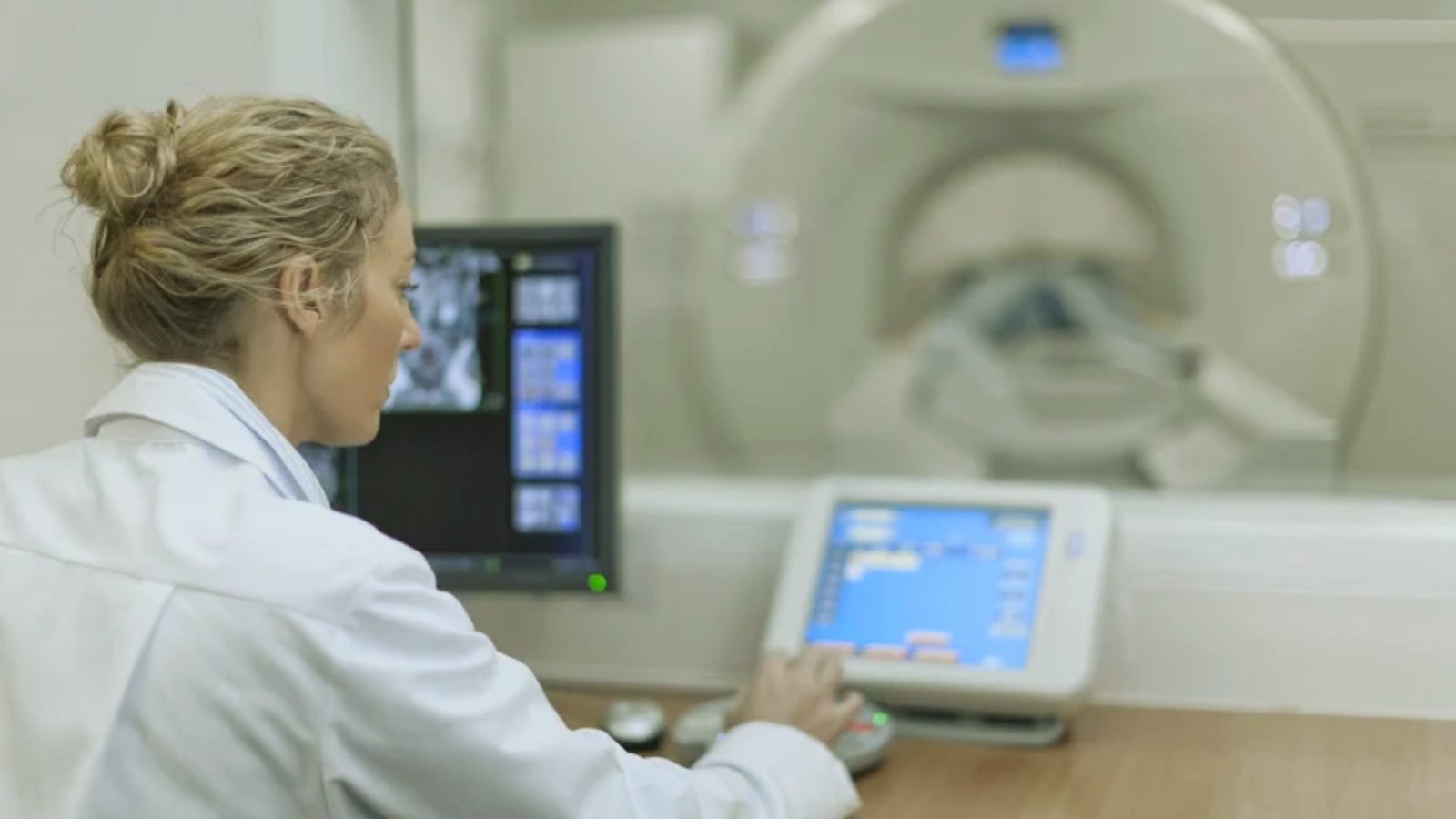
Your timeline depends on where you are starting from and which program path you choose.
Starting from scratch, expect four to five years total. This covers two to four years for a radiology degree plus roughly one year for MRI specialization.
If you are already a certified radiology tech, the post-primary route takes about one year.
Part-time programs or delays in clinical placements can extend your timeline, so planning early makes a real difference.
Cost of MRI Tech Education and Certification

Costs vary widely by school and program type, but there are plenty of ways to make it more affordable.
An associate degree in radiologic technology ranges from $10,000 to $40,000 depending on the school.
MRI certificate programs typically cost $3,000 to $15,000, and the ARRT exam runs around $200 to $250.
Federal financial aid, imaging organization scholarships, and employer tuition reimbursement can all help. Many hospitals will cover costs if you commit to working with them after graduation.
Tips to Become an MRI Tech Faster
Small, smart decisions early on can cut months off your timeline and get you working sooner.
- Choose a community college for your radiology degree. Tuition is lower and accreditation is often just as strong.
- Start clinical hours as early as your program allows to qualify for certification faster.
- Study for the ARRT exam during your clinical rotation so you are ready to test right after finishing.
- Look for bridge programs that combine radiology and MRI training in one package to save several months.
- Network with working MRI techs for program recommendations and real exam prep tips.
Conclusion
Becoming an MRI tech takes time and focus, but it is one of the most rewarding paths in healthcare.
I have always believed that careers in medical imaging are underrated. You are not just running a machine. You are helping someone get answers at a moment that really matters to them.
How to become an MRI tech is now laid out clearly for you. Take that first step, pick your program, and get started. Have questions?
Drop them in the comments below.
Frequently Asked Questions About Becoming an MRI Tech
Is MRI Tech a Good Career Choice?
Yes, it offers strong pay, steady growth, and meaningful work. Most MRI techs report high satisfaction because of the direct impact they have on patient care.
Is ARRT Certification Mandatory?
It is not federally required, but most employers and many states expect it. Without certification, your job options are significantly limited.
Can MRI Techs Work in Hospitals and Clinics?
Yes, they work in hospitals, outpatient imaging centers, specialty clinics, and mobile imaging units. Hospitals typically offer higher pay and more shift options.
How Much Does It Cost to Become an MRI Tech?
Total costs range from $13,000 to over $55,000 depending on your program path. Financial aid, scholarships, and employer reimbursement can help reduce that number.
What Is the Difference Between an MRI Tech and a Radiology Tech?
Radiology techs work with X-rays and general imaging, while MRI techs specialize in magnetic resonance imaging. Many MRI techs started out as radiology techs before specializing.