

Getting technology procurement right can save your organization time, money, and serious headaches.
In this article, I’ll walk you through the core information technology procurement best practices that IT leaders use to make smarter buying decisions. From defining needs to managing vendors and tracking ROI, I’ve covered it all.
I’ve spent years watching organizations struggle with poor procurement choices, and I want to help you avoid those same mistakes. You can trust this guide to give you clear, practical steps you can act on right away.
Let’s get started.
General Principles of Technology Procurement
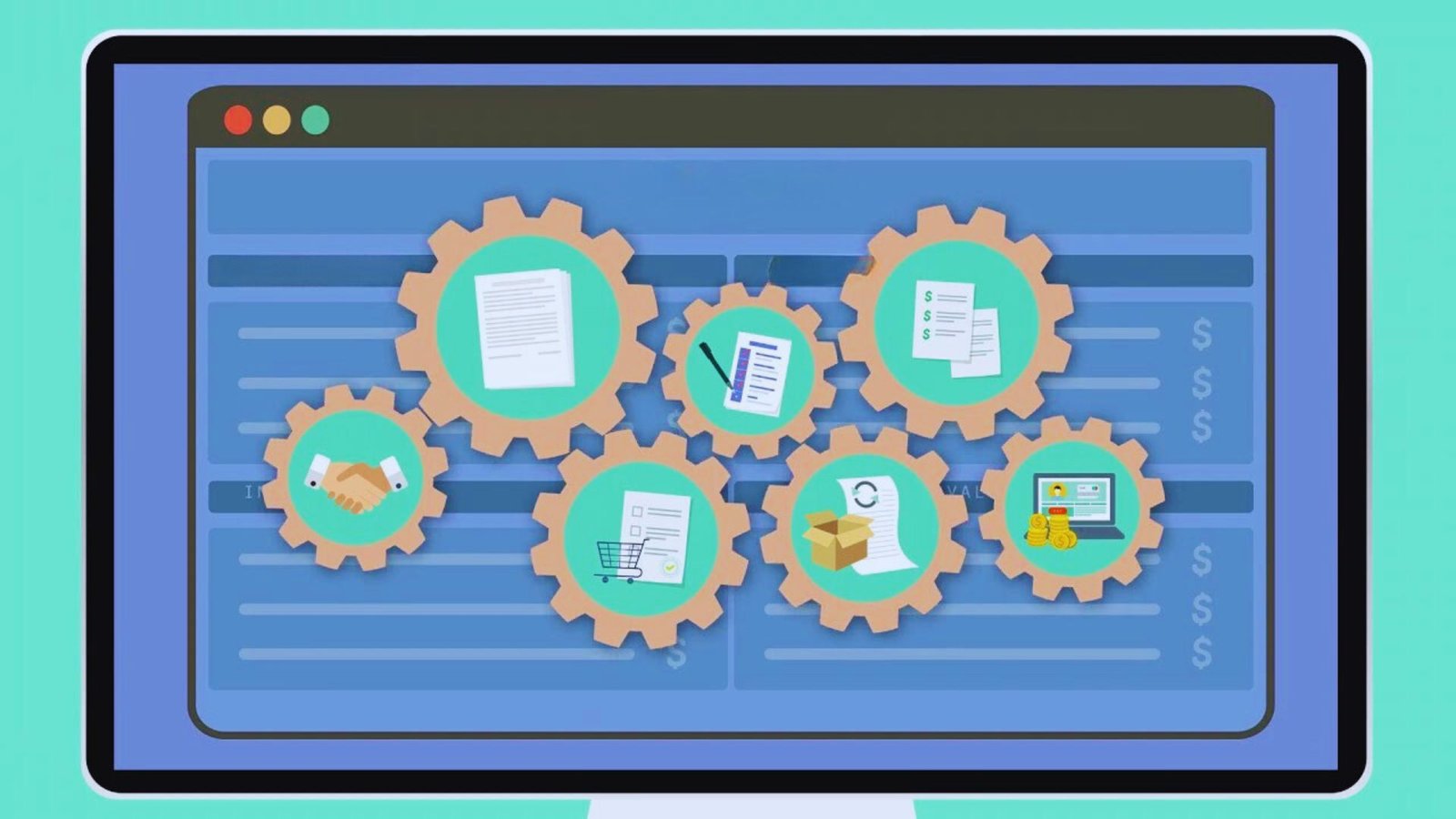
Good procurement decisions start with a clear understanding of what your organization actually needs. Before buying anything, talk to IT teams, finance, operations, and end users. Each group sees problems differently, and missing even one perspective can lead to costly mistakes.
Map your current technology, find the gaps, and set clear success metrics so you know what a good outcome looks like.
From there, connect your IT needs directly to your business goals. Document your requirements in writing, covering performance expectations, system integration, compliance, and scalability.
This written list becomes your filter when comparing options later. Finally, don’t let upfront cost drive the entire decision.
Look at the total cost of ownership (TCO), which includes setup, training, maintenance, and upgrades over time. A slightly higher initial investment can save significantly more down the road if the solution scales well and reduces your long-term support burden. Start here before talking to a single vendor.
Market Research and Vendor Selection

Rushing vendor selection is one of the most common and costly mistakes in IT procurement. Take your time here.
Conduct Comprehensive Market Research
Rushing vendor selection is one of the most costly mistakes in IT procurement. Read analyst reports, ask peers what they use, watch vendor demos, and study real case studies from similar organizations.
You want a full picture of the market, not just the vendors with the biggest marketing budgets.
Shortlist and Evaluate Vendors
Once you have a list, score each vendor using a weighted rubric covering functionality, technical fit, total cost, and support history. Run proof-of-concept tests where possible.
Call references and ask hard questions about downtime, response times, and past issues. This process separates strong vendors from ones that just look good on paper.
Assess Security and Compliance
Never skip this step. Review each vendor’s security certifications and understand how they handle your data. Check for compliance with regulations your industry requires, such as HIPAA or GDPR.
Also look at their financial stability. A vendor that shuts down takes your data and your contract with them.
Issuing and Managing RFPs
The Request for Proposal (RFP) process sets the tone for your entire vendor relationship. A well-written RFP gets you better responses and saves everyone time.
Structure RFPs Clearly
Your RFP should include project objectives, timelines, budget range, and both technical and functional requirements. Be specific about what you need.
Vague RFPs attract vague responses, and that makes comparison harder later. The more clearly you write it, the better the answers you will get back.
Streamline Vendor Responses
Use standard templates so all vendors answer the same questions. This makes side-by-side comparison much easier.
Set up a central place for vendor questions and answers, and keep everything documented and visible to your whole team. This avoids confusion and keeps the process fair for everyone involved.
Leverage AI and Automation
Modern RFP tools use AI to suggest responses based on past content, which speeds up the process and reduces human error. Automation can cut your RFP cycle time significantly.
Less time spent on paperwork means more time focused on evaluation and making the right decision for your organization.
Implementation and Change Management

Buying the technology is only half the work. Getting people to actually use it is the other half. Even the best solution fails if the rollout is poorly managed.
Plan Deployment Carefully
Assign clear ownership for the project from day one. Without a named project lead, decisions stall and timelines slip. Set up a governance structure so your team can move quickly when issues come up. Use a phased rollout rather than flipping the switch for everyone at once.
Start with a pilot group, gather honest feedback, and fix problems before going company-wide. Always have a backup plan ready. Things will go wrong at some point, and being prepared makes the difference between a minor delay and a major disruption.
Train and Engage Users
Run user acceptance testing before full deployment and take the feedback seriously. Change management is not optional. People resist new tools when they feel left out of the process or don’t understand why the change is happening.
Involve users early, explain the benefits clearly, and provide training in multiple formats such as written guides, video walkthroughs, and live sessions. The more supported users feel, the faster adoption happens and the more value you get from the investment.
Track Performance and ROI
After deployment, keep tracking results. Monitor usage rates, support ticket volume, user satisfaction scores, and direct business impact. Don’t just collect the data and move on. Review it regularly and use it to spot gaps in adoption or performance.
This information also becomes valuable input for your next procurement decision. Every technology purchase teaches you something about what your organization really needs, and the teams that learn from each cycle keep getting better at it.
Tips for Continuous Improvement in IT Procurement
Procurement is not a one-time event. The best organizations treat it as an ongoing process they keep refining.
- Involve more than just IT. Bring legal, finance, compliance, and end users into procurement decisions from the start.
- Set clear roles early. When everyone knows what they own, decisions move faster and with fewer surprises.
- Ask vendors about scale. Find out what the solution looks like at twice your current usage before you sign anything.
- Check your internal readiness. Make sure you have the staff and infrastructure to support growth before committing to a solution.
- Stop using general tools for procurement. Project management software is not built to handle procurement complexity.
- Use purpose-built procurement software. It offers centralized collaboration, compliance audit trails, and integrations with tools like Slack, Microsoft 365, and Salesforce.
- Keep reviewing and refining. Treat every procurement cycle as a chance to improve your process for the next one.
Conclusion
I know procurement can feel overwhelming, but it gets much easier with the right structure. The technology procurement best practices in this guide have helped teams like yours make better decisions, avoid costly mistakes, and get more from every IT investment.
Start small and pick one area to improve first.
From my own experience, even fixing the RFP process alone can change everything. Once you see results in one area, the rest follows naturally.
If this helped you, leave a comment below or share it with someone on your team. I’d love to hear what’s working for you.
Frequently Asked Questions
What is technology procurement in IT?
Technology procurement in IT is the process of identifying, evaluating, and purchasing software, hardware, or services to meet business needs. It covers everything from vendor selection to contract management.
Why is stakeholder involvement important in IT procurement?
Involving stakeholders ensures the solution meets real business needs and gets adopted after purchase. It reduces resistance and improves the quality of requirements from the start.
How do I evaluate vendors during IT procurement?
Use a weighted scoring rubric that covers functionality, cost, technical fit, and vendor reliability. Follow up with proof-of-concept testing and reference calls to validate vendor claims.
What is the total cost of ownership in technology procurement?
Total cost of ownership (TCO) includes all costs associated with a technology solution over its full lifecycle, including setup, training, maintenance, upgrades, and eventual replacement.
How can procurement software improve IT buying decisions?
Procurement software centralizes collaboration, maintains audit trails, and integrates with tools your team already uses. It reduces errors, speeds up the process, and improves compliance across the board.