

I’ve spent years tracking gaming tech, and the noise online is real. Everyone claims something is “next-level.” Most of it is not.
This guide breaks down what is new in gaming technology Jogametech covers right now. You’ll learn what actually matters, what to skip, and why these updates change how you play.
We cover AI and graphics upgrades, smarter game worlds, new input systems, cross-platform tools, and practical tips to stay updated. No fluff, no guessing.
Jogametech has tracked real gaming tech shifts for years, so you can trust what’s here.
The Current Landscape of What Is New in Gaming Technology Jogametech
Gaming tech in 2026 is moving fast, and what’s actually changing matters more than most headlines suggest. Two years ago, games looked and played very differently. Today, big shifts are happening in how games are built, run, and experienced. AI is leading that change, and rendering tech is right behind it.
These are not minor patches or small upgrades. They affect how games look, feel, and respond to your actions in real time. The hardware versus software debate is still going, but right now software is clearly winning. Better algorithms are doing more with the same chips.
Hyper-Real Graphics and Advanced Physics Engines
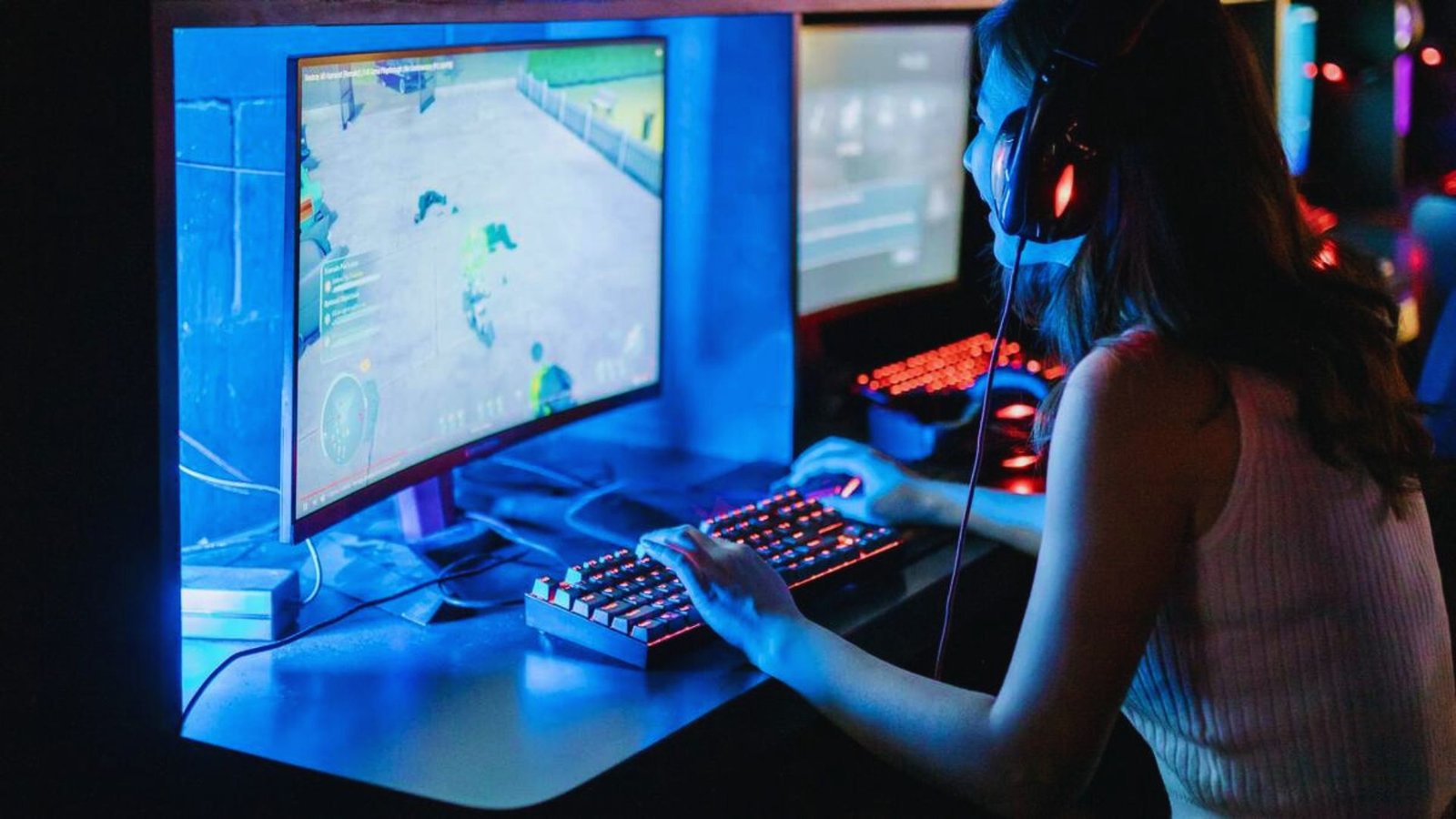
Visual upgrades in gaming now go beyond looks. They change how you think and play.
Full Path Tracing and AI Upscaling
Full path tracing is now showing up in more games. This tech simulates how light actually moves. Shadows, reflections, and colors all behave like real life. It is heavier on your system, but the results are clear. AI upscaling is where things get practical.
DLSS from NVIDIA and FSR from AMD keep improving. Both tools take a lower-resolution image and make it look sharper using AI. FSR 4 now works across more hardware. DLSS 3.5 adds AI-generated frames to boost performance without demanding a costly upgrade.
Real-Time Destruction and Gameplay Strategy
Real-time destruction is improving fast. Games now break walls, floors, and objects based on physics, not pre-set animations. This means two players can have completely different-looking maps by the end of a match.
When environments change during a game, you have to think differently. The cover disappears. Paths open. Lighting shifts. Visual tech is now a gameplay factor, not just something that looks good in screenshots. The way a game looks is starting to directly affect the decisions you make while playing.
AI-Driven Gameplay and Generative Game Worlds

AI is no longer just a graphics tool. It now shapes stories, enemies, and entire game worlds.
Smarter NPCs and Adaptive Enemy Behavior
NPC dialogue is changing fast. Games are testing AI systems where characters respond to what you actually say, not just preset options. This makes conversations feel less scripted and more real. Adaptive enemies are also getting smarter.
Machine learning lets in-game enemies study your patterns. If you always rush left, they start covering that side. This forces you to mix up your tactics every match. It is no longer enough to memorize a strategy. You have to actually think on your feet every time you play.
Generative Storylines and Opportunities for Small Studios
Generative storylines are still early, but they are real. Some games now create side quests, dialogue, and world events on the fly. No two playthroughs feel the same. For small studios, this is a big deal. AI tools cut down the cost of writing, animation, and world-building in a major way.
A team of ten can now build a game that used to need a hundred people. This is opening the door for more creative and independent games to reach players, which is good news for anyone who wants fresh ideas over the same repeated formulas.
Immersive Interfaces and the Future of Player Input

How you control games is changing. New input systems are making play feel more physical and real.
Haptic Feedback and VR and AR Improvements
Haptic feedback has improved a lot. Controllers now send signals that match what’s happening in the game. You feel rain differently from explosions. You feel surface texture when you walk on gravel versus grass. Sony and other makers keep pushing this tech forward. VR and AR are not dead either.
They are just getting more practical. Headsets are lighter. Screens are sharper. Refresh rates have gone up, which cuts motion sickness significantly. AR overlays are also starting to appear in mobile and handheld gaming, making immersive play more accessible than ever before.
Cloud Gaming and the Shift to Smart Input Systems
Cloud gaming has become more stable thanks to edge computing. Game servers are now placed closer to you, which means less lag even on weaker devices. You do not need a powerful PC if the server is doing the heavy work.
Smart controllers, eye tracking, and voice input are all growing alongside this shift. The move away from buttons-only control is slow, but it is real and it is picking up pace. How you interact with a game is becoming just as important as what the game looks like or how its world is built.
Cross-Platform Ecosystems and Seamless Connectivity

Cross-play is now standard in most major releases. You can play with someone on PC while they’re on console. Cross-progression goes further. Your save file, items, and level follow you from one device to another.
Procedural generation keeps games alive longer. Worlds, maps, and quests are built by algorithms, not designers. This keeps content fresh without needing a new game every year.
128-tick servers are raising the bar for competitive gaming. More server updates per second means your shots, moves, and inputs register faster and more accurately. This matters most in shooters and fast-paced games.
Netcode improvements are also reducing ghost bullets and lag-based deaths. Better prediction systems help the game decide what happens when two players’ connections disagree.
Tips to Stay Ahead of What Is New in Gaming Technology Jogametech
Practical steps to keep up with real gaming tech without getting lost in the hype.
- Focus on implementation. A feature only matters if it shows up in games you actually play. Do not get excited about tech that is still in a lab.
- Upgrade hardware strategically. You do not need a new GPU every year. Find your bottleneck first. More RAM or faster storage often helps more than a new graphics card.
- Follow real gameplay reviews. Benchmarks tell you numbers. Real players tell you how something feels. You need both to make smart decisions.
- Track AI integration. Look for games using AI in behavior and story, not just graphics. Those are the titles actually pushing things forward.
- Read developer blogs. Official studio and GPU company update pages give you direct information before it hits the news cycle.
- Stay updated with trusted tech sources. Jogametech covers what is real and useful. Bookmark sources that skip the hype and focus on what works.
- Test before you buy. Free trials, demos, and game passes let you feel new tech yourself before spending money on it.
Conclusion
Honestly, keeping up with gaming tech used to stress me out. There’s always something new, and it’s hard to know what actually matters.
But once I started focusing on real changes over marketing, things got clearer. What is new in gaming technology Jogametech covers is grounded in what you can actually use and feel while gaming.
These updates are not coming in five years. They’re here now. If this guide helped you, leave a comment below. Share it with a friend who loves gaming. Check out more posts on Jogametech for what’s coming next.
Frequently Asked Questions
What is new in gaming technology Jogametech focuses on most in 2026?
Jogametech focuses on AI-driven gameplay, advanced graphics engines, and cross-platform tools. These are the areas seeing the most real progress for everyday gamers.
How does AI upscaling improve gaming performance?
AI upscaling tools like DLSS and FSR use machine learning to sharpen low-resolution images in real time. This gives you better visuals without needing expensive hardware upgrades.
Is cloud gaming reliable enough for competitive play in 2026?
Cloud gaming has improved with edge computing reducing lag, but it still depends on your internet connection. For casual play it works well, though serious competitive gamers often prefer local hardware.
What does cross-progression mean for gamers?
Cross-progression lets you carry your game progress, items, and account across different devices and platforms. You can start on PC and continue on console without losing anything.
How are generative game worlds different from regular open worlds?
Generative worlds are built by algorithms during gameplay, making every session different. Regular open worlds are hand-designed, so the layout and events stay the same each time you play.