
I used to swap lithium batteries into everything without thinking twice. Then one of my remotes started acting up and I had to dig into why.
Turns out, not all devices handle lithium the same way.
In this guide, I’ll break down exactly where lithium batteries work well and where they don’t.
You’ll learn the key differences, the safety risks, and how to check compatibility before making the switch.
By the end, you’ll know how to make smarter battery choices for every device in your home.
What Are Lithium Batteries?
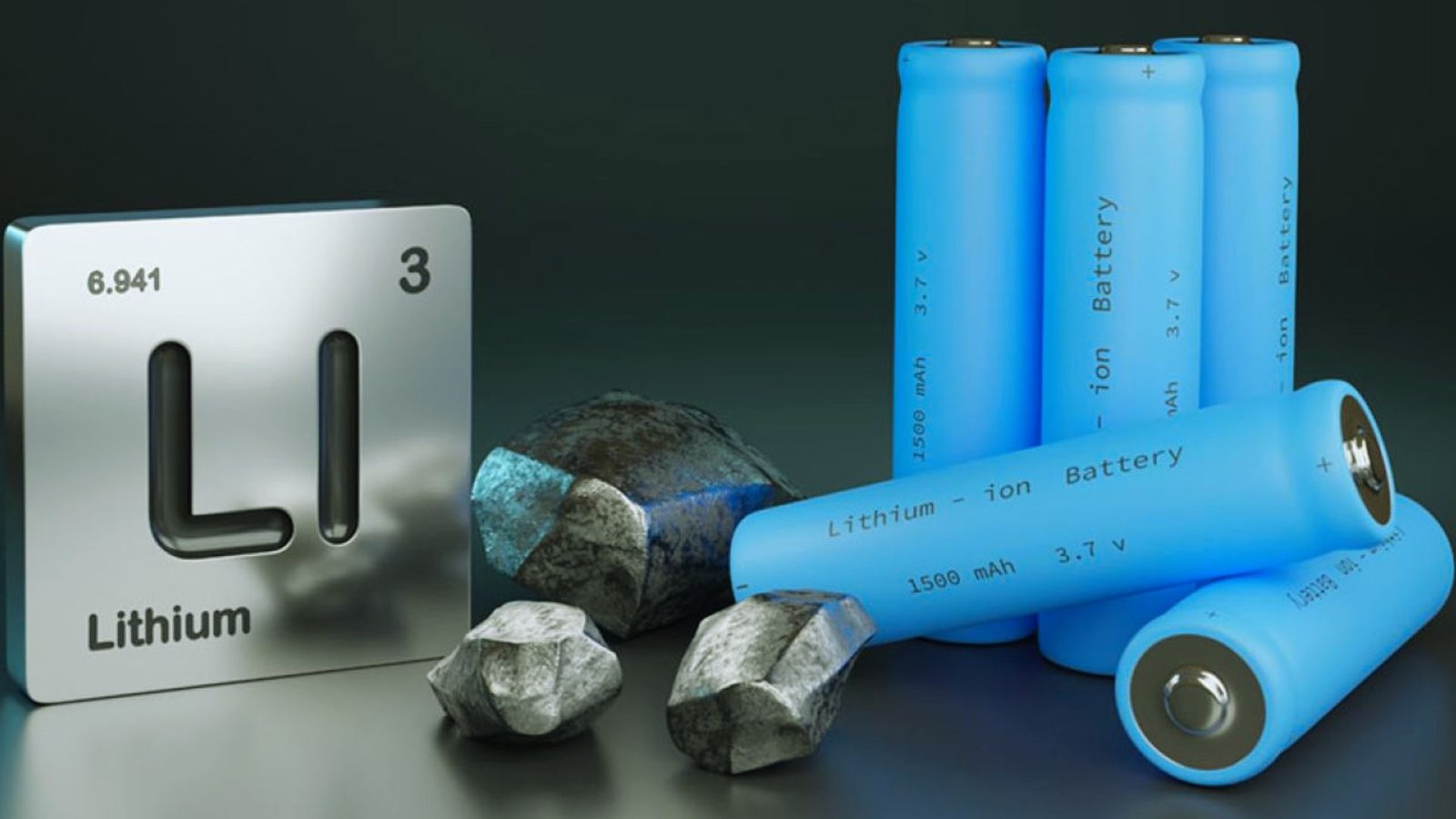
Lithium batteries use lithium as their main active material and come in several forms worth knowing before you buy.
The two most common types are lithium-ion and lithium primary batteries. Lithium-ion batteries are rechargeable and found in phones and laptops.
Lithium primary batteries, like AA or AAA, are single-use replacements for standard alkaline batteries.
Compared to alkaline and NiMH, lithium batteries are lighter, last longer, and perform better in extreme temperatures.
The trade-offs are a higher price and compatibility issues with certain low-drain devices.
Can You Use Lithium Batteries in Anything?
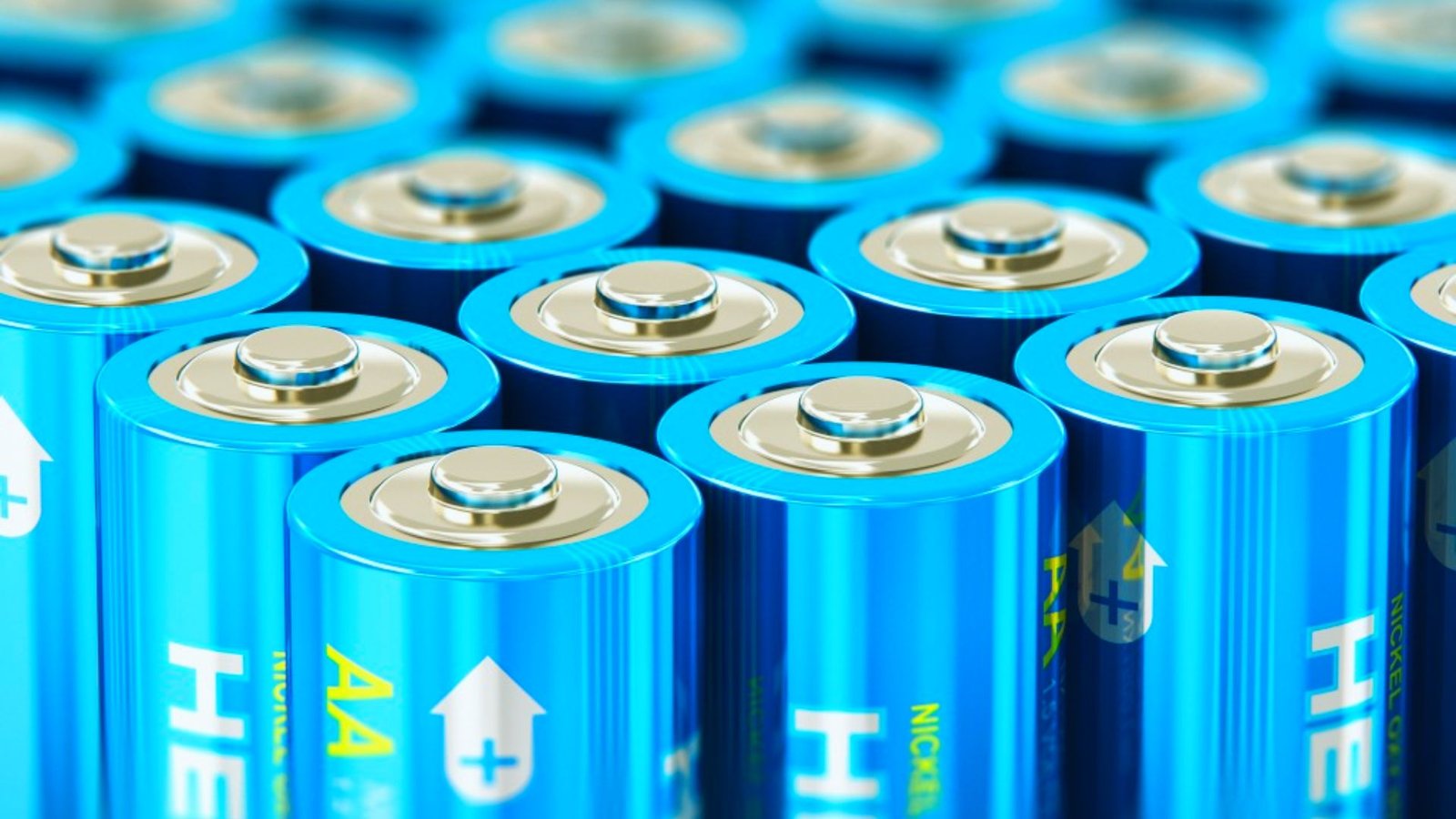
Not exactly, and the answer depends on your device type, voltage needs, and how much power it draws.
Why Lithium Batteries Are Not Universal Replacements
Lithium outputs a slightly higher voltage than alkaline, and not every device is built to handle that difference safely.
Devices built around a tight voltage range can develop damaged circuits or give incorrect readings when lithium is used in place of alkaline batteries.
Situations Where Lithium Batteries Work Well
Devices that need steady, long-lasting power in demanding or cold conditions are where lithium truly delivers.
High-drain electronics, outdoor gear, and cold-weather devices get the most out of what lithium has to offer compared to other battery types.
Situations Where Lithium Batteries Should Be Avoided
Voltage-sensitive and safety-critical devices are not the right match for lithium batteries.
Low-drain devices, older electronics, children’s toys, and medical equipment all carry risks when paired with lithium due to voltage sensitivity and safety concerns.
Devices Where Lithium Batteries Are Safe to Use
Lithium batteries perform best in devices that demand consistent, long-lasting power in tough conditions.
High-Drain Devices

These devices pull power fast and need a battery that keeps up without dropping off early.
Cameras, flashlights, and GPS units drain power quickly, and lithium handles that steady demand better than alkaline from start to finish.
Smart Home and Security Devices

Devices that run all day every day need a power source that lasts without constant maintenance.
Smart doorbells, motion sensors, and security cameras benefit from the long life lithium provides without frequent battery swaps.
Outdoor and Cold-Weather Electronics

Cold temperatures drain alkaline batteries fast, but lithium holds strong even in freezing conditions.
Lithium is the go-to choice for electronics used while camping or skiing because it holds its charge far better than alkaline in the cold.
Emergency and Backup Devices
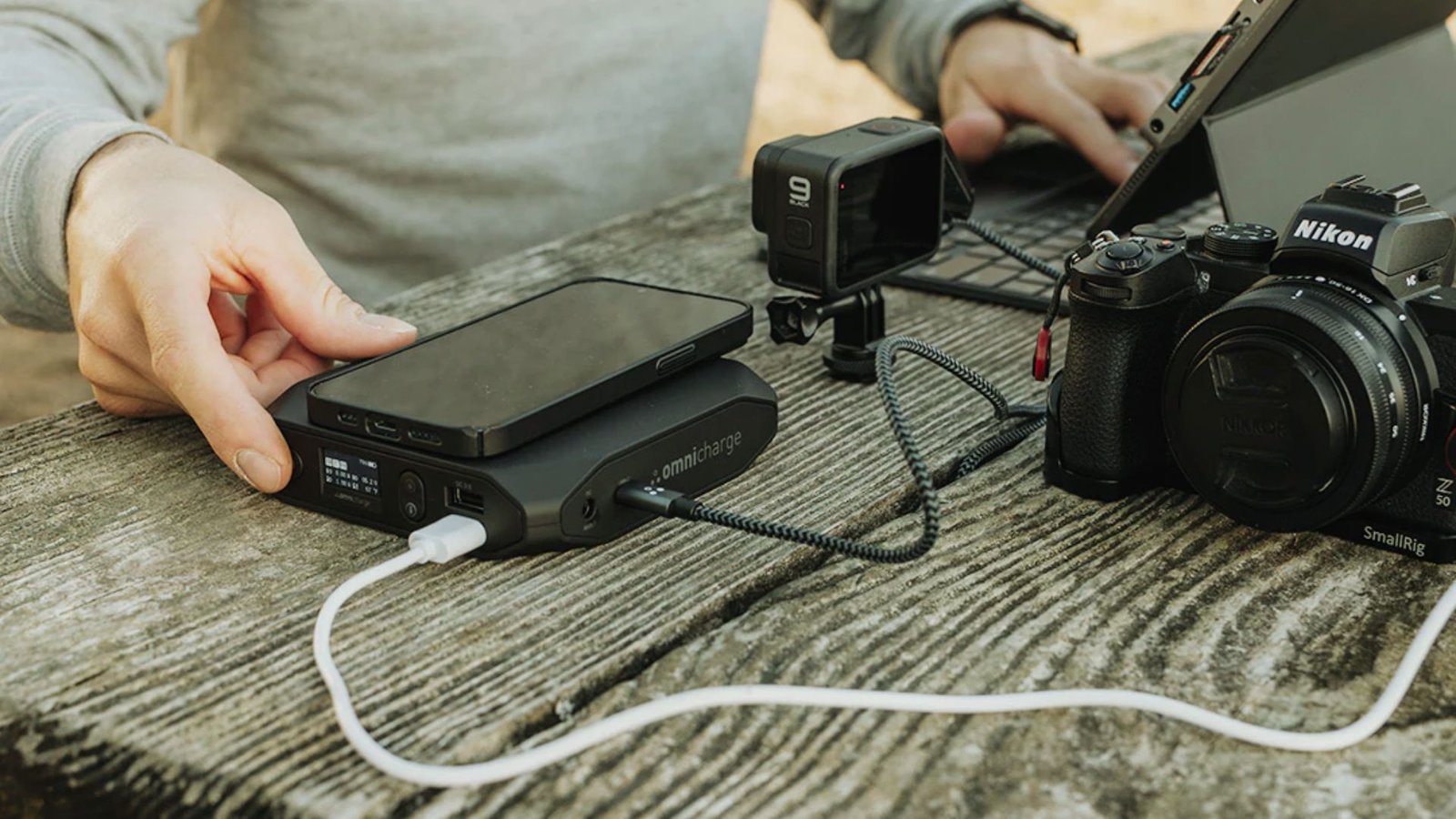
Devices you store and rarely touch need a battery that stays ready for years without degrading.
With a shelf life of up to 20 years, lithium is ideal for smoke detectors and emergency radios that sit unused for long stretches.
Lithium Batteries vs Alkaline Batteries
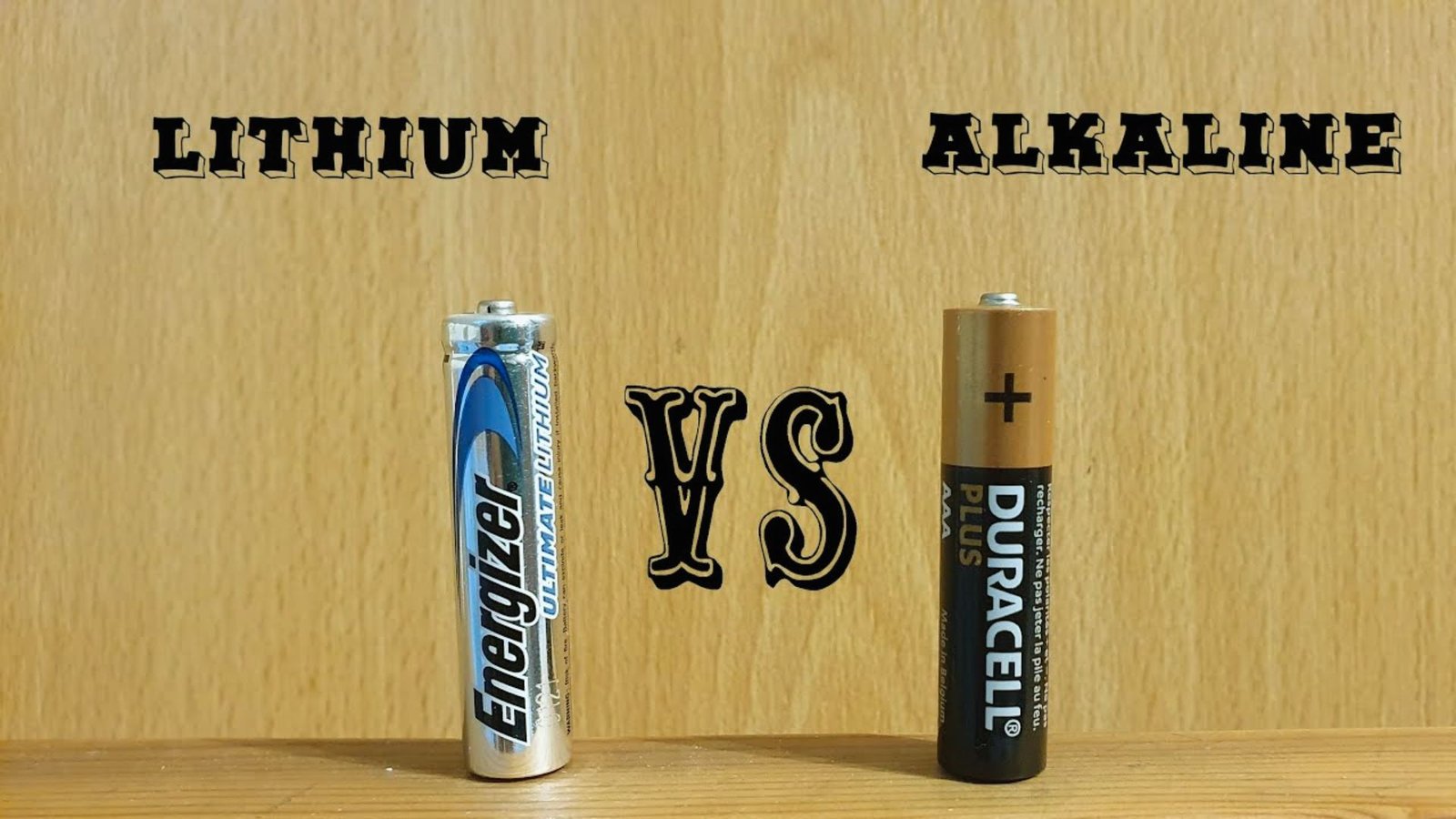
Knowing where each battery type wins helps you make a smarter, cost-effective choice for every device.
| Category | Lithium | Alkaline |
|---|---|---|
| Starting Voltage | 1.5 volts | 1.5 volts |
| Voltage Over Time | Stays steady much longer | Drops gradually from the start |
| Best For | High-drain devices | Low-drain devices |
| Lifespan | Two to three times longer in high-drain use | Shorter under heavy use |
| Cold Weather | Performs well in freezing temps | Loses power quickly in the cold |
| Upfront Cost | Higher per pack | More affordable |
| Cost Over Time | Balances out with longer lifespan | Lower upfront, replaced more often |
| Environmental Impact | Requires proper disposal, harmful to landfills | Less toxic but still needs responsible disposal |
Disposal matters with lithium, and proper recycling keeps harmful materials out of landfills.
How to Know If Your Device Supports Lithium Batteries
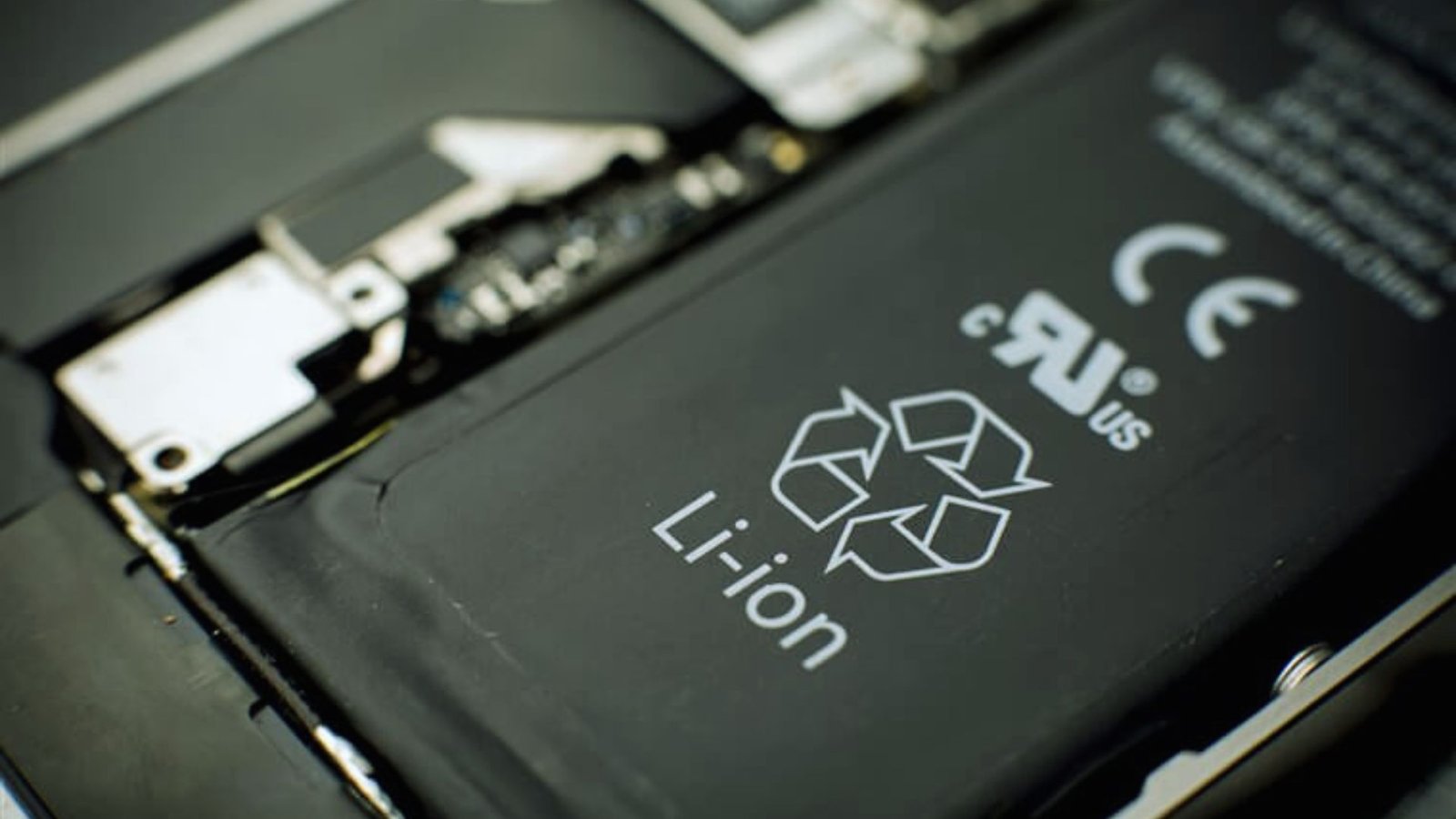
A quick check before swapping batteries can save your device from damage and save you money in the long run.
Start with the device manual or the label inside the battery compartment. Both confirm which battery types are approved and safe to use.
Check the voltage requirements and compare them to the lithium battery’s output. A mismatch, even a small one, can cause problems in sensitive devices.
If your device runs hot, shuts off randomly, or behaves oddly after switching, go back to the recommended battery type right away and follow the manufacturer’s guidance.
Best Alternatives If Lithium Batteries Aren’t Suitable
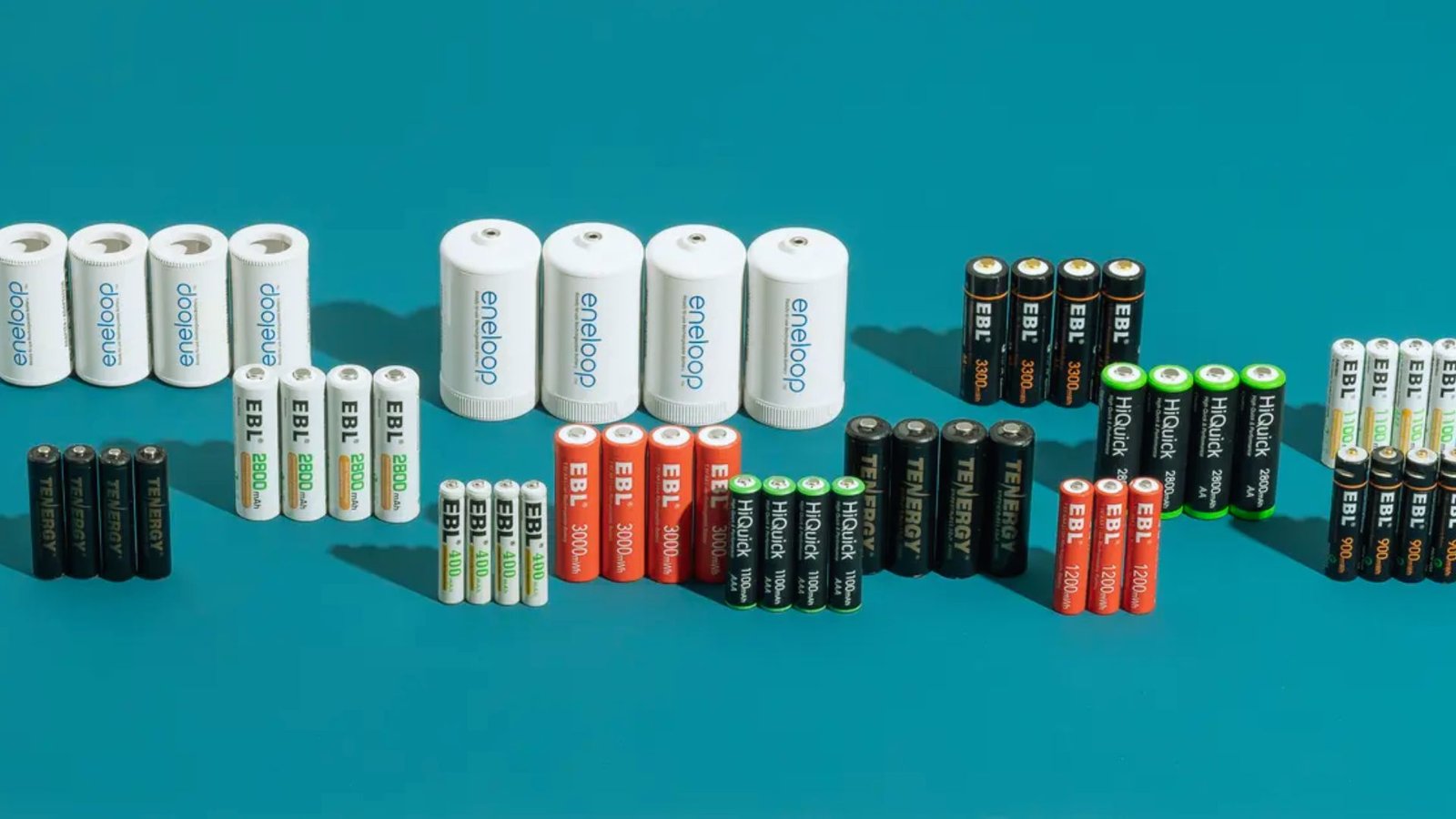
When lithium isn’t the right fit, there are reliable options that work well for a wide range of everyday devices.
When Alkaline Batteries Are a Better Choice
For everyday low-drain devices, alkaline is affordable, accessible, and purpose-built for the job.
Alkaline batteries are a natural fit for remotes, clocks, and basic household gadgets where long shelf life and low cost matter most.
Advantages of NiMH Rechargeable Batteries
NiMH offers the convenience of recharging with a safer voltage profile that works well in a wider range of devices.
They are cost-effective over time and a solid option for devices with tighter power requirements that lithium might push too hard.
Choosing the Right Battery Based on Device Needs
The best battery is simply the one that matches what the device actually needs, nothing more and nothing less.
Match the battery type to the device’s power demands, since using the right battery from the start saves money and prevents avoidable damage.
Tips for Using Lithium Batteries Safely and Correctly
A few simple habits go a long way in keeping your devices safe and getting the most out of every lithium battery you use.
- Always check the device manual for approved battery types before switching to lithium, since compatibility varies more than most people expect.
- Never mix lithium batteries with alkaline or NiMH in the same device, as uneven discharge can cause leakage or damage to internal components.
- Store lithium batteries in a cool, dry spot at room temperature and keep loose batteries away from coins or keys to prevent short circuits.
- When traveling, pack spare lithium batteries in your carry-on bag and check airline-specific rules ahead of time to avoid issues at security.
- Recycling used lithium batteries at a certified drop-off point like Best Buy or Home Depot, since disposing of them in regular trash is harmful and often illegal.
Conclusion
I used to think any battery could go in any device. After a few costly mistakes and one very confused wall clock, I learned better.
Can you use lithium batteries in anything? No, but with a little know-how, you can use them exactly where they shine.
Take a minute to check your device labels before switching. It makes a real difference. Found this helpful?
Drop a comment below or share this post with someone who keeps buying the wrong batteries.
Frequently Asked Questions
Can you use lithium batteries instead of alkaline batteries?
Yes, but only in compatible devices. Lithium batteries work well in high-drain electronics, but some devices are built for alkaline and may not perform correctly with lithium.
Are lithium batteries safe for TV remotes?
Generally, no. TV remotes are low-drain devices that work best with alkaline, and lithium may cause voltage issues in remotes not designed to handle them.
Can lithium batteries damage electronic devices?
Yes, they can. Devices with tight voltage tolerances may be damaged by lithium’s higher initial output, so always check the manufacturer’s recommendation first.
Are lithium batteries suitable for children’s toys?
Most children’s toys are not designed for lithium batteries. The higher voltage and potential safety risks make alkaline or NiMH a better option for toys.
What happens if you use lithium batteries incorrectly?
Using lithium in incompatible devices can cause overheating, erratic performance, or circuit damage, and in rare cases may lead to leakage or swelling.