

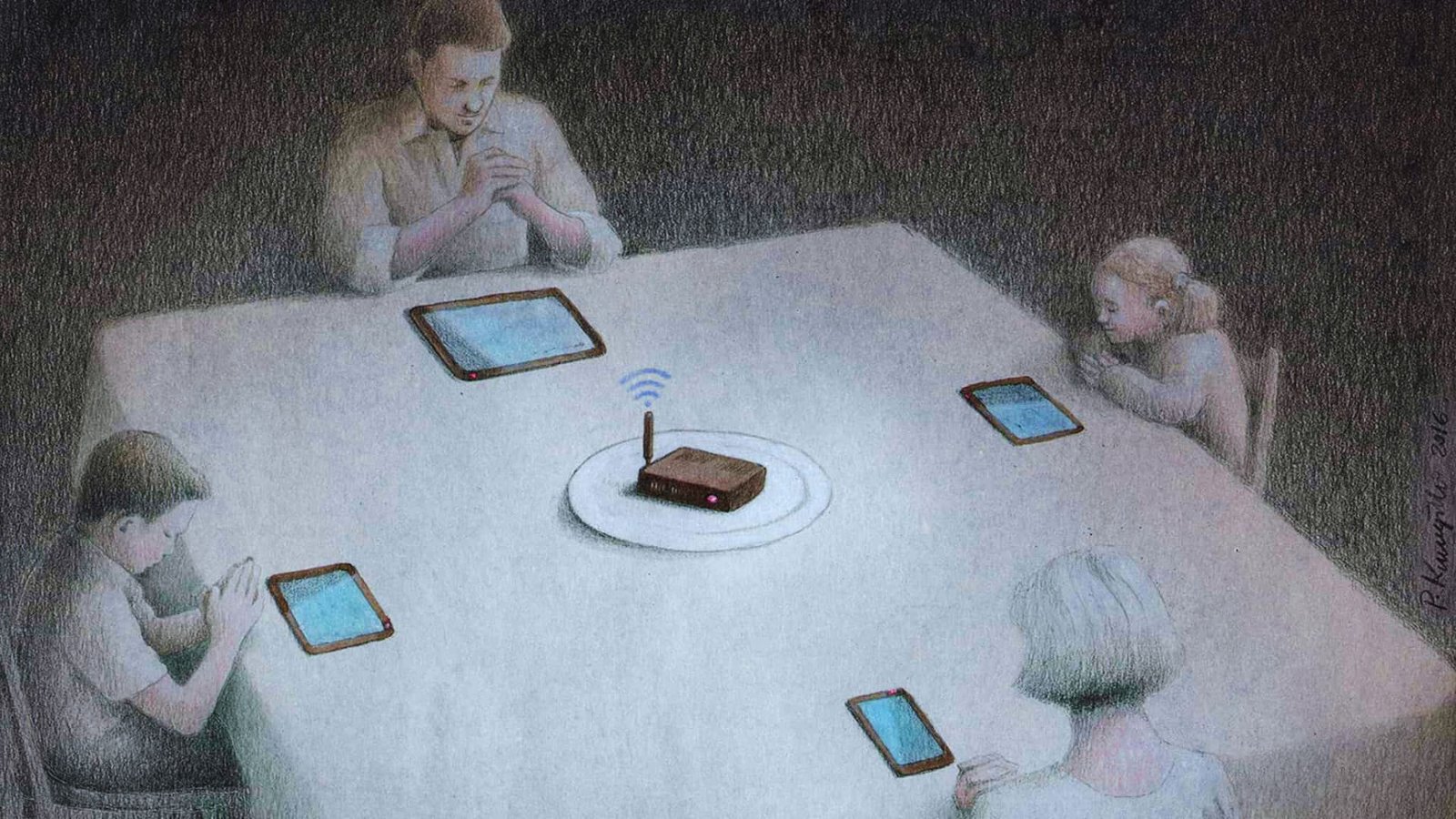
Does technology make us more alone? I’ve asked myself this while scrolling through my phone, feeling oddly empty despite being “connected.” It’s a real problem and more people feel it than you think.
In this article, I’ll break down how technology affects loneliness, the honest pros and cons, and simple tips to find better balance.
I’ve researched this topic closely and talked to people who feel the same way. You’re not imagining it.
By the end, you’ll have a clearer picture of what’s really going on and what you can actually do about it.
Does Technology Make Us More Alone?

Technology has made it easier than ever to stay in touch. Messaging apps, video calls, and social media let us reach people across the world in seconds. During the pandemic, these tools were lifesavers.
Families connected over video calls, friends texted to stay close, and support groups moved online. For many people, the internet became a place of real human warmth.
But there is a flip side, and most of us know it well. When we spend too much time online, face-to-face conversations drop and relationships feel thinner.
We message constantly but rarely sit down and truly connect. Social media shows everyone’s highlight reel, and without realizing it, we start comparing our everyday life to other people’s best moments.
That comparison quietly builds into loneliness. So yes, technology connects us, but it can also leave us feeling more alone than ever.
How Does Technology Make Us More Alone?

The hidden ways screens impact your mental health and real-world relationships.
Psychological Impacts
Research links heavy screen use to higher rates of anxiety, depression, and stress. People report feeling disconnected even when constantly online.
Notifications pull us away from the present moment. We sit with people physically but our minds are somewhere else, checking messages or watching reels. There is also the dopamine loop.
Every like or comment gives your brain a small reward, so you keep coming back. But that feeling fades fast and the emptiness that follows can feel heavier than before.
Studies show that teens who spend five or more hours daily on their phones are far more likely to report loneliness and sadness. That is a serious concern worth paying attention to.
Social Implications
Technology is quietly changing how we build relationships. Social circles are shrinking and many adults today have only one or two people they can truly confide in. Young people feel especially isolated, liked by many but truly known by few.
Online friendships can feel meaningful, but they often lack the depth that comes from real time spent together.
A long walk, an honest conversation, or simply sitting in comfortable silence with someone cannot be replaced by a screen. The more we swap in-person time for screen time, the more we lose the small moments that make relationships feel real and lasting.
Why Are We More Connected Yet More Alone in the Digital Age?

How being always online can quietly make us feel more distant from the people around us.
The Paradox of Constant Connectivity
We are more connected today than at any point in history, yet loneliness is at an all-time high. Most of us are online all day but rarely have a deep or meaningful conversation. We send quick replies, react to posts, and scroll through updates, but none of that replaces the feeling of being truly heard by someone.
Constant connectivity can actually make emotional distance worse because it gives us the illusion that we are engaging when we are really just skimming the surface of human connection.
Social Media and the Illusion of Friendship
Having thousands of followers does not mean having real friends. Social media is built around likes, comments, and validation, not genuine bonds.
Many people curate a version of themselves online that looks confident and happy, while feeling the opposite in real life. We perform for an audience instead of simply living.
We document moments instead of feeling them. Over time, this gap between who we are online and who we really are makes it harder to build honest and lasting relationships with the people right in front of us.
Does Technology Make Us More Alone? Pros and Cons

An honest breakdown of what technology gives us and what it takes away.
Pros of Technology
Technology does a lot of good when used with intention. It keeps long-distance relationships alive through video calls, texts, and voice notes. For shy people or those with social anxiety, online spaces feel safer and easier to open up in.
Online communities have given millions of people a real sense of belonging, from grief support groups to chronic illness forums. For people in remote areas or those with disabilities, the internet has opened doors that simply did not exist before. Used thoughtfully, technology is a genuine tool for human connection.
Cons of Technology
The problems start when technology replaces real life instead of supporting it. Many people check their phones over 150 times a day without realizing it. Social media platforms are built to keep you scrolling as long as possible.
Your well-being is not their priority. Over time, social comparison, constant notifications, and poor sleep from late-night screen use all add up. People end up more stressed, less rested, and more alone than when they first picked up their phones.
When Technology Goes Too Far
Over-documenting life pulls you out of the actual experience. Every meal becomes a photo. Every moment becomes content. Somewhere in all of that, the real feeling gets lost. When life becomes something to post, it stops being something to feel.
The cost of too much technology shows up slowly and quietly, until one day you realize you cannot remember the last time you had a full conversation without checking your phone.
Tips to Stay Connected and Avoid Loneliness

Small, simple changes that can make a big difference in how connected you feel.
- Put your phone away during meals and family time. Not silent, not face-down. Fully away.
- Set simple daily rules. No scrolling after 9 PM and no phones at the dinner table.
- Before picking up your phone, ask yourself why. Boredom or something real? That one question changes everything.
- Stop documenting and start living. Put the camera down and just be present in the moment.
- Limit social media to set times. Ten minutes morning and night is more than enough.
- Use technology to plan real meetups, not replace them. Text to meet up, then actually show up.
- Make in-person time a weekly priority. A walk, a meal, a real conversation. That is where true connection lives.
Conclusion
I’ll be honest, I’ve felt it too. Scrolling late at night, surrounded by noise online, yet feeling oddly empty inside. Technology is not the enemy, but it can quietly pull us away from the people and moments that matter most.
The key is balance. Use your phone to connect, then put it down and actually be present with the people around you.
Small and consistent changes add up more than you think. If this post made you reflect on your own habits, I’d love to hear your thoughts. Drop a comment below or share this with someone who needs it.
Frequently Asked Questions
Does technology make us more alone?
Yes, it can. When overused, technology replaces real face-to-face connection with shallow online interaction, leaving people feeling isolated even when they are constantly connected.
How does social media affect loneliness?
Social media pushes constant comparison and fear of missing out. Too much scrolling has been linked to higher anxiety, depression, and loneliness, especially in young people.
Can technology help reduce loneliness?
Yes, when used with care. Video calls, messaging apps, and online communities help people stay connected across distances and give anxious individuals an easier way to build relationships.
How much screen time is too much?
Most experts suggest one to two hours of recreational screen time per day. The real question is simple, how do you feel after using your phone?
What are simple ways to feel less lonely in a tech-heavy world?
Set phone-free times each day, make space for in-person meetups, cut back on mindless scrolling, and focus on a few deep relationships rather than many shallow online ones.