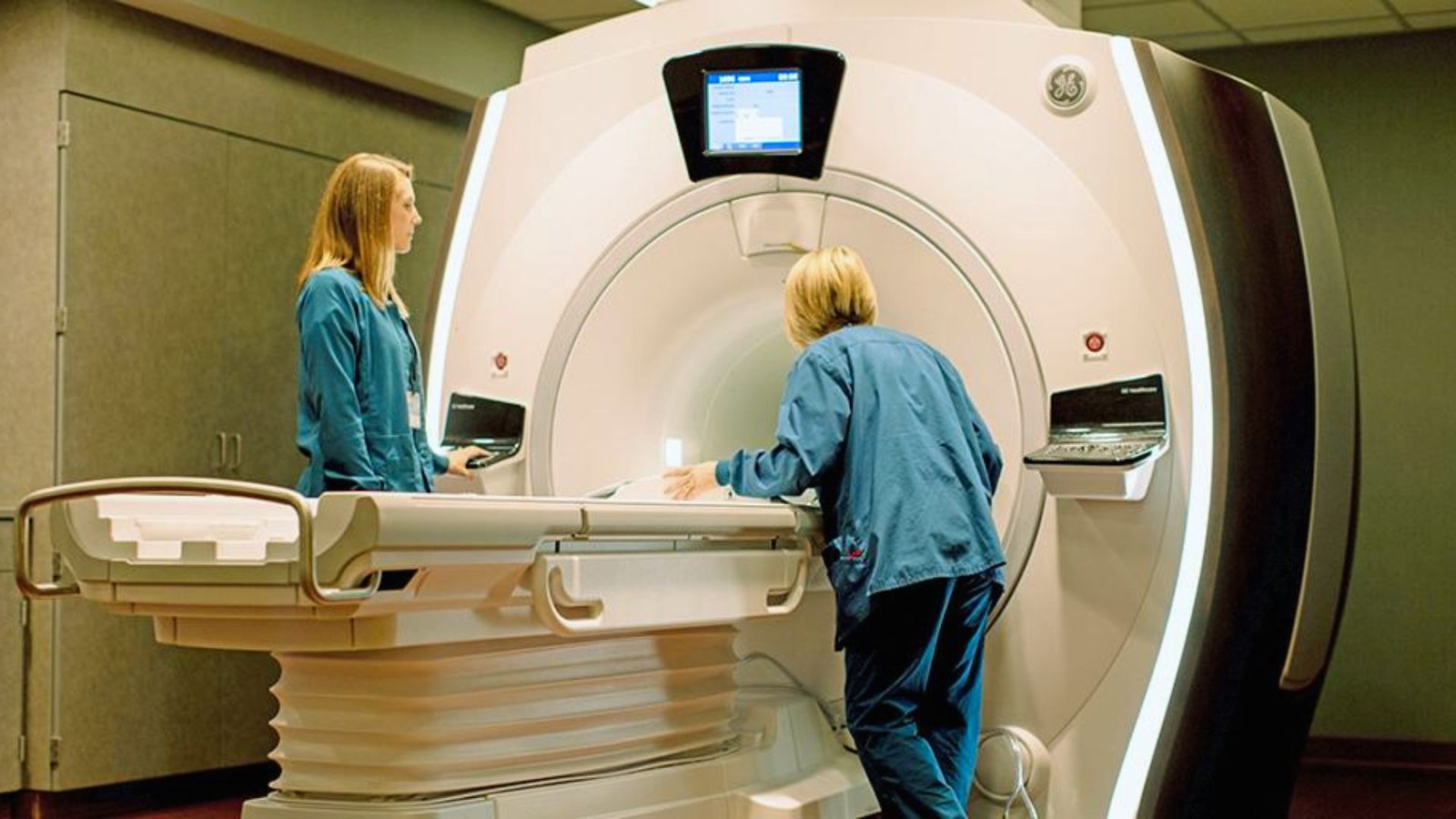


If you’ve been researching how to become a CT tech, you’re in the right place. This guide covers everything you need, from choosing the right degree to passing your certification exam.
I’ll walk you through education requirements, state licensing, salary expectations, and more. No fluff, no confusion.
CT technology is one of the most stable careers in healthcare right now. The demand is real, the pay is solid, and the path is clearer than most people think.
I’ve put this together so you don’t have to piece it all together yourself. By the end of this article, you’ll have a clear, actionable plan.
Let’s get into it.
What Is a CT Tech?
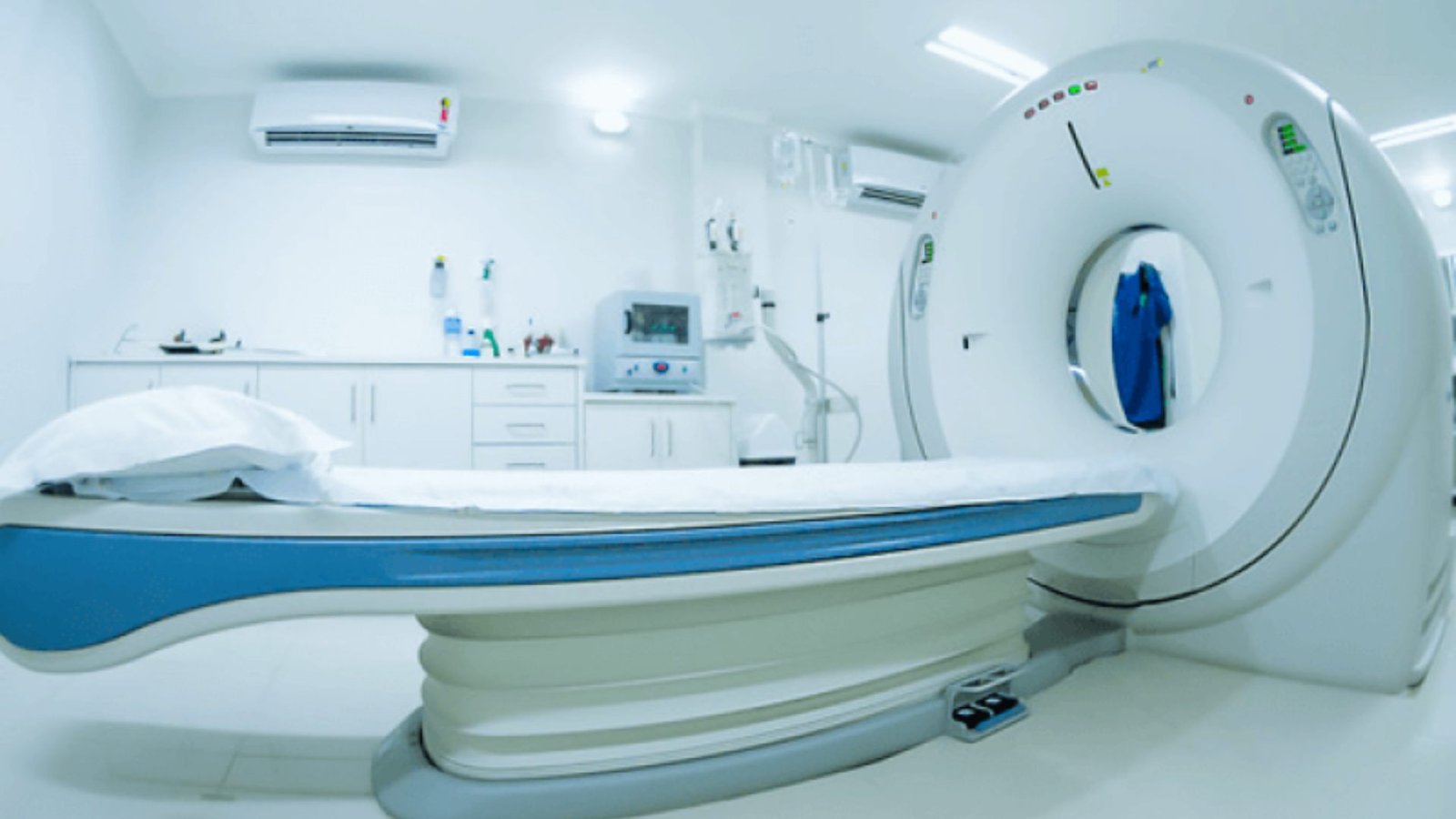
A CT tech operates computed tomography scanners to help doctors diagnose conditions inside the body accurately and efficiently.
CT techs run CT scanners, capture detailed cross-sectional body images, and work closely alongside radiologists to support accurate diagnoses.
Beyond operating equipment, they prepare patients before scans, explain the procedure, adjust imaging settings, and maintain detailed equipment records.
Radiation safety is a big part of the role too. Every scan has to be done carefully, with the patient’s safety as the top priority.
They work across a wide range of settings including hospitals, outpatient imaging centers, trauma units, cancer treatment facilities, and veterans’ hospitals.
Some CT techs even work in mobile imaging units. The setting you choose directly affects your schedule, earning potential, and daily responsibilities, so it’s worth thinking about early in your career planning.
How to Become a CT Tech: Step-by-Step Guide

Five clear steps take you from student to certified CT technologist ready for the workforce.
Step 1: Complete an Accredited Imaging Degree
Your degree is the starting point, and accreditation is what makes it count.
Enroll in a JRCERT-accredited radiologic technology program. You can earn an associate or bachelor’s degree, but accreditation is non-negotiable for certification eligibility.
Step 2: Become a Certified Radiologic Technologist
Your RT credential is the required foundation before CT specialization is even possible.
Pass the ARRT radiography exam to earn your RT credential. Without this step, you cannot move forward in the CT certification process.
Step 3: Gain CT Clinical Experience
Hands-on experience is where classroom knowledge meets real-world practice.
Log hands-on CT procedures under supervision. Most pathways require a set number of documented procedures, so start tracking them early and don’t fall behind.
Step 4: Pass the CT Certification Exam
This exam is what officially qualifies you to work as a certified CT technologist.
Apply for the ARRT CT post-primary exam once clinical requirements are met. Study using ARRT’s official content outline and focus on procedures, safety, and equipment operation.
Step 5: Apply for State Licensure
Certification gets you qualified, but state licensure is what lets you legally practice.
Some states require a separate CT license beyond ARRT certification. Check your state’s imaging licensing board and complete any additional steps before applying for jobs.
Education Requirements to Become a CT Tech

An accredited imaging degree with strong clinical training is the foundation for every CT tech career.
Associate vs Bachelor’s Degree: Which Is Better?
Your choice depends on how fast you want to enter the field and how far you want to go.
An associate degree takes two years and gets you working faster. A bachelor’s degree takes four years and opens doors for management and teaching roles.
Both work fine; your timeline and goals decide which fits best.
Required Coursework and Clinical Training
Expect a mix of classroom learning and real-world hands-on practice throughout your program.
Core subjects include anatomy, imaging physics, patient positioning, and radiation protection. Programs typically require 900 to 1,800 clinical hours before graduation.
Accredited Programs and Eligibility Criteria
Only graduates of accredited programs can sit for the ARRT exam, so choose carefully.
JRCERT-accredited programs meet national education standards and confirm your eligibility for certification. Most require a high school diploma, science prerequisites, and sometimes prior medical shadowing hours.
CT Tech Certification and Licensing Explained
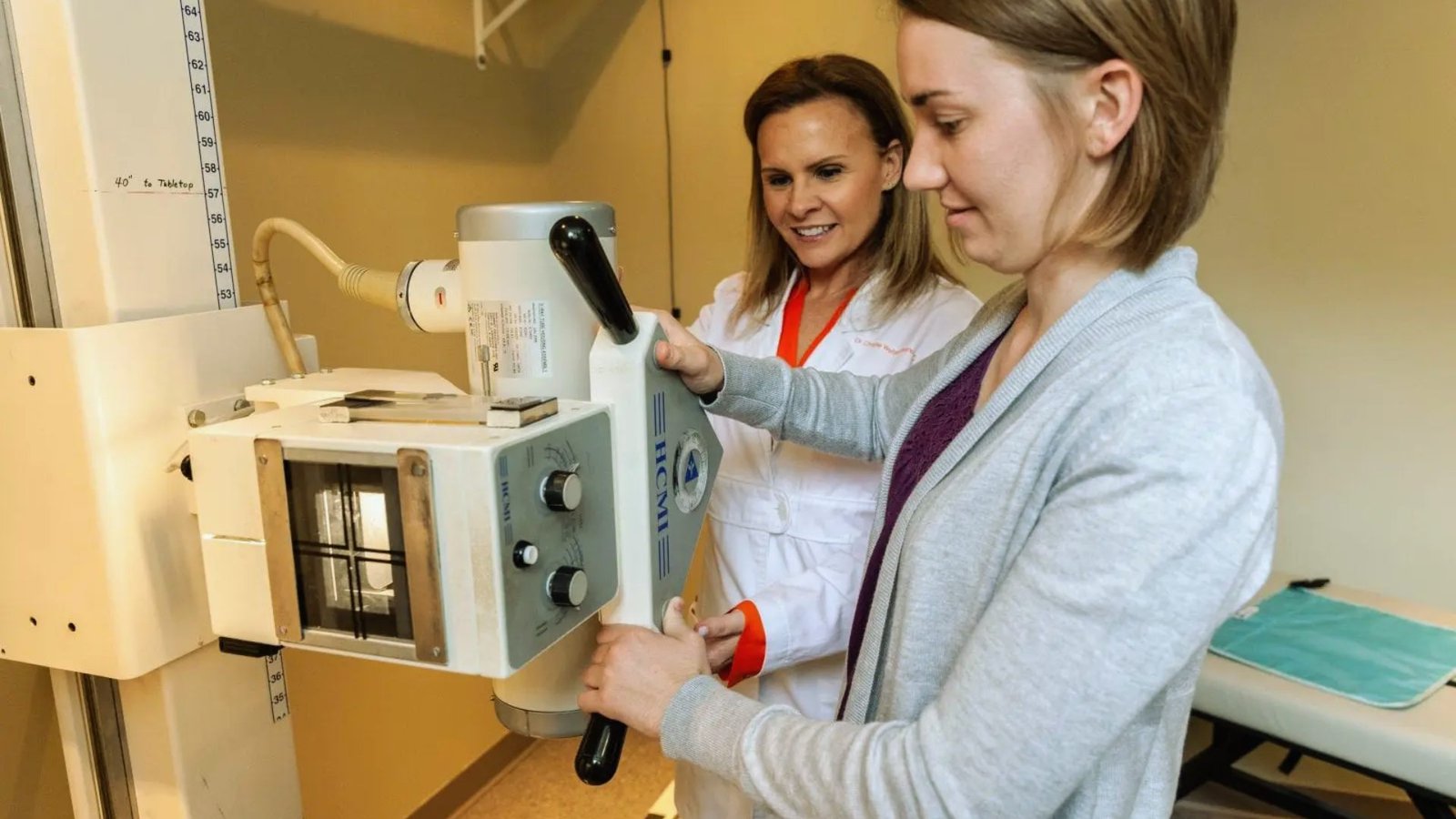
ARRT certification is the national standard, while state licensing requirements add another layer depending on where you practice.
ARRT CT Certification Requirements
Four things stand between you and the ARRT (CT) credential.
You must hold a primary ARRT credential, complete required CT clinical procedures, pass an ethics review, and pass the CT post-primary exam to earn the ARRT (CT) designation.
CT Post-Primary Certification Process
The process is straightforward once your clinical documentation is in order.
Submit your application and clinical records to ARRT. Once approved, schedule your exam through Pearson VUE. Passing grants you the ARRT (CT) credential most employers require.
State Licensing Rules and Variations
Certification qualifies you nationally, but your state may have additional requirements.
Some states accept ARRT certification alone. Others like California and New York require a separate state license. Always check your state’s specific rules before applying for positions.
Skills You Need to Succeed as a CT Technologist

Technical knowledge, strong patient communication, and a sharp eye for detail are what separate good CT techs from great ones.
Technical and Imaging Skills
Strong technical skills are the backbone of every accurate, high-quality scan.
CT techs must understand scanner operation, imaging protocols, contrast media, and cross-sectional anatomy. Continuing education keeps these skills current as technology advances.
Patient Care and Communication Skills
How you treat patients is just as important as how well you operate the equipment.
Many patients are anxious or in pain. Clear, calm communication before and during scans improves patient cooperation and makes the entire experience smoother for everyone involved.
Attention to Detail and Radiation Safety
One small error can compromise an entire scan and increase patient radiation exposure.
Positioning mistakes and improper settings lead to poor images and repeat scans. CT techs follow ALARA principles to keep radiation exposure as low as reasonably possible every single time.
CT Tech Salary and Job Outlook

CT tech salaries are competitive and backed by consistent demand across hospitals and imaging centers nationwide.
Average CT Tech Salary by State
Salaries vary widely by location. Here’s a current snapshot
California: $95,000 to $115,000
New York: $85,000 to $105,000
Massachusetts: $80,000 to $98,000
Colorado: $68,000 to $82,000
Texas: $65,000 to $80,000
Michigan: $62,000 to $76,000
Florida: $60,000 to $75,000
Ohio: $60,000 to $72,000
Factors That Affect CT Tech Pay
Several variables determine where your salary falls within the range.
Experience, additional certifications, work setting, and region all impact your rate.
Travel CT positions often offer premium pay plus housing allowances, making them a popular choice for those looking to maximize earnings.
Job Outlook and Future Demand
The long-term outlook for CT techs remains steady and reliable.
The BLS projects around 6% growth through 2032 for radiologic and MRI technologists.
An aging population and rising use of diagnostic imaging continue to drive consistent demand across the country.
Tips to Become a CT Tech Faster and Successfully
Smart early decisions save you time, money, and stress on the path to certification.
- Only enroll in JRCERT-accredited programs. Non-accredited degrees make you ineligible for the ARRT exam entirely.
- Start logging CT clinical procedures as early as possible. Clinical hours are the most common bottleneck in the certification process.
- Study using ARRT’s official content outline and focus on high-yield topics like image production, patient safety, and CT procedures.
- Look into CT certificate programs if you’re already an RT. They’re faster, focused, and skip the full degree process.
- Check your state’s licensing requirements before applying for jobs. Missing a state license can delay your start date significantly.
Conclusion
If you’ve read this far, you’re already ahead of most people.
Honestly, I think becoming a CT tech is one of the smartest moves in healthcare right now. Stable work, real pay, and a job that genuinely matters.
I hope this guide gave you the clarity you were looking for.
Now take that next step, research a program, reach out to a school, or just keep learning. If you have questions, drop them in the comments. I’d love to hear where you are in the process.
Frequently Asked Questions
How to become a CT tech with no experience?
Start with an accredited radiologic technology program to earn your RT credential. Then gain hands-on CT clinical experience before applying for ARRT CT certification.
Can you become a CT tech without being an RT?
In most cases, no. The ARRT requires a primary credential, typically in radiography, before you can pursue CT post-primary certification.
How long does it take to become a CT tech?
Starting from scratch, expect four to six years. Registered RTs can often complete the CT certification process in under one year.
How to become a CT tech in California?
You’ll need ARRT CT certification plus a Fluoroscopy certification from the California Department of Public Health, which includes passing a separate state exam.
Is CT tech a good career choice in 2026?
Yes. Strong job demand, competitive salaries, and consistent growth driven by an aging population make CT tech one of the most reliable healthcare careers available.