

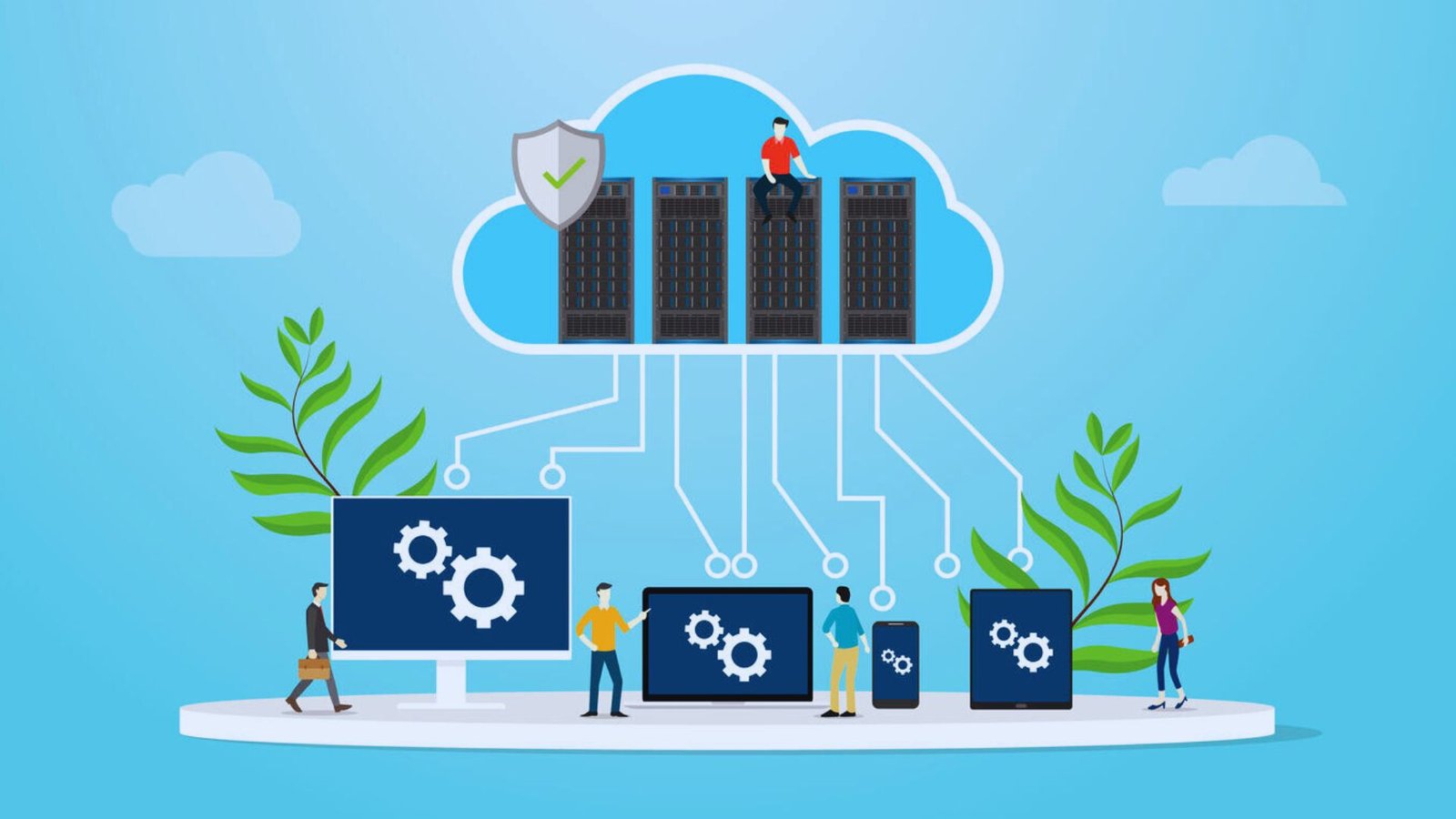
I’ve worked with businesses that struggled with slow, expensive servers, and switching to cloud made a real difference.
In this guide, I’ll walk you through the 9 key benefits of cloud databases that are helping companies cut costs, improve speed, and stay secure.
You’ll also see how cloud stacks up against local hosting, what it means for businesses in the USA, and how to get the most value from it.
By the end, you’ll know exactly what to expect and whether it’s the right move for your business.
Understanding the Benefits of Cloud Database

A cloud database runs on remote servers managed by a provider. You access it through the internet. There is no need to buy hardware or manage physical storage. The provider handles most of the technical work, which frees up your team to focus on growth instead of maintenance.
On-premise systems live in your office or data center. You own the hardware. You pay for it upfront and fix it when it breaks. Cloud databases work differently. You pay as you use. Scaling up takes minutes, not months. Updates happen automatically. The difference in flexibility is hard to ignore.
Businesses want speed. They want lower costs. They want systems that work no matter where their team is located. Cloud databases offer all three. That is why adoption is growing fast across industries, from small startups to large enterprises.
Core Concepts and Functionality of a Cloud Database

A clear breakdown of how cloud databases are built and what they actually do behind the scenes.
Core Concepts
A cloud database runs on remote servers hosted by a third-party provider. Instead of storing data on a physical machine in your office, everything lives online. Virtualization allows multiple users to share the same infrastructure without interfering with each other.
Resource pooling means computing power and storage are shared efficiently across the platform. If your needs grow, the system scales up automatically without any manual work on your end.
High availability is built in through distributed architecture, meaning your data is spread across multiple locations so there is no single point of failure.
Core Functionality
Cloud databases handle both structured data like spreadsheets and tables, and unstructured data like images or documents. They support SQL for traditional relational queries and NoSQL for more flexible data models.
Scaling happens automatically based on demand, so you never have to worry about running out of space or processing power. Built-in backup and replication keep your data safe and recoverable at all times. Security features like encryption and access control protect your information from unauthorized use.
Monitoring tools give you a real-time view of performance, helping you spot issues and fix them before they affect your users.
9 Key Benefits of Cloud Database for Businesses
Here’s a breakdown of the most valuable reasons businesses are making the switch.
1. Scalability and Elastic Growth

Your data needs to change. Some months are busier than others. With a cloud database, you can scale up during high traffic and scale back down when things slow.
You only pay for what you use. This kind of flexibility is hard to match with physical servers.
2. Cost Efficiency and Reduced Infrastructure Expenses

Buying servers is expensive. Maintaining them costs even more. Cloud databases remove most of that. You pay a monthly or usage-based fee.
No surprise hardware bills. No need to hire a full IT team just to keep things running. For small and mid-sized businesses, this is a big deal.
3. High Availability and Reliability
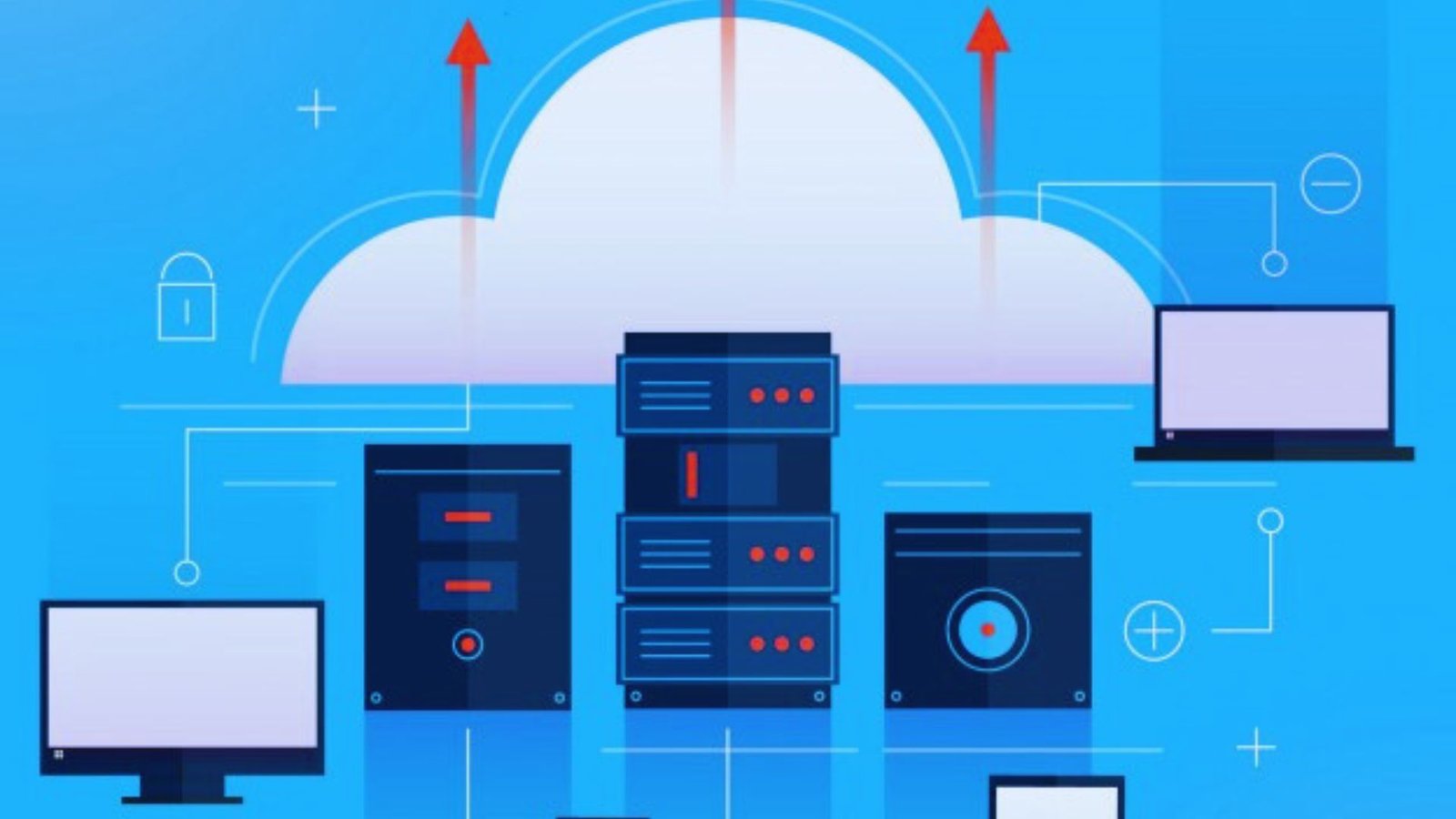
Most cloud providers offer 99.9% uptime guarantees. Your database stays online even during maintenance.
Providers use multiple data centers to keep things running smoothly. Downtime costs money – cloud databases help prevent that.
4. Enhanced Data Security and Compliance

Reputable cloud providers invest heavily in security. They offer
- Encryption at rest and in transit
- Multi-factor authentication
- Automated threat detection
- Regular security audits
They also help businesses meet compliance standards like HIPAA, GDPR, and SOC 2. That’s hard to do on your own.
5. Faster Deployment and Easy Setup

Setting up a traditional database can take weeks. A cloud database can be live in hours. Most platforms have guided setups.
You don’t need deep technical knowledge to get started. This speed helps businesses move faster and launch products sooner.
6. Global Accessibility and Remote Access

Your team can access data from anywhere in the world. All they need is an internet connection. This matters more than ever as remote work becomes the norm.
Cloud databases make it easy for distributed teams to stay in sync.
7. Automatic Updates and Maintenance

Forget manually applying patches. Cloud providers handle updates automatically. Your database stays current without any downtime on your end.
This means fewer security gaps and better performance without extra effort from your team.
8. Performance Optimization and Monitoring
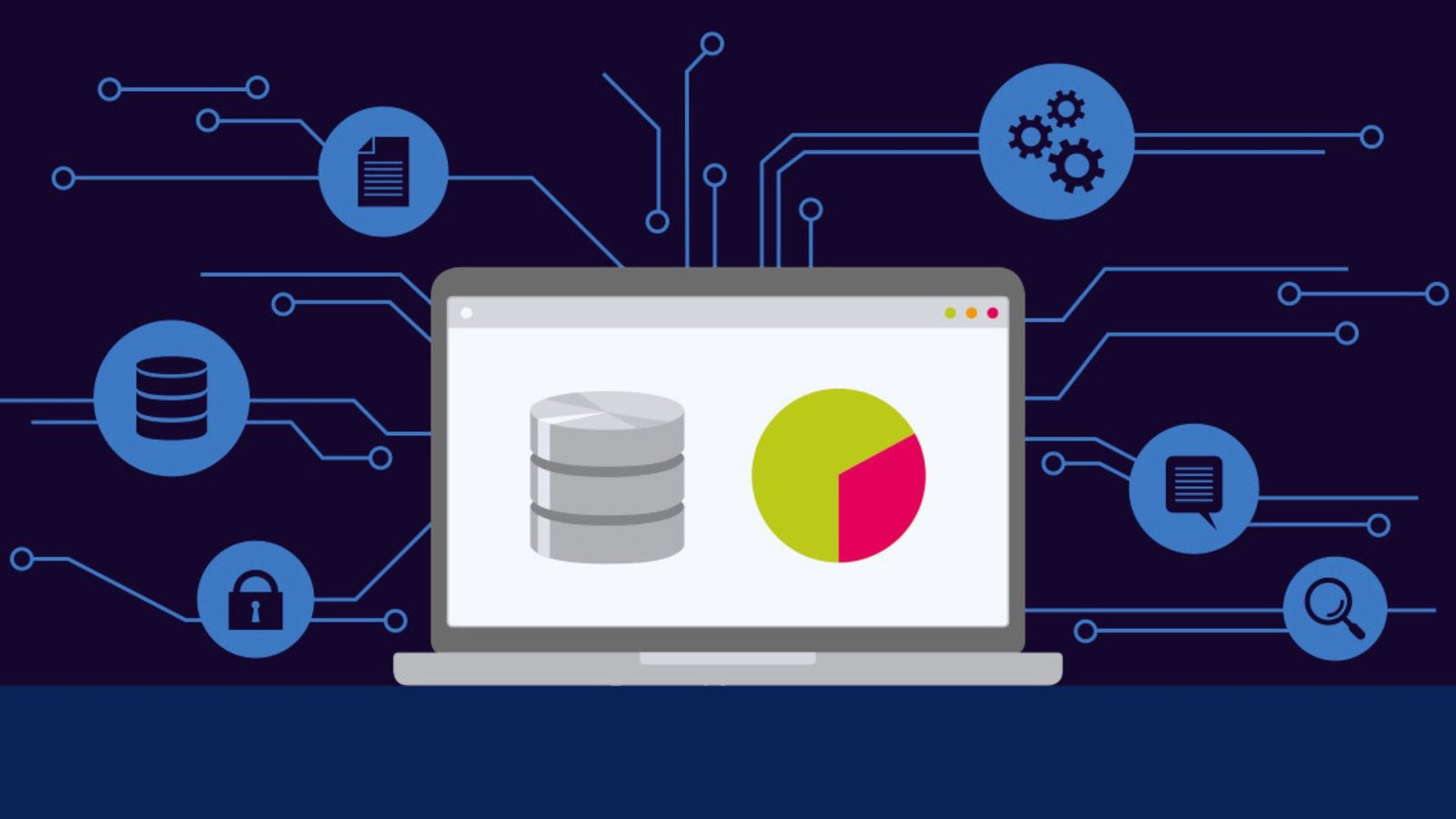
Most cloud databases include built-in monitoring tools. You can track query performance, storage use, and traffic patterns in real time.
Many platforms also offer automatic performance tuning. This helps you spot problems before they affect users.
9. Disaster Recovery and Business Continuity
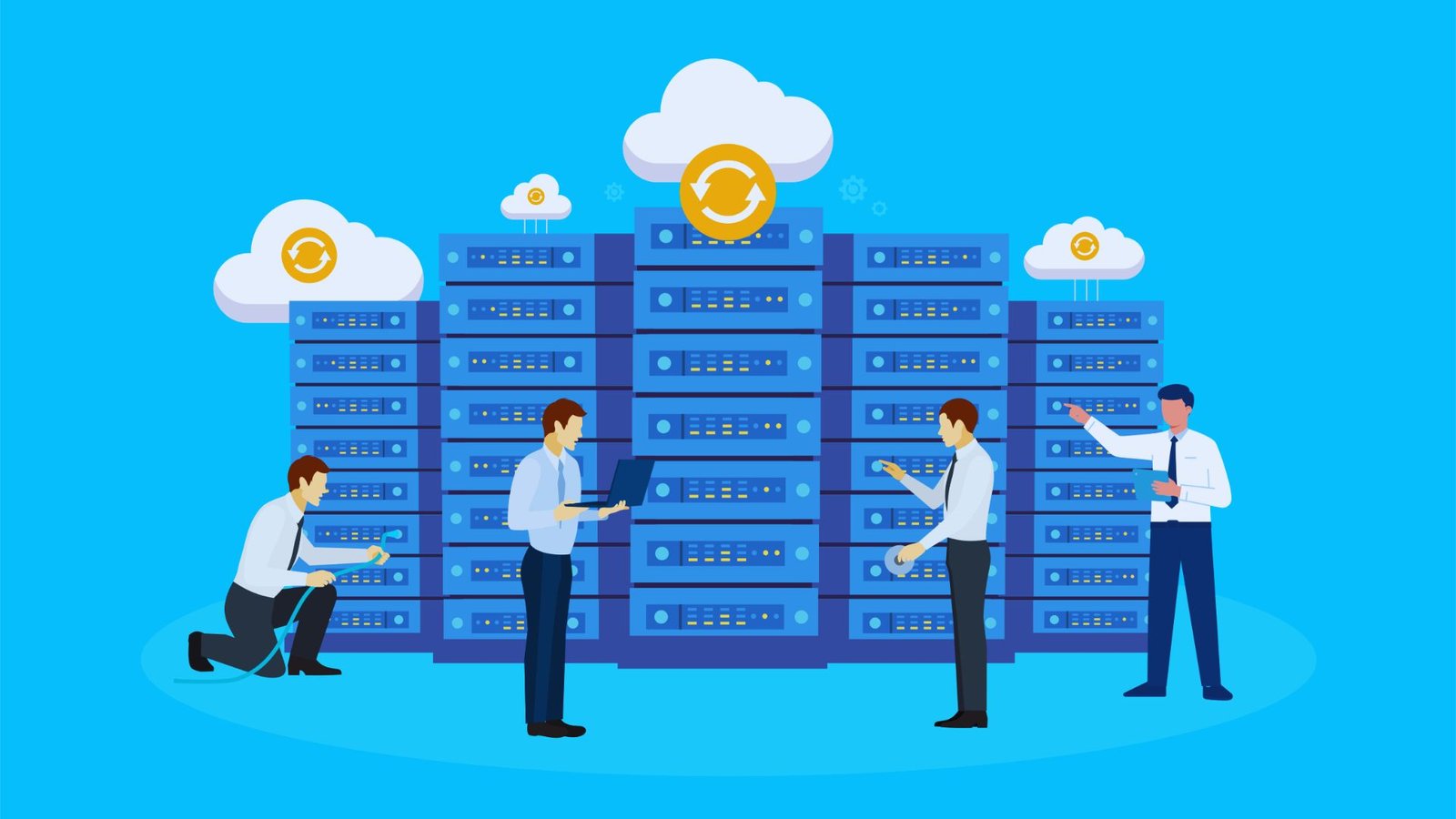
Data loss can shut down a business. Cloud databases include automated backups. Many providers store copies in multiple locations.
If something goes wrong, recovery is fast. You can get back to normal without losing critical information.
Benefits of Cloud Database Services for Growing Companies

How cloud database services specifically help businesses that are scaling up.
Advantages of Database-as-a-Service (DBaaS)
DBaaS means the provider manages the database for you. You use it without worrying about the backend. This is ideal for companies that want powerful databases without a large IT team.
Reduced IT Management Burden
Your IT staff can focus on building products instead of managing servers. Cloud databases take routine tasks off their plate freeing them for work that actually moves the business forward.
Flexible Subscription Models
You can start small and grow. Most providers offer plans for every stage — from early startups to large enterprises. You’re never locked into more than you need.
Enterprise-Grade Capabilities for SMBs
Small businesses now have access to the same database tools used by large corporations. Automatic scaling, advanced security, and global reach — all available at affordable prices through cloud platforms.
Tips to Maximize the Benefits of Cloud Database

Practical steps to help you get the most value from your cloud database.
- Choose the Right Database Type Relational databases like MySQL work well for structured data, while non-relational ones like MongoDB suit flexible or large-scale needs. Pick the wrong type and performance will suffer.
- Plan Your Data Migration Test the migration process before going live. Back up everything first and lean on your provider’s support team if something feels unclear.
- Set Strong Access Controls Limit database access to only those who need it. Use role-based permissions, enable multi-factor authentication, and remove old users regularly.
- Monitor Performance Consistently Use built-in tools to track resource usage and query speed. Set alerts for anything unusual so you can catch problems early.
- Review and Optimize Costs Monthly Scale down resources you are not actively using. Small adjustments each month can lead to noticeable savings over time.
- Build a Disaster Recovery Plan Know how long recovery takes and test your backup restoration at least once a year. Do not wait for a crisis to find out if your plan actually works.
Conclusion
I’ll be honest. When I first looked into cloud databases, I wasn’t sure if the switch was worth it. But the more I saw how much time and money businesses saved, the clearer it became. The benefits of cloud databases are real, practical, and available to companies of every size.
If you’re still relying on local servers, now is a good time to reconsider.
Have questions or thoughts? Drop them in the comments below. I’d love to hear what you’re working with and help you figure out the best path forward.
Frequently Asked Questions
What is the main benefit of using a cloud database?
The biggest advantage is flexibility. You can scale storage and performance up or down based on your needs without buying new hardware.
Is a cloud database safe for sensitive business data?
Yes. Reputable providers use strong encryption, access controls, and regular security audits to keep your data protected and compliant.
How much does a cloud database cost compared to local hosting?
Cloud databases typically cost less over time. You avoid upfront hardware costs and only pay for the resources you actually use each month.
Can small businesses use cloud databases effectively?
Absolutely. Cloud databases are built to work for businesses of all sizes. Most providers offer affordable plans designed specifically for startups and small teams.
What happens to my data if the cloud provider has an outage?
Most providers store backups across multiple data centers. Even during an outage, your data is protected and recovery is typically fast and automatic.